
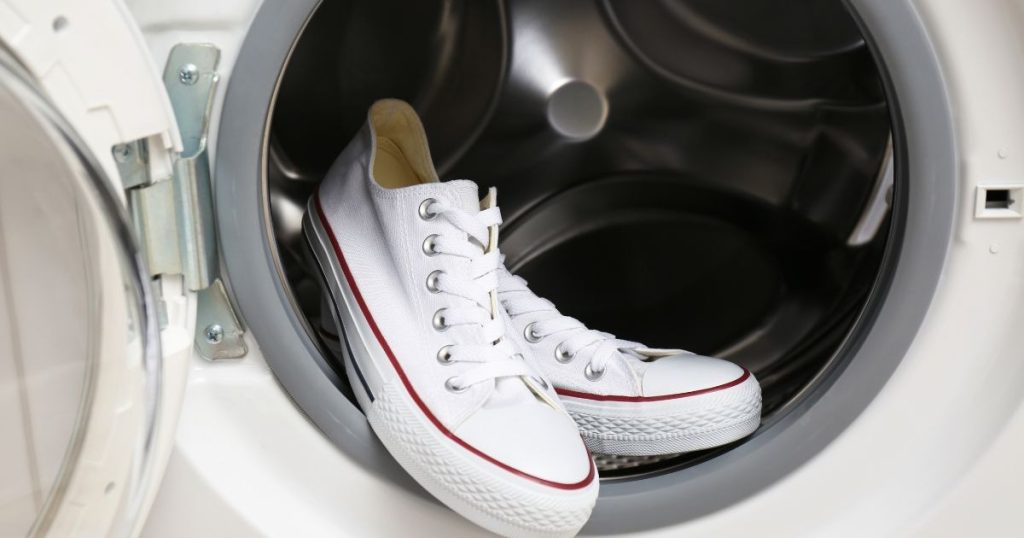
Washing shoes can seem risky—especially when you’re worried about damaging your washing machine or ruining your favorite pair of shoes. The good news is, yes, you can wash shoes in the washing machine, and using a pillowcase is one of the safest and most effective methods.
In this guide, you’ll learn how to wash shoes in washing machine with pillow case, step by step. We’ll also cover which shoes are safe to wash, common mistakes you should avoid, and expert tips for keeping both your shoes and your washing machine in tip-top condition.
When washing shoes in a washing machine, selecting the wrong settings can cause more damage than the washing process itself. Many people guess the cycle, water temperature, or spin speed, which often leads to distorted shoes or washer imbalance. This is where the Washely Laundry mode selector tool becomes especially useful. Instead of experimenting, you can use the Washely tool to get shoe-safe washing recommendations based on your washing machine type. Select shoes as the item you want to wash, and the tool will suggest the ideal gentle cycle, cold water temperature, and low spin speed. When combined with the pillow case method, this ensures your shoes are cleaned effectively while staying protected throughout the wash.
The reason pillowcases work so well is simple. Shoes are hard, uneven, and heavy, and when they move freely inside the washing machine, they hit the drum aggressively. This causes noise, imbalance, and potential damage to both the shoes and the washing machine. A pillowcase acts as a protective barrier, cushioning the movement and keeping the shoes in place. Laundry experts generally recommend this method because it balances safety with cleanliness, which most quick online tips don’t explain well.
Before learning how to wash shoes in a washing machine with a pillowcase, it’s important to understand which shoes are safe to wash in the washing machine. Fabric-based shoes, such as canvas sneakers, running shoes, athletic trainers, and most children’s shoes, can usually be washed in a washing machine without any problems. Shoes made of mesh or fabric materials respond well to a gentle wash cycle. On the other hand, leather shoes, suede shoes, dress shoes, heavy boots, and shoes with adhesive decorations should never be washed in a washing machine. Water and tension can permanently damage these materials, no matter how careful you are.
Preparation plays a crucial role in washing shoes. Many people skip this step, resulting in poor results or damage to the shoes. Remove the shoelaces and insoles. Shoelaces can be washed separately or placed inside the same pillowcase, but insoles should be cleaned by hand. Insoles often contain foam that can break down in the washing machine. After removing the shoes, brush off any loose dirt from the shoes. If the shoes are muddy, use a soft brush or an old toothbrush to remove dried mud and debris. This step prevents dirt from spreading inside the washing machine and improves the final cleaning result.
Once your shoes are pre-cleaned, place them together inside a pillowcase. Thick pillowcases work best, especially ones with a zipper. If your pillowcase doesn’t have a zipper, tie the open end tightly so the shoes don’t slip out during the wash. This step is essential because loose shoes inside the washer are a major cause of damage and loud clacking noises. The pillowcase keeps everything under control during the wash.
Adding old towels to the washing machine is another important step that many competing guides overlook. Placing two or three old towels inside the washer helps balance the load and add extra cushioning. The towels work together with the pillowcase to reduce impact, prevent vibration, and protect the washing machine drum. This is especially important for front-load washing machines, which are more susceptible to unbalanced loads.
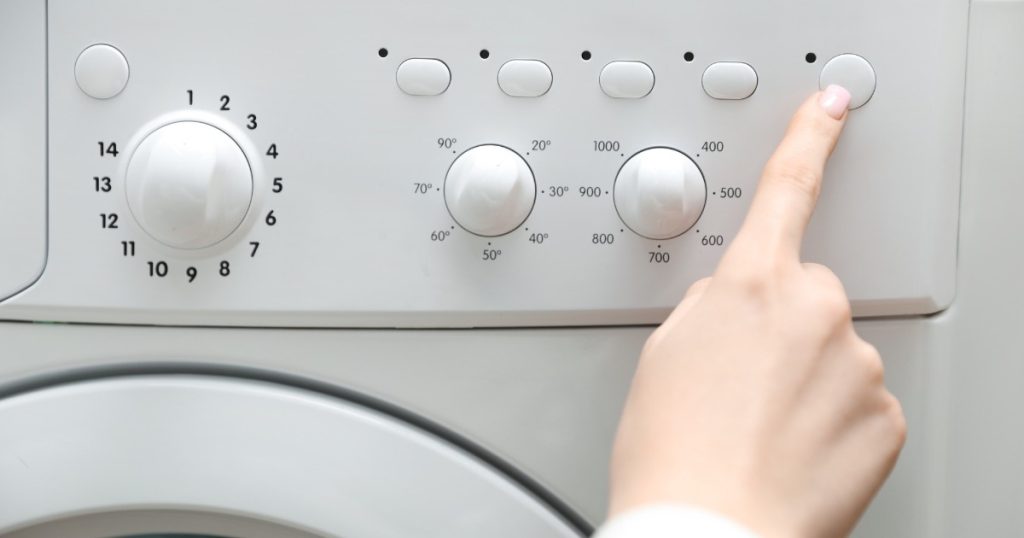
Choosing the right washing machine settings can make the difference between cleaning your shoes or ruining them. Always use cold water, as hot water can shrink fabrics, fade colors, and weaken the glue that holds your shoes together. Select a gentle or delicate cycle to minimize movement. A low spin setting is ideal, as high spin speeds can distort the shape of your shoes. Avoid heavy or fast wash cycles altogether, as these are too aggressive for your shoes.
The choice of detergent is also more important than most people realize. Use a mild liquid detergent and use a small amount, usually about half of what you would use for a normal laundry load. Powdered detergent may not dissolve completely and can leave a residue on shoes. Bleach should never be used, as it damages fabrics and causes discoloration. If odor is a concern, baking soda or white vinegar can be used separately to neutralize the odor. Baking soda helps absorb odors, while vinegar breaks down bacteria, but they should never be mixed.
Once everything is in place, start the wash cycle and let it run completely. Resist the urge to stop the machine halfway to check on progress, as this can cause imbalance problems. Modern washing machines are designed to handle delicate loads efficiently if properly prepared. When the cycle is finished, remove the shoes immediately to avoid moisture buildup and unpleasant odors.
Drying shoes properly is just as important as washing them. One of the most common and damaging mistakes people make is putting shoes in the dryer. Heat can warp the soles of shoes, shrink fabrics, and loosen adhesives, permanently damaging the shoes. Instead, let your shoes air dry naturally. Stuffing your shoes with paper towels or newspaper helps them hold their shape and speeds up the drying process by absorbing moisture. Keep your shoes in a well-ventilated room away from direct sunlight and heat sources. Depending on the humidity, it can take 24 to 48 hours for your shoes to dry completely.
A common concern among users is can washing shoes in a washing machine damage the machine? The answer is yes, if done incorrectly. Loose shoes without protection can hit the drum, putting stress on internal components and causing imbalances. However, when using pillowcases, towels, and gentle settings, the risk is minimal. This method is widely used in the United States and is considered safe for modern washing machines when followed correctly.
Shoes should not be washed too often in the washing machine. Overwashing weakens the fabric fibers and shortens the life of the shoes. Athletic shoes usually need to be washed once every one to two months, while casual sneakers can be washed once every two to three months. Children’s shoes may need to be washed more frequently due to heavy use. Washing shoes only when necessary helps maintain their shape and comfort.
Many people ask if it is safe to wash clothes and shoes together. This is never recommended because shoes carry more dirt and bacteria than clothes and can transfer dirt to clothes. Shoes should always be washed separately to maintain hygiene and protect clothing items.
Overall, washing shoes in a washing machine with a pillowcase is a practical, affordable, and effective method, if done correctly. It protects your shoes, keeps your washing machine safe, and provides reliable cleaning results. Unlike the quick tips you find online, this method focuses on preparation, the right settings, and proper drying, which are the real keys to success. If you follow these steps carefully, you can confidently clean your shoes at home without unnecessary risks.
For those looking for a way to wash shoes in a washing machine with a pillowcase, this method offers a balanced solution that combines convenience with care. Cleaning clean shoes doesn’t require expensive services or purchasing replacements, just the right methods and a little patience. With proper care, your shoes will last longer, look better, and be more comfortable with every wear.