
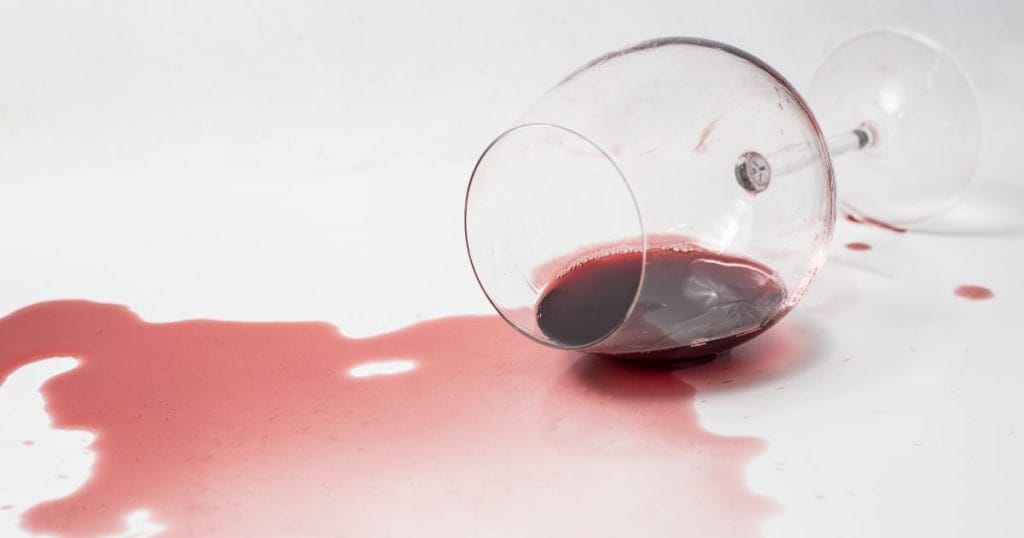
Dried red wine stain removal is one of the most annoying laundry problems—especially when they dry on clothes. Whether it’s your favorite shirt, dinner tablecloth, or furniture that’s been splashed, removing dried red wine stains can seem impossible at first. But with the right knowledge and techniques, you can lift even old, stubborn stains.
This guide provides you with tested methods, science-based advice, and smart laundry techniques to completely remove dried red wine stains.
Why Red Wine Stains Are So Tough
Red wine contains tannins, chromogens, and natural pigments that bind quickly to fabric fibers, especially cotton, linen, and wool. Once the stain dries and sets, it undergoes a chemical bond with the material, making it more difficult to remove once it has spread.
Knowing this will help you understand why timing and technique are so important when it comes to removing dry red wine stains.
First Things First: Do These Before Anything Else
1. Blot, Don’t Rub
Whenever you notice a stain, gently blot it with a clean white cloth to absorb the liquid, not to spread it. Avoid rubbing, as this can push the wine deeper into the fabric fibers and make the stain more permanent and worse.
2. Cold Water Rinse
If possible, run cold water through the back of the stained area. Hot water can set the stain permanently; cold water helps to rinse out the wine dyes before further processing.
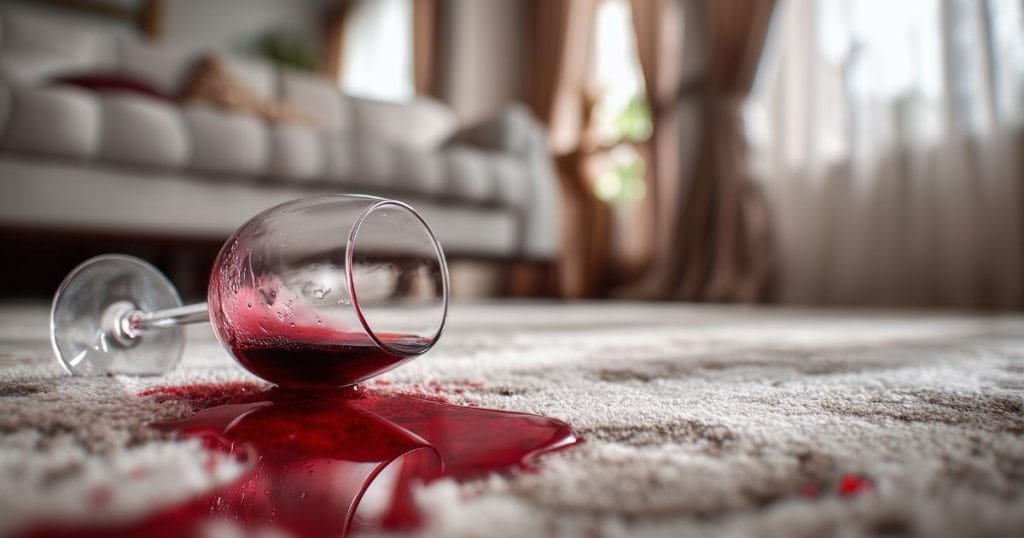
Best Methods for Dried Red Wine Stain Removal
Here are proven ways to tackle dried stains, organized from least aggressive to strongest.
Method 1: Baking Soda Paste (Natural & Effective)
Baking soda is one of the most recommended methods for removing dried red wine stains. It absorbs the pigment and lifts the stain from the fabric.
- Rinse the stained area with cold water to loosen the residue.
- Mix 3 parts baking soda + 1 part water to make a thick paste.
- Spread the paste over the stain.
- Leave it until completely dry (30 minutes to overnight).
- Brush thoroughly.
- Wash the garment as usual with plenty of water.
This method shines for cotton, linens, and machine-washable fabrics.
Method 2: White Vinegar + Laundry Detergent
White vinegar can help neutralize and break down wine pigments. Combining it with laundry detergent increases its cleaning effect.
- Pour white vinegar directly over the stained area.
- Immediately add a few drops of liquid laundry detergent.
- Gently work the mixture in.
- Wash with cold water following garment care instructions.
This combined method is especially useful for persistent, older stains.
Method 3: Hydrogen Peroxide + Dish Soap (For Stubborn Stains)
When the stain is deep-set, and baking soda or vinegar isn’t enough, hydrogen peroxide and dish soap can be used as a powerful alternative. Remember: Hydrogen peroxide can act like a bleaching agent on colored fabrics, so always test a spot first.
- Mix equal amounts of hydrogen peroxide and dish detergent.
- Apply the stain and wait 10-15 minutes.
- Wash normally with cold water.
Best on white or colorfast fabrics.
Method 4: Club Soda for Lifting Stains
The carbonation of club soda helps lift wine stains from clothes when used primarily or in conjunction with other treatments.
- Pour club soda over the stain.
- Blot repeatedly with a clean cloth.
- Repeat until the stain fades.
- Follow up with another treatment above if necessary.
Method 5: Commercial Oxygen Cleaners (OxiClean & Similar)
Oxygen-based cleaners work well for stubborn dried stains because they release oxygen bubbles that attack the wine pigments.
- Prepare a soak solution with an oxygen cleaner according to label instructions.
- Soak the stained garment for 6 hours or overnight.
- Launder as usual.
Oxygen cleaners are generally safer than chlorine bleaches and are suitable for many fabrics.
What to Avoid
Not all home remedies are helpful — and some can make stains worse:
- Rubbing or scrubbing harshly: This pushes the stain deeper.
- Heat too soon: Hot water or dryers can set stains permanently.
- Harsh bleach on colored fabrics: Bleach can remove dyes along with stains, leaving discoloration.
Fabric-Specific Tips
Cotton & Linen
These fabrics absorb liquid quickly. Start with baking soda or vinegar-based treatments before moving to stronger methods.
Delicates (Silk, Wool)
Gentle methods work best — washing in cold water and using a mild detergent. For tough stains, consider professional cleaning.
Upholstery & Carpets
Use cleaning solutions gently with a blotting motion. Always test in an inconspicuous area first.
How Your Laundry Mode Selector Can Help
Choosing the right washer mode and settings is crucial after you’ve pre-treated a dried wine stain. Our Laundry Mode Selector tool simplifies this process. Based on your fabric type and stain type, it recommends the ideal wash cycle, water temperature, and products — reducing trial-and-error and protecting your clothes.
Get tailored wash settings that help eliminate dried stains without damaging your garments.
Quick FAQ: Dried Red Wine Stain Removal
Can a dried wine stain ever come out completely?
Many times, yes — especially with the right method. But if the stain has been set for a long time or heat was applied, it may not disappear fully without professional help.
Should I use white wine to fix red wine stains?
That’s a popular myth. White wine may dilute fresh stains, but it doesn’t actively remove them, especially once dried.
Is salt good for dried stains?
Salt absorbs fresh spills best. For dried stains, it’s less effective on its own.