

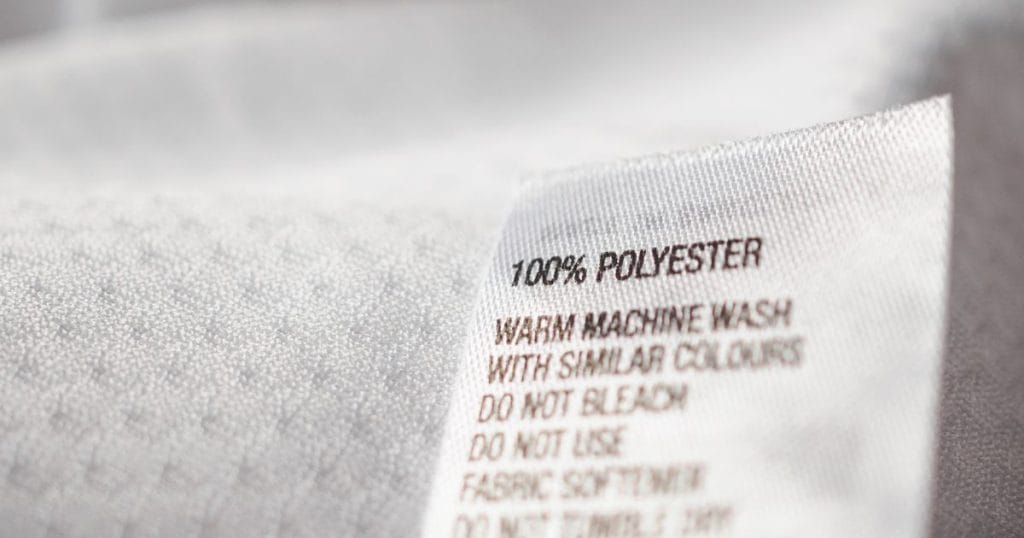
Washing polyester on a safe washing machine setting, the best wash cycle for polyester, does polyester shrink in a washing machine, and why does polyester smell after washing are some of the things that most people confuse with misconceptions. Polyester is marketed as durable, wrinkle-resistant, and easy to care for. Yet many people unknowingly damage polyester clothing by using the wrong washing machine settings.
Understanding the correct washing machine settings for polyester is essential if you want to stop fading, prevent fabric breakage, reduce odor retention, and extend the life of your clothing. This guide goes deeper than just general advice and explains the science, safe settings, brand differences, and common mistakes that competitors often overlook.
Understanding Polyester Fabric Before You Wash It
Polyester is a synthetic fiber made from petroleum-based polymers. Unlike natural fibers like cotton or wool, polyester doesn’t absorb water easily. It wicks away moisture, dries quickly, and resists shrinkage better than many fabrics.
But here’s what most basic guidelines fail to explain: Polyester is heat-sensitive. While it resists water shrinkage, high temperatures weaken its structure. Over time, repeated exposure to hot water and high dryer heat can cause fiber brittleness, fading, and loss of elasticity, especially in blended fabrics like polyester-spandex activewear.
That’s why choosing the right washing machine cycle for polyester is more about temperature and spin balance than durability.
Does Polyester Shrink in the Washing Machine?
Does polyester shrink in the washing machine? Polyester doesn’t shrink as easily as cotton, but it can shrink at high heat. The real danger isn’t dramatic size loss – it’s gradual fiber damage. Excess heat softens synthetic fibers. When they cool, they can stiffen into distorted shapes.
This is especially common when using hot water with a high spin speed and tumble drying. Cold washing dramatically reduces this risk.
Washing Polyester in Washing Machine
For most polyester garments, the safest washing machine settings are:
- Cycle: Normal or Permanent Press
- Temperature: Cold
- Spin Speed: Medium (800–1000 RPM)
- Soil Level: Based on dirt, not habit
Cold water protects synthetic fibers from thermal stress. Medium spin efficiently removes moisture without overstretching the stitches. Avoid heavy duty mode unless the garment is extremely dirty and structurally thick.
Why Cold Water Is Best for Polyester
Polyester fibers maintain structural integrity best at lower temperatures. Cold washing:
- Prevents fiber softening
- Reduces color fading
- Preserves elasticity in blended fabrics
- Minimizes static buildup
Many modern washers from brands such as LG Electronics, Samsung Electronics, Whirlpool Corporation, and Bosch offer cold-optimized cycles that clean effectively without the stress of heat. If your washer has a cold wash or eco cold mode, polyester responds very well to these settings.
Spin Speed and Polyester: The Hidden Factor
Most people focus only on temperature. But spin speed matters.
- Low Spin (400–600 RPM):
- Good for delicate polyester or lightweight blouses.
- Medium Spin (800–1000 RPM):
- Ideal for everyday polyester clothing and activewear.
- High Spin (1200+ RPM):
- Safe for thick synthetic bedding, but can stress lightweight seams.
High spin doesn’t usually shrink polyester, but it can cause seam twisting and fabric distortion over time.
Washing Polyester Blends
Polyester is often blended with:
- Cotton
- Spandex (Elastane)
- Rayon
- Viscose
Each blend changes washing behavior.
Polyester + Spandex (Activewear)
Cold wash is mandatory. Heat weakens stretch fibers. Medium or low spin recommended.
Polyester + Cotton
Treat based on the dominant fiber. Cold wash is still safest to prevent cotton shrinkage and synthetic damage.
Polyester + Rayon
Rayon is more fragile. Use the gentle cycle.

Why Polyester Holds Odor After Washing
Why does polyester smell after washing? Polyester traps body oils because it repels water. Regular detergents may not completely remove oily buildup. Solution:
- Use adequate detergent (not excessive)
- Avoid fabric softener (it traps odor)
- Wash inside out
- Avoid overcrowding
Cold water works fine if the detergent penetrates properly.
Permanent Press vs Normal Cycle for Polyester
Permanent Press cycles are often ideal for polyester because they:
- Use moderate agitation
- Include a cool-down rinse
- Reduce wrinkling
The normal cycle is also safe, but the permanent press is a little gentler and helps preserve the structure of the garment. Avoid heavy-duty for lightweight synthetic fabrics.
Common Mistakes When Washing Polyester
- Using hot water routinely.
- Overusing Heavy Duty cycle.
- Overdrying in high heat dryer.
- Using too much detergent.
- Overloading the drum.
Polyester does not require aggressive washing. Overwashing shortens lifespan.
Can You Use Eco Mode for Polyester?
Yes. Eco modes typically use lower temperatures and longer wash times. Polyester tolerates longer wash periods well, provided the agitation is moderate. Eco Cold is one of the safest options for everyday polyester loads.
Drying Polyester Without Damage
Dryer heat is often more damaging than washing. Best practice:
- Tumble dry low heat
- Remove slightly damp
- Air finish
High heat drying can cause fiber glazing—where the fabric surface becomes shiny and stiff. Air drying preserves elasticity and color vibrancy.
Polyester vs Cotton vs Wool: Washing Differences
Polyester withstands mechanical stress better than wool but is more heat-sensitive than cotton in terms of long-term durability.
- Cotton shrinks from water and heat.
- Wool felts from agitation.
- Polyester weakens from thermal stress.
That’s why cold wash with moderate spin is the safest universal rule.
How Often Should You Wash Polyester?
Polyester dries quickly and resists wrinkling, so additional washing is unnecessary. Activewear may need frequent washing, but casual polyester clothing should be aired out between wears. Fewer washings result in longer life.
Front Load vs Top Load for Polyester
Front-load washers use a tumbling action and are generally gentler on fabrics. Top-load agitators create more friction. If using a top-load washer, reduce the intensity of the soiling layer and avoid overfilling.
Color Protection for Polyester
Dark polyester can fade under high heat. To preserve color:
- Wash inside out
- Use cold water
- Separate lights and darks
- Avoid excessive spin
Color fading is usually heat-related, not water-related.
Can Polyester Be Washed with Other Fabrics?
Yes, but avoid mixing with lint-producing fabrics like cotton towels. Polyester attracts lint due to static. Separate synthetic fabrics from heavy cotton loads if possible.
Still Unsure About the Right Settings?
Polyester types vary – sportswear, bedding, blends, lightweight blouses. Washer models also vary in cycle naming and spin options.
Instead of guessing between Normal, Permanent Press, Eco Cold, or Heavy Duty, using a structured Fabric + Mode system ensures the right settings every time.
Selecting a wash cycle based on fabric science prevents gradual fiber breakdown and extends the life of clothing.
Long-Term Polyester Care Strategy
- Cold wash by default.
- Moderate spin speed.
- Low heat drying.
- Avoid fabric softener.
- Avoid over-washing.
Polyester is durable—but durability depends on smart washing.
Wash Polyester the Right Way
Washing polyester in the washing machine – safe settings rely on three principles: low temperature, moderate agitation, and controlled spin speed.
Polyester does not require harsh cleaning. It requires balanced cleaning.
If you treat polyester like cotton and use high heat frequently, you will shorten the life of the garment. If you use it wisely, polyester can last for years without losing shape or color.
For a complete guide to cotton, wool, silk, denim, and synthetic fabrics – including brand-specific washing machine guidelines – use our laundry mode selector tool, where every wash decision will find the right setting for fabric protection and long-term wear.
