
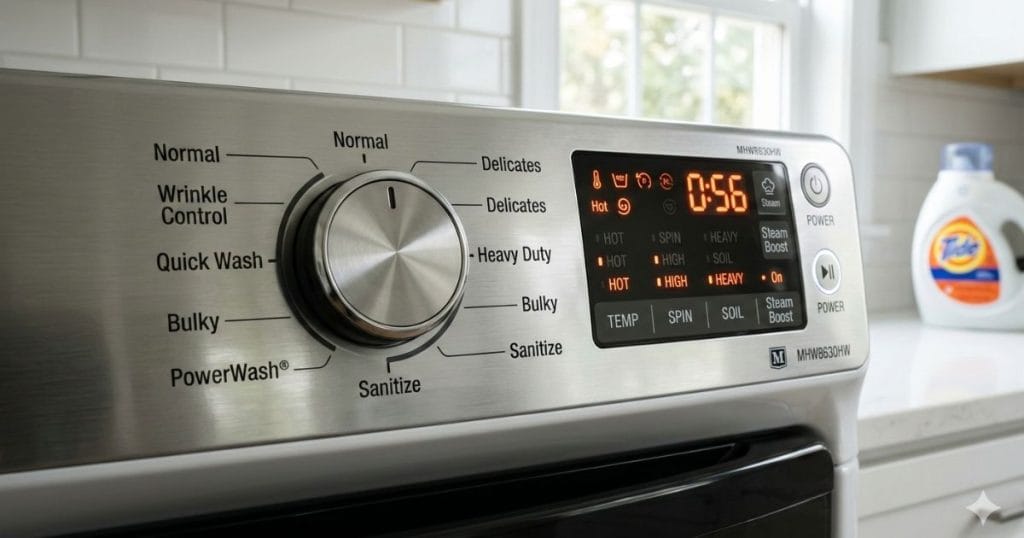
Choosing the right washing machine setting shouldn’t seem like a guessing game. Yet most households set everything to “normal” pressure and hope for the best. This approach shortens the life of clothes, increases shrinkage, and wastes energy.
Understanding each Maytag washing machine cycle makes all the difference. When you know how the power of agitation, spin speed, and water temperature work together, you can stop damaging your clothes and start washing smarter.
Maytag machines are built for durability and deep cleaning performance. But performance is entirely dependent on how you use the controls. Many competing articles simply list the cycle name without explaining what actually happens inside the drum.
This guide goes deeper. It explains the mechanics of the cycle, fabric compatibility, the science of spin speed, cotton-specific settings, and how Maytag compares to Whirlpool models.
If you want long-term fabric protection rather than short-term benefits, understanding the logic of the cycle is essential.
How a Maytag Washing Machine Cycle Actually Works
Each cycle is based on three key elements: agitation intensity, temperature profile, and spin speed. The Normal cycle balances these for everyday fabrics. Heavy Duty increases wash time and mechanical action. Delicates reduces agitation and spin to protect fibers. Wrinkle Control reduces temperature and modifies final spin to reduce wrinkling.
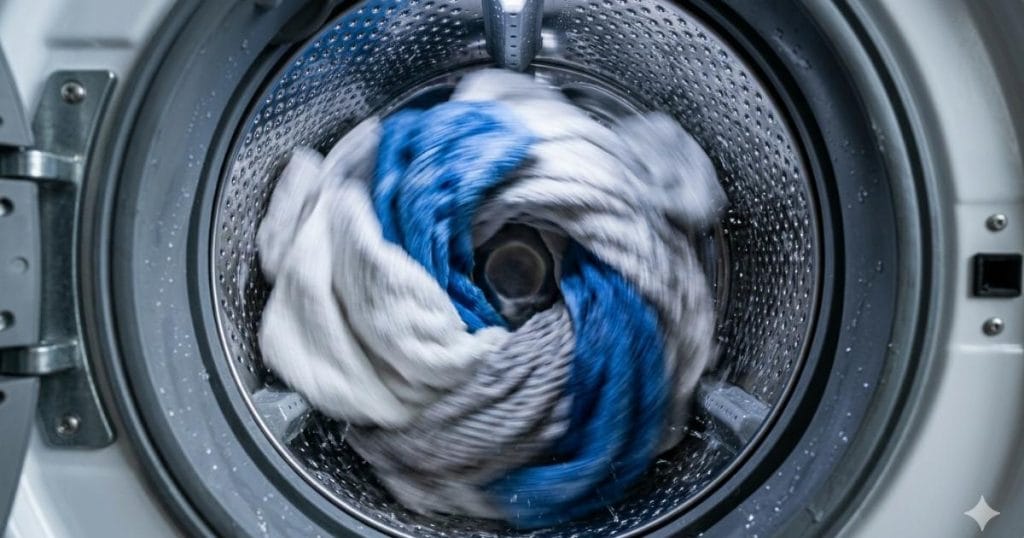
Most people think the only difference between cycles is time. This is partially correct, but not entirely. The big difference is in the drum movement pattern and final spin RPM. Higher RPM removes more water but adds mechanical stress. Lower RPM protects fibers but makes clothes soggy.
Understanding this mechanical relationship is the foundation for mastering any Maytag washing machine cycle.
Use the Laundry Mode Selector Tool
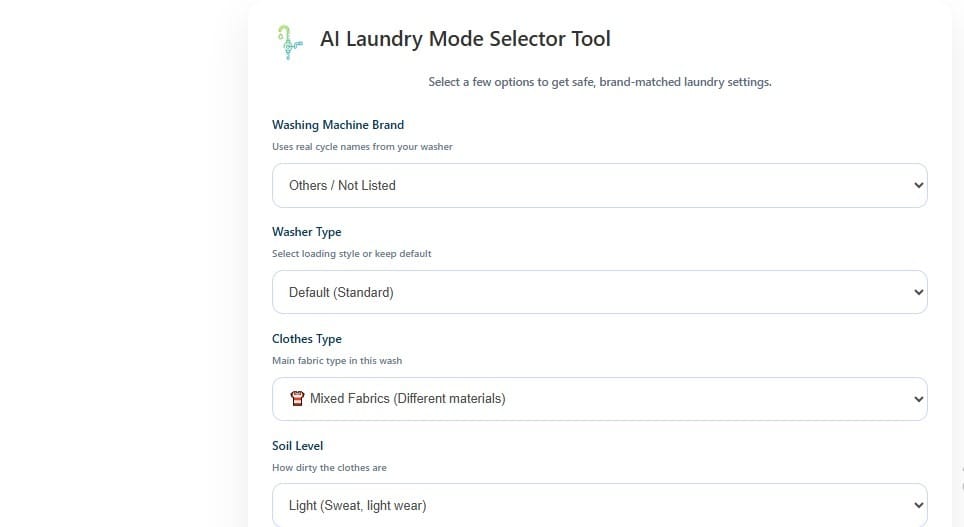
Your Laundry Mode Selector tool makes decision-making easier by asking users about fabric type, soil level, color category, and load size. Based on these inputs, it recommends the ideal Maytag cycle, temperature, and spin combination. This eliminates the guesswork and prevents damage to common fabrics.
Instead of memorizing complex cycle logic, users get instant, specific guidance. This tool is especially valuable in mixed-clothes households where one wrong setting can ruin multiple garments. Integrating it into your website adds real functional value while improving user trust and retention.
Matching Fabric to the Right Cycle
Fabric compatibility is more important than brand loyalty. Cotton, polyester, elastane blends, and heavy knits react differently to heat and tension.
Light cotton T-shirts work best on a normal cycle with warm or cold water and a high spin. Thick cotton towels require a heavy-duty cycle with hot water and a strong extraction to remove oils and bacteria.
Cotton-polyester blends respond well to wrinkle control because it reduces fiber distortion. For delicate materials like lace, rayon, or light cotton blouses, you should always use the Delicates cycle with cold water and a low spin speed.
Ignoring the structure of the fabric is one of the most common household mistakes. A structured approach prevents shrinkage and fading.
Best Washing Mode for Different Types of Cotton
Cotton varies significantly in density and weave. Using all cotton in the same way causes unnecessary damage.
Lightweight 100% cotton shirts should be washed in cold or warm water on a normal wash. Hot water increases the risk of shrinkage. Thick cotton bath towels respond best to heavy-duty washing in hot water because more heat is needed to break down oils and detergent residue.
Cotton bed sheets work best in warm water and are best washed on a medium-high spin to prevent deep wrinkles. Dark cotton garments should be washed in cold water to preserve color. White cotton can withstand hot water if sanitizing is needed.
Denim, although cotton, should be avoided in frequent hot washes to preserve color. Choosing based on thickness rather than just the fiber label will yield better results.
Spin Speed Why RPM Impacts Fabric Life
Spin speed determines how aggressively the water is being drained. Maytag front-load washers often exceed 1000 RPM, while top-load models may offer a slightly lower maximum speed.
A high spin is great for towels, bedding, and thick denim because these fabrics are structurally stronger. A medium spin works well for cotton blends and everyday wear. A low spin is essential for delicates and garments with stretch fibers.
Excessive spin stretches collars, weakens seams, and shortens the life of clothing. Many people never adjust the spin settings. This oversight silently damages clothing over time.
Temperature Recommendation for Long-Term Fabric Protection
Cold water preserves colors and reduces shrinkage. Warm water balances cleaning and fabric care for most everyday tasks. Hot water should be reserved for heavily soiled white cottons or towels that require a deeper sanitization.
Heat is the main cause of cotton shrinkage. Light cotton shrinks quickly because its weave is less dense. Thick cotton withstands heat better but deteriorates over time with repeated heat cycles. Understanding temperature selection is crucial to mastering any Maytag washing machine cycle.
Comparing Maytag and Whirlpool Washing Machine Cycles
Since Maytag and Whirlpool share engineering foundations, many of the cycles overlap. Whirlpool’s Normal, Heavy Duty, Delicates, and Quick Wash cycles work similarly in terms of structure. However, Maytag often emphasizes strong agitation and long wash phases, while Whirlpool models focus a little more on energy efficiency tuning.
If you understand the mechanics of a brand’s cycles, switching between them becomes easy. The principles remain consistent: match the type of fabric with the agitation strength, temperature, and spin extraction.
Common Laundry Mistakes That Damage Clothes
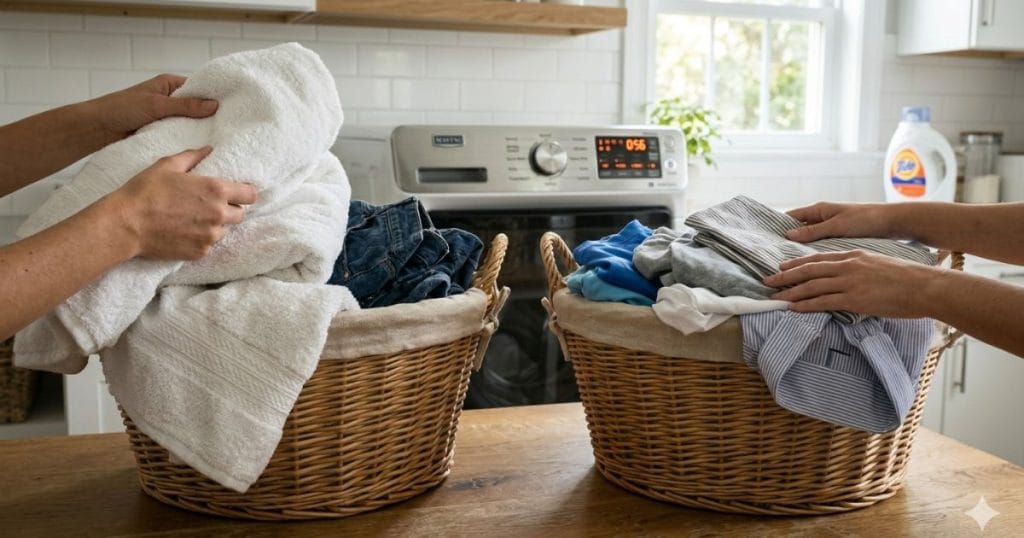
Overloading reduces cleaning efficiency and puts stress on the motor. Mixing heavy towels with light shirts creates uneven movement. Using hot water for every cotton load accelerates shrinkage.
Excess detergent creates residue that traps odors. Ignoring spin settings increases the stress on clothes in the long run. Another overlooked problem is not cleaning the washer drum every month.
Residue buildup slows down cycle performance and can affect the freshness of clothes. Laundry mistakes are rarely dramatic. They cause gradual damage that occurs over months.
Front-Load vs Top-Load Maytag Cycle Differences
Front-load Maytag washers offer higher spin speeds and more efficient water use. Despite the powerful extraction, their tumbling action is generally gentler on fabrics. Top-load models offer faster cycle times and options like Deep Fill for heavier items.
The cycle names remain the same, but the mechanical behavior is slightly different. Front-loaders should pay more attention to temperature and spin balance.
Energy Efficiency and Smart Washing Habits
Washing in cold water significantly reduces energy consumption. Spinning more often reduces dryer time, saving additional energy. Washing a full but balanced load increases overall efficiency.
Thoughtful cycle selection reduces both utility bills and the cost of replacing clothes. Laundry is not just about cleaning; it’s about conservation.
Best Maytag Washing Machine Cycle Settings
Heavy cotton fabrics require deliberate settings. Towels, bathrobes, thick sweatshirts, and denim jeans absorb a lot of water and trap oil deep in the fibers. Using a standard normal cycle can leave residue behind.
The Heavy Duty Maytag washing machine cycle is usually the best choice for heavy cotton items. It increases the wash time and agitation force, allowing the detergent to penetrate the dense fibers. Hot water works well for white towels when sanitization is important, but high heat should be avoided repeatedly to prevent fading of colored items.
For large bedding or comforters, the Bulky or Sheets cycle distributes water more evenly and balances the drum so that it doesn’t wobble. The medium-high spin effectively removes moisture without causing extreme wrinkling.
Too much detergent reduces the absorbency of towels. Occasional extra washing helps remove clumps. Periodic maintenance keeps your washing machine running efficiently.
The density and moisture retention of the fabric transform the results of your wash load. Heavy cotton requires power, but not recklessness. Choosing the right Maytag washing machine cycle ensures a deep clean while preserving long-term durability.
Mastering the Maytag washing machine cycle is about understanding the behavior of your clothes rather than memorizing buttons. When you match the agitator force, temperature, and spin speed to the texture of your clothes, your clothes last longer and your cleaning results improve.
Small adjustments add up to long-term benefits. Doing laundry in a deliberate manner protects both your clothes and your budget.