

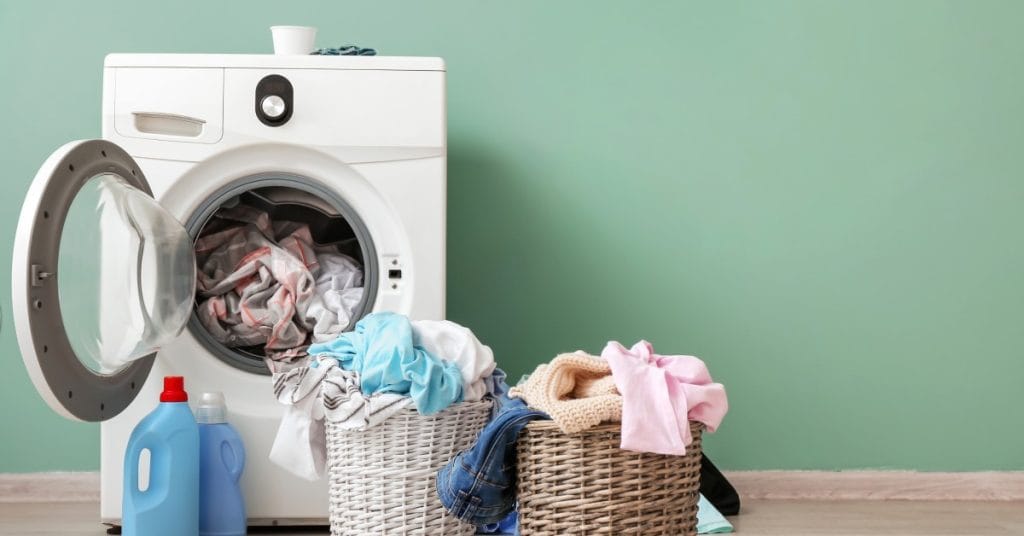
If you’ve ever pulled a wool sweater out of the washing machine and found it two sizes too small, don’t despair. Thousands of people, just like you, suffer from this problem every month.
The truth is simple but rarely explained: Wool doesn’t shrink randomly. It shrinks due to heat, tension, and sudden changes in temperature. When you understand the science behind wool fibers, preventing shrinkage becomes predictable—not risky.
This guide goes deeper than the usual advice. You’ll learn how to wash wool sweaters, wool coats, merino wool, wool socks, and wool blends without damaging the fibers, stretching the seams, or causing felting.
Why Wool Shrinks in the Washing Machine
Wool is a natural protein fiber made from animal hair. Unlike cotton or polyester, wool fibers are covered with microscopic scales. When exposed to heat and friction, these scales open up and interlock. This process is called felting.
Felting is permanent. Once these fibers are stuck together, the garment becomes denser and smaller. This is why high heat and aggressive washing machine cycles are dangerous.
Why a wool sweater shrinks in cold water usually reveals a hidden problem: it wasn’t just the temperature, but also the movement and speed of the spin. Wool reacts to three main stress factors:
- Water temperature
- Mechanical agitation
- Spin intensity
Control those, and shrinkage stops.
Can You Wash Wool in a Washing Machine?
Yes—if you use the correct washing machine mode.
Modern washers from brands such as LG Electronics, Samsung Electronics, Whirlpool Corporation, and Bosch often have a dedicated wool or delicates cycle.
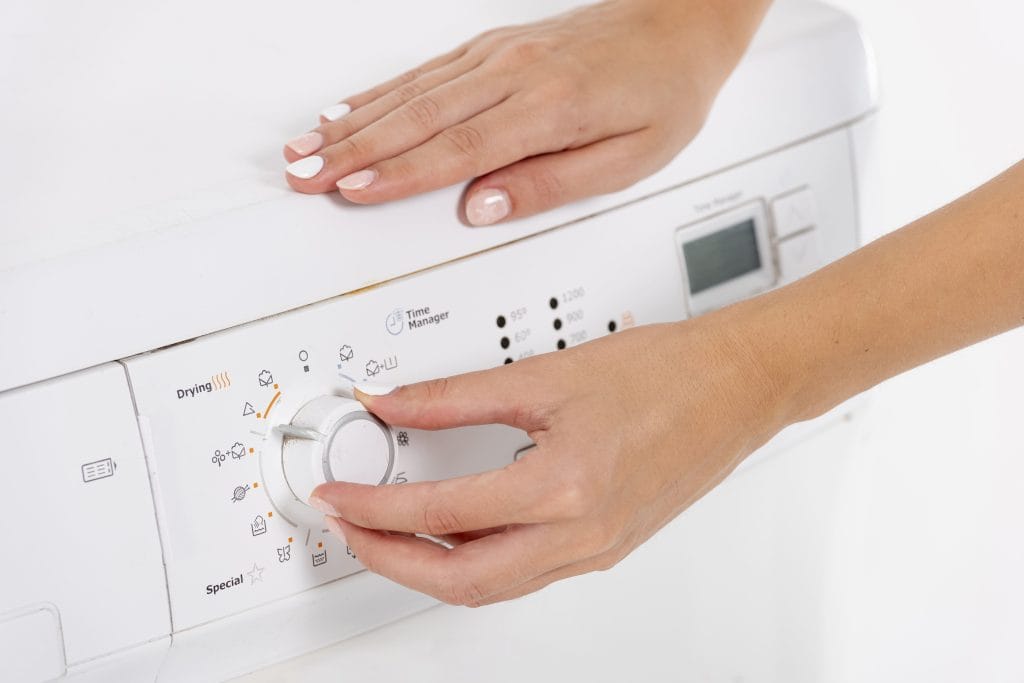
These cycles reduce agitation and spin speed while maintaining a low temperature. If your machine doesn’t have a wool cycle, choose Delicate with cold water and the lowest spin setting.
Best Washing Machine Settings for Wool
To wash wool without shrinking, follow these core guidelines:
- Temperature: Cold water only (never warm or hot)
- Cycle: Wool or Delicates
- Spin Speed: Low (400–600 RPM)
- Detergent: Wool-specific or mild detergent
Cold water prevents the expansion of fiber scale. Less agitation prevents interlocking. Less rotation reduces fiber stress. Many assume that hot water is the main enemy. In reality, aggressive agitation does more damage than just temperature.
Wool Fabric Types and Washing Differences
Not all wool behaves the same. Understanding the fiber type helps you avoid mistakes.
Merino Wool
Merino wool is fine and soft. It is less prone to itching but is sensitive to heat. Many people wonder how to wash merino wool without shrinking. Best method: Cold wash, gentle cycle, low spin. Air dry flat.
Lambswool
Softer but less elastic. High agitation quickly causes felting. Always use delicate mode.
Cashmere (Technically a Wool Fiber)
Extremely fine fiber. High spin can stretch it permanently. Use the lowest spin setting and reshape while damp.
Wool Blends
Blended fabrics (like wool + polyester) are slightly more stable but still require cold washing. Do not assume blends are shrink-proof.
The Real Reason Wool Shrinks After Washing
An overlooked factor is temperature shock. Even when washing in cold water, washing in hot water causes rapid fiber shrinkage. Keep the washing and rinsing temperatures consistent.
Another common mistake is high-speed spinning. Spin speed determines centrifugal force. High RPM means strong fiber shrinkage. Wool fibers are not designed for high mechanical stress.
Hand Wash vs Machine Wash: Which Is Safer?
Many competitors recommend hand washing only. While hand washing reduces tension, it is not automatically safe.
The rough squeezing and twisting during hand washing can damage the fibers more than a controlled, gentle machine cycle. Modern front-load washers often provide safer wool cleaning than manual washing if used correctly.
How to Wash Wool Without Shrinking
- Start by turning the garment inside out. This reduces surface friction.
- Select the wool or delicates cycle. If not available, select Gentle.
- Keep the temperature cool. Make sure the wash temperature is also cold.
- Reduce the spin speed.
- Use minimal detergent. Excess soap increases friction during washing.
- Once done, remove immediately. Do not leave wool wet in the drum.
- Reshape by laying it flat on a towel. Never hang wet wool; it stretches under its own weight.
Drying Wool Without Damage
- Drying causes more shrinkage than washing.
- Avoid tumble drying completely unless the label specifically says “superwash wool.”
- Air drying flat maintains shape. Gently reshape sleeves and neckline.
- Heat from dryers accelerates felting.
Common Mistakes That Cause Wool Shrinkage
- Using hot water
- Using the Heavy Duty cycle
- High spin speed
- Switching between cold and warm rinse
- Overloading the machine
- Using a regular high-alkaline detergent
- Tumble drying
Most wool shrinkage complaints come from combining two or more of these errors.
How to Fix a Shrunken Wool Sweater
Here’s how to fix a wool sweater that’s shrunk. You can try soaking the fabric in warm water with hair conditioner to loosen the fibers. Gently stretch it while it’s wet. However, the results are inconsistent. Prevention is easier than a cure.
Does Eco Mode Work for Wool?
The Eco cycle can reduce the temperature but increase the wash time. Longer tumbling can increase the abrasion of the fibers. If using the Eco mode, make sure the agitation is gentle and the spin speed is low.
Wool and Spin Speed: What Most People Ignore
Spin speed is rarely discussed in detail, yet it’s critical.
- Low Spin (400–600 RPM)
- Best for wool and delicate fabrics
- Medium Spin (800 RPM)
- Risky for pure wool
- High Spin (1000+ RPM)
- Never recommended for wool
High-speed spinning compacts fibers and increases shape distortion.
Wool vs. Other Fabrics: Why the Settings Are Different
Cotton tolerates medium to high rotation. Polyester tolerates moderate movement. Silk requires minimal movement.
Wool is on the most sensitive end of the fabric spectrum. It reacts more quickly to heat and friction than cotton or synthetics.
This is why copying cotton settings in wool production leads to disaster.
Energy Efficiency vs Fabric Protection
Cold washing wool saves energy and protects the fibers. Unlike cotton, wool does not require high temperatures to clean because it naturally resists odors. Cold washing is both energy-saving and fiber-safe.
Still Confused? Use a Structured Mode Selector
Wool blends, superwash labels, brand-specific cycle names – these changes create confusion.
Instead of guessing whether to choose delicate, hand wash, or wool mode, use a structured system that matches the type of fabric, soil level, and washer model. Selecting the right washing machine mode based on fiber science can prevent permanent damage.
When to Dry Clean Wool
Heavily structured garments such as wool suits and coats may require dry cleaning due to their inner lining and stitching. Always check the care labels before machine washing finished wool items.
Long-Term Wool Care Tips
Wash less often. Wool naturally resists odor. Allowing air to circulate between garments reduces washing frequency and the risk of shrinkage.
Store folded rather than hanging to maintain shape. Avoid fabric softeners—they coat the fibers and reduce breathability.
Wash Wool the Right Way
If you take one thing from this guide, it’s this: Wool shrinks due to heat and friction, not water. Cool temperatures, less agitation, and a low spin speed are the foundation for washing wool without shrinking.
By understanding the fabric structure rather than relying on generic settings, you can extend the life of your garments, reduce replacement costs, and eliminate laundry worries.
For a complete Fabric + Mode + Brand system that covers cotton, wool, polyester, silk, denim, and more, explore our main Washing Machine Fabric and Settings Pillar Guide—where every washing decision is simplified into a structured expert resource.
