

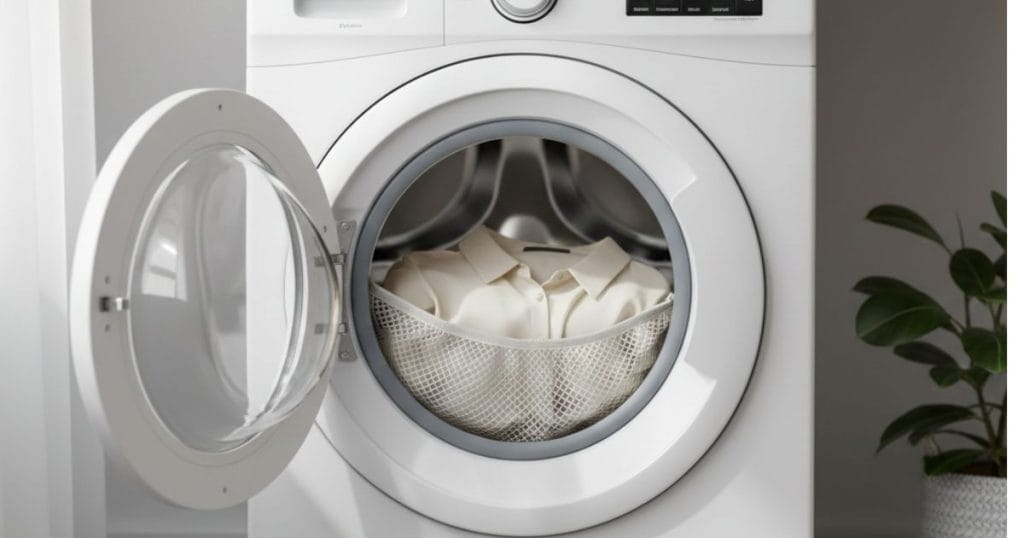
Silk is one of the most luxurious fabrics you can own. It feels smooth, naturally regulates temperature, and instantly enhances your clothes. But when it comes to washing, most people panic. Can you safely put silk in washing machine? Or will it shrink, fade, or lose its shine forever?
The real answer is: Yes, many silk items can go in the washing machine, but only under the right conditions. If you do it wrong, you can permanently damage the delicate fibers. Do it right, and your silk clothes can stay soft, shiny, and beautiful for years to come.
This complete guide covers it all: how to wash silk in washing machine, the safest cycle settings, water temperature guidelines, detergent selection, drying methods, and common mistakes to avoid. You’ll also learn how to use a smart laundry mode selector tool to completely eliminate the guesswork.
Understanding Silk Fabric Before Washing
Before putting silk in washing machine, it’s important to understand what silk actually is. Silk is a natural protein fiber produced by silkworms. Unlike cotton or polyester, silk fibers are extremely fine and delicate. They are sensitive to high heat, harsh chemicals, and intense agitation.
Many people assume that silk is always “dry clean only.” This is not entirely true. Some silk garments are machine washable, especially modern silk blends. However, pure silk items such as silk blouses, silk pillowcases, silk dresses, and silk scarves require extra care.
Silk reacts strongly to:
- Hot water
- Heavy spin cycles
- Regular laundry detergent
- Direct heat drying
- Long soak times
Due to these factors, improper washing of silk often results in shrinkage, stiffening, or color fading.

Make Silk Washing Simple with a Laundry Mode Selector Tool
Choosing the right washing settings can be confusing. Different fabrics require different water temperatures, cycle types, and spin speeds. That’s why a laundry mode selector tool can save you time and prevent costly mistakes.
Instead of guessing which cycle to use for silk, wool, polyester, or cotton, the tool helps you instantly select the safest machine settings based on the type of fabric. You simply select the material — like silk — and it provides the recommended water temperature, wash cycle, and drying method.
For silk in particular, the tool typically suggests:
- Cold water
- Delicate or hand-wash cycle
- Low spin speed
- Air dry only
But the real benefit goes beyond silk. If you’re handling a mixed load or unsure about a particular fabric, this tool prevents damage caused by incorrect washing machine settings.
If you ever accidentally shrink a garment or have a color fade, this tool eliminates that risk. Use the Smart Selector before your next wash and protect your clothes properly.
Can You Put Silk in Washing Machine?
Yes — but only if the garment label allows it.
Always check the care tag first. If it says “dry clean,” don’t ignore that warning. However, if the label says “hand wash” or “machine wash gentle,” you can safely use your washing machine with the correct settings.
In the United States, many silk pillowcase and sleepwear brands now label their products as machine washable. The main difference is using a delicate cycle with cold water and a silk-safe detergent. The real problem isn’t the washing machine itself. It’s the result of using the wrong settings.

Best Washing Machine Settings for Silk
If you wash silk in a washing machine, the safest measures include:
- Cold water only. Never use warm or hot water for silk.
- Delicate or gentle cycle.
- Low spin speed.
- Short wash duration.
Modern washers often have a “hand wash” or “delicates” setting. This is the ideal choice. High-efficiency washers are generally safer than older agitator models because they create less friction.
Avoid heavy-duty cycles at all costs. Vigorous agitation weakens silk fibers and can permanently distort the fabric.
If your machine has a manual option, set the temperature to cold, the spin speed to low, and the cycle time to the shortest option.
Choosing the Right Detergent for Silk
Common laundry detergents are too harsh for silk. Standard formulas often contain enzymes and brighteners that break down protein fibers. Detergents that should be used instead:
- Silk-specific detergent
- Mild liquid detergent
- pH-neutral laundry soap
Never use bleach. Even oxygen bleach can weaken silk over time.
Fabric softener is also unnecessary. Silk is naturally soft, and softeners can leave a residue that reduces its luster.
When washing silk pillowcases or delicate silk tops, use a small amount of detergent. Excess soap makes washing difficult and can leave tough stains.
How to Wash Silk in a Washing Machine (Step-by-Step)
- First, turn the garment inside out. This protects the outer surface from abrasion.
- Second, place the silk item inside a mesh laundry bag. This step dramatically reduces tangling and tangling.
- Third, separate the silk from heavier fabrics. Never wash silk together with jeans, towels, or hoodies.
- Fourth, select cold water and the delicate cycle.
- Finally, remove the item as soon as the cycle is complete. Leaving silk in the drum can cause wrinkles and water spots.
This process works especially well for silk pillowcases, lightweight silk shirts, and silk pajamas.

Drying Silk After Machine Washing
Many people damage silk by drying it. Never put silk in a tumble dryer. Heat damages the protein fibers and shrinks them. Instead, gently squeeze out excess water using a clean towel. Do not wring or twist the fabric.
Lay the garment flat on a dry towel or hang it in a shaded area. Keep it out of direct sunlight, as ultraviolet rays can fade the color. Silk dries relatively quickly because it is lightweight. Proper air drying helps maintain softness and shine.
Common Mistakes When Washing Silk
Many laundry disasters are caused by small mistakes. Using hot water is one of the biggest mistakes. Even slightly warmer temperatures can stiffen and shrink silk fibers.
Overloading the washer is another problem. Silk needs space to move smoothly without friction. Skipping a mesh bag increases the risk of stretching.
Using regular powder detergent can leave a residue. And finally, putting silk in the dryer is almost certain to damage it. If you’ve ever experienced stiff silk after washing, it’s usually due to detergent buildup or exposure to heat.
Washing Silk Pillowcases in a Washing Machine
Silk pillowcases are becoming increasingly popular in the United States because they reduce frizz and protect the skin. Fortunately, most silk pillowcases are machine washable.
Wash separately from heavy bedding. Use cold water and a delicate cycle. Avoid mixing with cotton sheets in the same load.
Since pillowcases are used at night, washing them once a week is ideal. Proper care will keep them soft and long-lasting.
Silk Blends vs Pure Silk
Not all silk fabrics are created equal. Silk blends (such as silk-cotton or silk-polyester blends) are more durable and often easier to machine wash. Pure silk is more delicate and requires strict control of temperature and spin.
If you are unsure, assume the item is pure silk. It is better to be safe than sorry when it comes to expensive clothing.
What Happens If Silk Shrinks?
Silk can shrink when exposed to heat or high pressure. In some cases, lightly steaming the fabric can loosen the fibers a bit. However, severe shrinkage is usually permanent. Prevention is always easier than repair.
How Often Should You Wash Silk?
Silk does not require frequent washing. Overwashing will shorten its lifespan.
Silk blouses can often be worn multiple times before needing to be washed, especially if worn with an undershirt. Spot cleaning is often better than washing small stains completely.
For pillowcases, once a week is reasonable. For dresses or formal wear, washing should only be done when necessary.
Silk vs Other Delicate Fabrics
People often compare silk to wool or satin. Wool can withstand a bit more structure but still requires cold water. Satin is a weave, not a fiber. Satin made from polyester is much more durable than silk satin.
This distinction is important because many consumers mistakenly consider all satin fabrics to be the same. It is okay to wash polyester satin on a regular cycle. This is not the case with silk satin.
Is Hand Washing Better Than Machine Washing?
Hand washing is traditionally considered the safest method for silk. However, modern washing machines with delicate cycles are often just as gentle, especially front-loading machines.
If you don’t have the right temperature control, hand washing may be safer. But if you follow the correct cold water delicate setting, machine washing silk can be perfectly safe.
Should You Wash Silk in a Washing Machine?
Yes — if done right. Silk is delicate but not impossible to maintain. The key is to be respectful of the fabric. Use cold water, gentle cycle, low spin, mild detergent, and air dry.
Avoid heat and heavy agitation. When you combine the right washing machine settings and smart tools that take the guesswork out of caring for silk, caring for it becomes easy and stress-free.
Instead of fearing damage, you can confidently wash silk pillowcases, blouses, and lightweight garments at home. And remember, protecting your clothes isn’t about being overly cautious. It’s about being informed.
Take control of your laundry process, choose the right settings every time, and keep your silk soft, elegant, and beautiful for years to come.
