

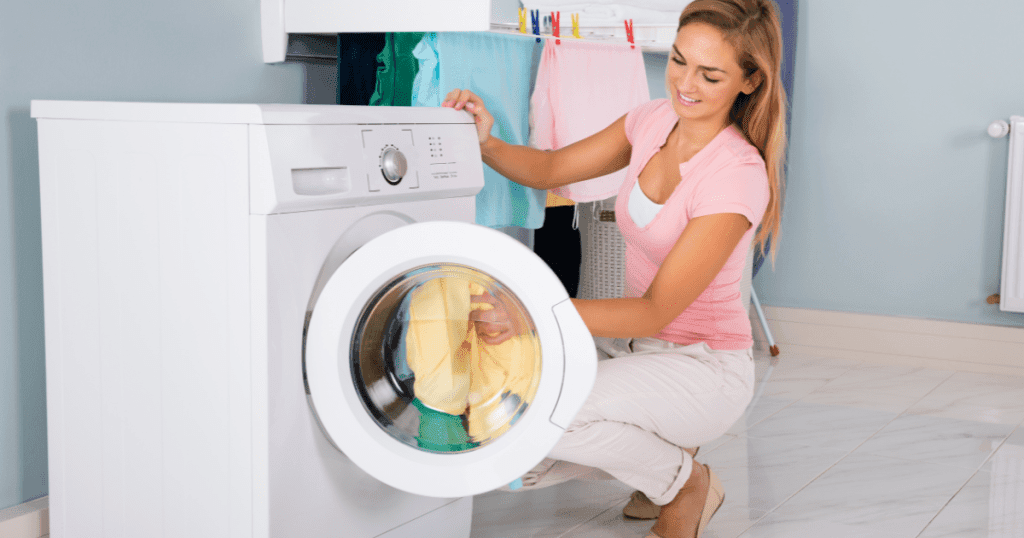
If you want clean clothes, lower your electricity bill, and reduce laundry mistakes, you first need to understand how a washing machine actually works. Most people press “start” without knowing what’s going on inside the drum. That’s where the problems start — shrinkage, color fading, fabric damage, and water waste.
This guide will explain the basics of washing machines in clear, practical detail. We’ll explain how washing machines work, top-load vs. front-load washers, semi-automatic vs. fully automatic machines, drum movement types, the science of water temperature, and spin speed (RPM) — using real-world insights and current research-driven topics like the best washing machine settings, front-load vs. top-load efficiency, what RPM means in washing machines, and the science of hot vs. cold washes.
How Washing Machines Work
The core of a washing machine is to remove dirt from clothes by combining mechanical movement, water, detergent chemistry, and controlled spinning. A modern washing machine consists of five main systems:
- Water inlet system
- Drum or tub
- Motor and drive system
- Heating element (in many models)
- Drain pump
When you select a wash cycle, the machine follows a programmed sequence:
- It fills with water.
- It mixes detergent.
- The drum moves (agitates or tumbles).
- It drains dirty water.
- It rinses with clean water.
- It spins at high speed to remove moisture.
The real cleaning happens through a combination of:
- Mechanical friction (fabric rubbing)
- Chemical reaction (detergent breaking down oils)
- Thermal energy (temperature loosens stains)
- Water dilution (flushing dirt away)
Front load and top load washers perform these steps differently, but the basic science remains the same.
Top Load vs Front Load Washing Machines
One of the most searched laundry questions in the United States is: “Which is better, a top load or front load washer?” The answer depends on your priorities.
Top Load Washing Machines
Top-load washers have a vertical drum and load from the top. Traditional models use an agitator – a central column that twists back and forth to move the clothes. Newer, high-efficiency top-loaders use an impeller instead. Advantages:
- Shorter wash times
- Easier to load (no bending down)
- Usually lower upfront cost
- Easier maintenance
Disadvantages:
- Higher water consumption
- Rougher on delicate fabrics (agitator models)
- Lower energy efficiency
Top load washers are ideal for heavy-duty laundry, families who prioritize speed, and users who want easy control.
Front Load Washing Machines
Front-load washers have a horizontal drum that tumbles clothes instead of aggressively agitating them.
Advantages:
- Better cleaning performance
- Lower water usage
- More energy efficient
- Gentler on fabrics
- Higher spin speeds (better moisture extraction)
Disadvantages:
- Higher purchase price
- Longer cycle times
- Mold risk if the door seal is not maintained
Front-load machines dominate the U.S. efficiency market and are popular with brands like LG Electronics and Samsung Electronics due to their advanced wash algorithms and high RPM capabilities. If long-term cost savings and fabric care are important to you, front-load washers are generally superior.
Semi-Automatic vs Fully Automatic Washing Machines
Another widely searched topic is: “Difference between semi-automatic vs. fully automatic washing machines.”
Semi-Automatic Washing Machines
These machines usually have two separate tubs:
- One for washing
- One for spinning
Users manually transfer clothes between tubs.
Advantages:
- Lower cost
- Lower electricity consumption
- More control over wash timing
- Useful in areas with irregular water supply
Disadvantages:
- Manual effort required
- Less advanced cleaning programs
- No automatic water level adjustment
Semi-automatic washers are used in areas where access to electricity and water fluctuates.
Fully Automatic Washing Machines
Fully automatic washers handle everything from washing to rinsing and spinning without user intervention. They automatically:
- Fill water
- Adjust water level
- Control temperature
- Detect load size
- Optimize spin speed
Advantages:
- Convenience
- Advanced wash programs
- Fabric-specific cycles
- Energy efficiency (high-efficiency models)
Fully automatic machines are now the global standard for modern households.
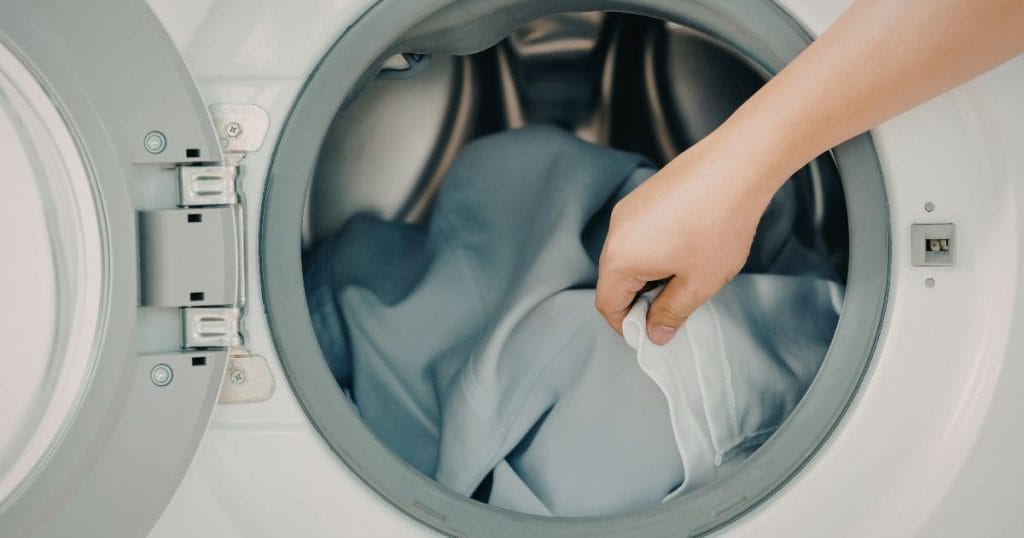
Drum Movement Types Explained
Many people think that all washers work the same way. But that’s not the case. The speed of the drum directly affects the cleaning power and the safety of the clothes.
Agitator Movement
Found in traditional top loaders, the agitator spins quickly and creates intense agitation. It’s powerful but can be harsh on delicate fabrics. It’s best for:
- Heavily soiled cotton
- Work clothes
- Towels
Risk:
- Fabric wear and stretching
Impeller Movement
Instead of a central column, an impeller uses low-profile fins to create water currents.
Benefits:
- More fabric-friendly
- Higher capacity
- Better efficiency
Tumbling (Front Load Motion)
Front-load washers rotate horizontally, lifting the clothes and dropping them into the water. This results in:
- Gentle mechanical action
- Reduced fabric friction
- Superior stain penetration
This tumbling design is why front load washers typically outperform agitator models in cleaning tests.
Advanced Drum Patterns
Premium machines from brands like Bosch use specially designed drum patterns that:
- Reduce fabric stress
- Improve water distribution
- Enhance stain removal
Drum surface design plays a bigger role than most users realize.
Water Temperature Science in Washing Machines
Temperature affects three major factors:
- Stain breakdown
- Bacteria removal
- Fabric preservation
Cold Water (60–80°F)
Best for:
- Dark clothes
- Delicates
- Lightly soiled items
Benefits:
- Saves energy
- Prevents shrinking
- Protects colors
There have been significant improvements in cold washing due to modern detergents designed for low temperatures.
Warm Water (90–110°F)
Best for:
- Synthetic fabrics
- Blended fabrics
- Moderate stains
Warm water balances cleaning and fabric care.
Hot Water (120–160°F)
Best for:
- Towels
- Bedding
- Sanitizing loads
- Heavy soil
Hot water breaks down oils quickly but increases the risk of shrinkage and color fading. Energy Note: Heating water accounts for a large portion of a washing machine’s electricity usage. This is why the “cold wash efficiency” trend is emerging in energy-conscious households.
Spin Speed (RPM) Explained
RPM stands for revolutions per minute. It measures how fast the drum spins during the final cycle.
600–800 RPM
- Gentle
- Ideal for delicate fabrics
- Leaves clothes wetter
1000–1200 RPM
- Standard household use
- Good balance of moisture removal
- Safe for cotton and blends
1400–1600 RPM
- High-speed extraction
- Shorter drying time
- Best for heavy fabrics
Higher RPMs remove more water, reducing drying time and energy use. However, delicate fabrics such as silk and wool should never be run at maximum speed.
Premium front-load washers from Whirlpool Corporation and Maytag often have 1200-1400 RPM systems optimized for high-efficiency drying.
Why Understanding These Basics Matters
Most washing machine damage happens because users:
- Choose the wrong temperature
- Select the incorrect spin speed
- Overload the drum
- Use heavy-duty cycle for delicate fabric
When you understand:
- How washing machines work
- The difference between top load and front load
- Semi automatic vs fully automatic systems
- Drum movement types
- Water temperature science
- RPM meaning in washing machines
You gain control over the lifespan of your clothes, energy consumption and wash quality. Laundry is not just a push of a button. It is an applied science in your home.
If you base your laundry strategy on the right fabric selection, optimized temperature and appropriate spin speed, your clothes will last longer – and so will your washing machine.
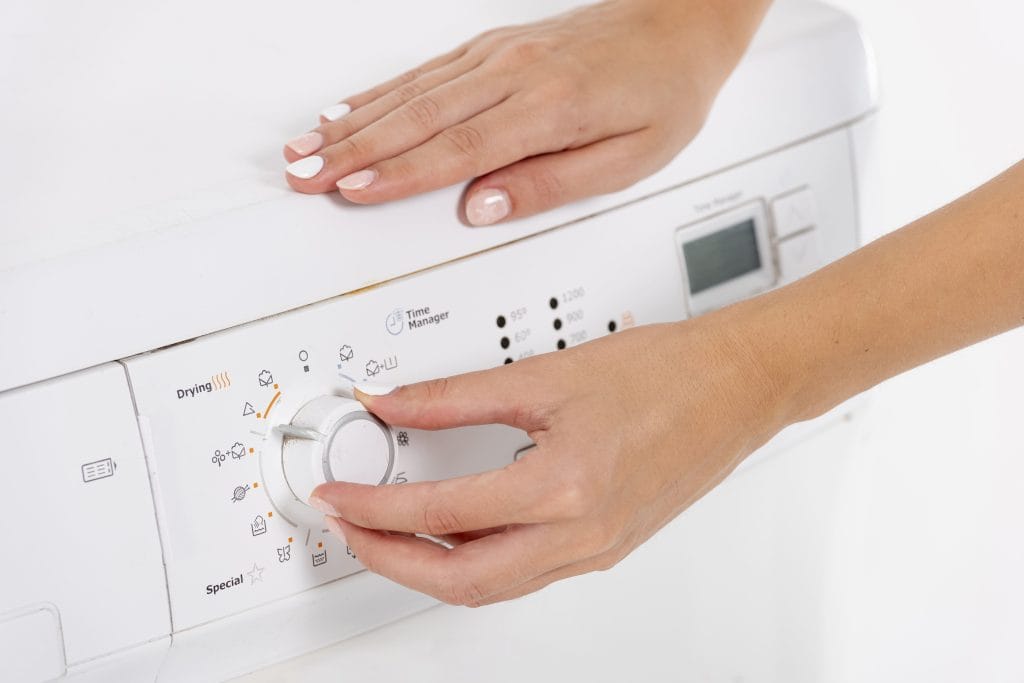
Complete Washing Machine Modes Explained
One of the most searched laundry questions in the United States is: “Which washing machine mode should I use?” People often choose a cycle based on guesswork. This mistake can lead to shrinkage, stretching, color fading, rough fabric textures, and even damage to the washer.
Modern washers—especially models from brands like LG Electronics, Samsung Electronics, and Whirlpool Corporation—include advanced washing machine cycles designed for specific fabrics and soil levels. But unless you understand what each wash cycle actually does, you won’t get the results you expect.
This complete guide explains each common washing machine mode in detail: where to use it, what fabrics it’s best for, recommended water temperatures, ideal spin speeds (RPM), and what goes wrong if you use the wrong setting.
Normal Mode (Standard Wash Cycle)
The Normal cycle is the most commonly used washing machine setting. It is designed for everyday laundry and medium soil levels.
This cycle typically uses warm or cold water, moderate agitation or tumbling, and a medium to high spin speed (usually 800-1200 RPM). It works best for cotton blends, t-shirts, socks, underwear, and everyday clothing.
If you are looking for the “best washing machine setting for everyday clothing,” the Normal mode is usually the best.
However, using the Normal mode for delicate fabrics can cause stretching and fiber stress. Similarly, using it for heavily soiled work clothes may not provide the deep cleaning benefits because it does not have the extended agitation time. The Normal mode is balanced, not specialized.
Cotton Mode
The cotton wash cycle is specifically designed for durable natural fibers like 100% cotton, towels, bed sheets, and denim.
This cycle typically uses warm to hot water (90-140°F), vigorous drum movement, and high spin speeds (1000-1400 RPM). Cotton absorbs a lot of water, so the high RPM helps remove excess moisture.
When people search for “best washing machine mode for cotton,” they usually deal with the issue of shrinkage. Here’s the truth: Cotton shrinks primarily due to high heat. If you use unnecessarily hot water, shrinkage is likely to occur.
Cotton mode is ideal for:
- White shirts
- Bath towels
- Bed linens
- Durable everyday garments
Using the cotton mode on synthetic or delicate fabrics may cause fabric peeling, fading, and structural damage.
Delicate Mode
The Delicate cycle is designed for delicate fabrics that cannot withstand vigorous agitation. This mode uses cool or cold water (60-80°F), very gentle drum movements, and a low spin speed (400-800 RPM). This reduces friction and protects the fibers.
Best for:
- Lace
- Sheer fabrics
- Light blouses
- Lingerie
- Thin synthetic blends
If you accidentally wash durable cotton or heavily soiled clothing on delicate mode, stains may remain because it is too light. Delicate mode protects the fabric but sacrifices the intensity of cleaning.
Wool Mode
Wool is one of the most misunderstood fabrics in machine washing.
Wool cycles use very low agitation, cold water, and a very gentle spin (usually under 800 RPM). Many machines take frequent breaks during the cycle to prevent fiber stress.
Wool fibers are prone to felting when exposed to heat and friction. This is why washing wool on normal or cotton mode causes it to shrink and become stiff.
If you search for “how to wash wool without shrinking in a washing machine,” always use the wool mode with cold water and a wool-safe detergent. Using high spin speeds on wool can permanently distort the shape of the garment.
Synthetic Mode
Synthetic fabrics such as polyester, nylon, acrylic, and rayon require medium care. They do not absorb water like cotton but are sensitive to heat.
Synthetic wash cycles typically use warm or cold water (80-100°F), medium tumbling, and a medium spin speed (800-1000 RPM).
Best for:
- Athletic wear
- Polyester blends
- Office shirts
- Stretch fabrics
Using high heat on synthetics can melt or weaken the fibers. High RPM can stretch elastic materials. The best washing machine setting for polyester is always the synthetic mode or a warm, gentle cycle.
Heavy Duty Mode
Heavy Duty is designed for heavy soil levels.
This cycle uses a long wash time, aggressive agitation or tumbling, warm to hot water, and a high spin speed (1000-1400 RPM).
Ideal for:
- Work uniforms
- Muddy clothing
- Thick cotton items
- Durable fabrics
The difference between a heavy-duty vs. normal wash cycle is the duration and the strength of the agitation.
Using the heavy-duty mode on delicate fabrics will cause fibers to break, stretch, and wear prematurely. This cycle is powerful – and should be reserved for really tough loads.
Quick Wash Mode
Quick Wash is one of the most popular features of modern times. It reduces the agitation and rinse time, reducing the cycle time to 15-30 minutes. It usually uses cold or warm water and a medium spin speed. It is best for:
- Lightly worn clothing
- Small loads
- Emergency washing
Does Quick Wash clean clothes properly? Quick Wash is not designed for heavy stains. Using Quick Wash on heavily soiled clothes will result in incomplete cleaning because it does not scrub deeply and cannot soak for a long time. Quick Wash saves time, not cleaning power.
Eco Mode
Eco mode emphasizes energy savings. It typically uses lower water temperatures (mostly cold), lower water volume, and longer wash durations to compensate for the lower heat. Many people ask, “Does Eco mode save electricity?” Yes, because heating water consumes energy in most washing machines. Eco mode reduces that cost. It’s best for:
- Light to moderate soil
- Regular cotton blends
- Energy-conscious households
However, using Eco mode on greasy or heavily stained clothes may not completely remove the oil. Cold water fights oil-based stains when not combined with advanced detergents.
Steam Wash Mode
Steam uses high-temperature steam injection during the wash cycle. It helps loosen stains, reduce wrinkles, and kill bacteria. It’s usually found on premium models from Bosch and Maytag. Best for:
- Bedding
- Towels
- Allergy-sensitive loads
- Deep stain removal
Steam cycles often combine high spin speeds (1000-1400 RPM) with hot water. Using steam on delicate fabrics can cause shrinkage and structural damage. Steam is powerful and should be used sparingly.
Bedding Mode
Bed mode is optimized for heavier items like comforters and blankets. It uses:
- Higher water levels
- Slower drum rotation for even distribution
- Medium-to-high spin speed
Heavy items require balance control to prevent the machine from shaking. The best washing machine setting for comforters is Normal mode for bedding, which can cause uneven cleaning because heavy items trap water. Bedding mode ensures proper saturation and washing.
Baby Care Mode
The Baby Care cycle uses high temperatures (often 140°F or higher) with an extra rinse cycle to remove detergent residue. Best for:
- Baby clothes
- Sensitive skin garments
- Allergy-prone households
The spin speed is usually medium (800-1200 RPM). Using the regular mode without additional rinsing can leave detergent residue that can irritate sensitive skin.
Sanitize Mode
Sanitize mode uses very high water temperatures (up to 160°F in some machines) to kill bacteria. It’s best for:
- Towels
- Sheets
- Illness-related laundry
- Gym wear
“The difference between the Sanitize cycle and the Hot Wash is that Sanitize is hotter and lasts longer than the regular Hot Cycle. Using this mode on delicate fabrics will almost certainly cause shrinkage and color fading.
Rinse + Spin
Rinse + Spin does not wash clothes. It simply rinses clothes with clean water and spins to remove moisture. Use it when:
- Clothes feel soapy
- You want an extra rinse
- You need a quick refresh without a full wash
Spin speed is usually adjustable. Using rinse + spin instead of a full wash will not remove dirt – only detergent residue.
Drain Only
The drain simply removes water without turning it. Effective when:
- You need to stop the cycle
- You want to rebalance the load
- There’s excess standing water
This function does not clean or dry the clothes. It only empties the drum.
Why Choosing the Right Washing Machine Mode Matters
Every washing machine cycle is engineered for specific:
- Fabric type
- Soil level
- Water temperature range
- Spin speed tolerance
Most clothes are damaged because users select the wrong cycle. High RPM on delicate fabrics causes stretching. Hot water on wool shrinks the fabric. Heavy-duty on synthetics causes fiber stress.
Understanding washing machine modes is not optional – it is essential for fabric longevity, proper stain removal, and energy efficiency.
When you select the right wash cycle for the right fabric, your clothes last longer, your washer works better, and your utility bill is lower. Laundry is not random. It is controlled by mechanics, chemistry, and heat – working together in the right mode.
Fabric-Based Laundry Mode Guide
Whether you’re wondering what the best washing machine settings are for cotton or how to wash wool without shrinking, you’ll notice a pattern: People are getting confused about fabric-based laundry mode selections and making the wrong choices without knowing it. The biggest laundry mistakes aren’t caused by bad machines — they’re caused by incorrect fabric settings.
Modern washers from brands like LG Electronics, Samsung Electronics, and Whirlpool Corporation include fabric-specific cycles. But if you don’t understand fabric science, those labels — cotton, wool, synthetic, delicate — don’t mean much.
This complete fabric-based laundry mode guide explains the best washing machine mode for each type of fabric, including temperature, spin speed (RPM), and what goes wrong if you select the wrong one. This is where fabric care and machine science come together.
Cotton Washing Machine Mode
Cotton is the most common fabric in American households. T-shirts, bed sheets, towels, jeans, underwear—most are cotton or cotton blends. That’s why many people don’t know the temperature of the cotton wash cycle and the best washing machine settings for cotton clothes, so they just guess.
The cotton washing machine mode is designed for durability. Cotton fibers are strong when wet but susceptible to heat shrinkage. A proper cotton wash typically uses warm water (90-110°F) for everyday loads and hot water (120-140°F) for heavily soiled whites and towels. Spin speeds are typically between 1000 and 1400 RPM because cotton absorbs significant moisture.
The cotton mode uses vigorous agitation or tumbling to remove dirt trapped in natural fibers. It’s ideal for the following:
- White shirts
- Bath towels
- Cotton sheets
- Durable everyday garments
However, using unnecessarily hot water can cause cotton to shrink. Excessive use of high heat drying can further exacerbate the damage. If you wash lightweight cotton items on a heavy duty cycle, you risk premature shrinkage and color fading. The right cotton washing machine balances cleaning power and temperature control.
Wool Washing Machine Mode
Wool is completely different from cotton. It is a protein-based fiber, and heat combined with friction creates felting – the irreversible shrinkage and stiffening of the material.
Do you know how to wash wool in a washing machine without shrinking? Wool wash cycles use cold water (60-80°F), minimal agitation, and a low spin speed (400-800 RPM).
Many modern washers take frequent breaks during the wool cycle to reduce stress on the fibers. Wool garments should never be washed using the following:
- Hot water
- High spin speed
- Heavy Duty or Cotton mode
This causes shrinkage and loss of softness. If your washing machine does not have a wool cycle, use the delicate setting with cold water and the lowest RPM.
Always use a wool-safe detergent designed for protein fibers. The appropriate wool washing machine mode preserves elasticity and prevents distortion.
Polyester Washing Mode
Polyester is one of the most common synthetic fabrics today. It is durable, wrinkle-resistant, and dries quickly. However, it is heat-sensitive.
The best washing machine setting for polyester is the synthetic or polyester wash cycle, using warm or cold water (80–100°F), medium speed, and medium spin speed (800–1000 RPM).
Polyester doesn’t absorb water like cotton, so high RPMs aren’t necessary. Excessive heat can weaken or slightly melt the fibers, especially in athletic clothing. The Polyester mode is ideal for the following:
- Activewear
- Office shirts
- Stretch blends
- Sports uniforms
Using the cotton setting with hot water can damage synthetic fibers over time: controlled temperatures and a medium spin benefit polyester.
50 Wool 50 Polyester Wash (Blended Fabric Care)
Blended fabrics such as 50% wool and 50% polyester create confusion. 50 wool 50 polyester wash in washing machines is increasingly common.
Blends combine the behavior of natural and synthetic fibers. Wool is sensitive to heat and tension. Polyester is heat-sensitive but structurally stable. The safest method for 50 wool 50 polyester garments is:
- Cold water (60–80°F)
- Gentle or Wool cycle
- Low spin speed (under 800 RPM)
Using the cotton or heavy-duty mode can cause partial shrinkage of the wool material and stress on the polyester fibers.
Compromise settings are required for blended fabrics. You should always prioritize the finest fibers in the blend. In this case, the wool dominates the decision.
Silk Wash in Machine
Silk is a fine natural protein fiber similar to wool, but thinner and more fragile. Many people ask, can you wash silk in a washing machine? The answer is yes—but only under strict conditions. Silk should be washed using:
- Delicate or Silk cycle
- Cold water only
- Very low spin speed (400–600 RPM)
High heat destroys the smooth texture and luster of silk. Vigorous agitation causes fraying and weakens the fibers.
Silk garments such as blouses, scarves, and nightwear require gentle scrubbing and a mild detergent. Never use the sanitize or steam mode on silk. If your machine has a specific silk wash cycle, use it. Otherwise, select Delicates with the lowest RPM.
Denim Washing Settings
Denim is technically cotton—but heavier, denser, and dyed differently. The best washing machine setting for jeans requires denim to:
- Cold or warm water (avoid hot to preserve color)
- Medium agitation
- Medium spin speed (800–1000 RPM)
Hot water fades blue dye faster. High RPM can put unnecessary stress on the stitching.
Always turn jeans inside out before washing to maintain surface color. Avoid heavy-duty mode unless the jeans are very dirty. Denim washing settings should prioritize color retention over aggressive cleaning.
Winter Clothes Washing Mode
Winter clothing often combines multiple materials—wool, fleece, polyester insulation, and blended knits.
Winter clothing typically benefits from:
- Cold or warm water (never hot)
- Gentle or Wool cycle
- Low to medium spin speed (600–1000 RPM)
Heavy insulated jackets require a bed or bulk mode to ensure proper water distribution. Using high heat on winter clothing can result in the following results:
- Shrinkage
- Pilling
- Loss of insulation shape
Winter clothing washing methods must protect the fiber structure and maintain insulation integrity.
Baby Clothes Washing Setting
Children’s clothes require special care due to their sensitive skin. The best washing machine settings for children’s clothes include:
- Warm to hot water (120°F if fabric allows)
- Extra rinse cycle
- Moderate spin speed (800–1200 RPM)
Many machines have a baby care cycle to remove detergent residue and bacteria. The biggest mistake is using too much detergent and not washing enough. Residue can irritate baby’s skin. Always check the fabric label—some baby clothes are delicate and require a lower heat.
Why Fabric-Based Mode Selection Matters
Every fabric reacts differently to:
- Temperature
- Agitation intensity
- Spin speed (RPM)
- Wash duration
Using the wrong washing machine mode can cause:
- Shrinking (wool, cotton)
- Melting or fiber weakening (polyester)
- Tearing (silk)
- Fading (denim)
- Skin irritation (baby clothes)
The goal isn’t just cleaning. It’s preserving fabric lifespan while optimizing energy efficiency.
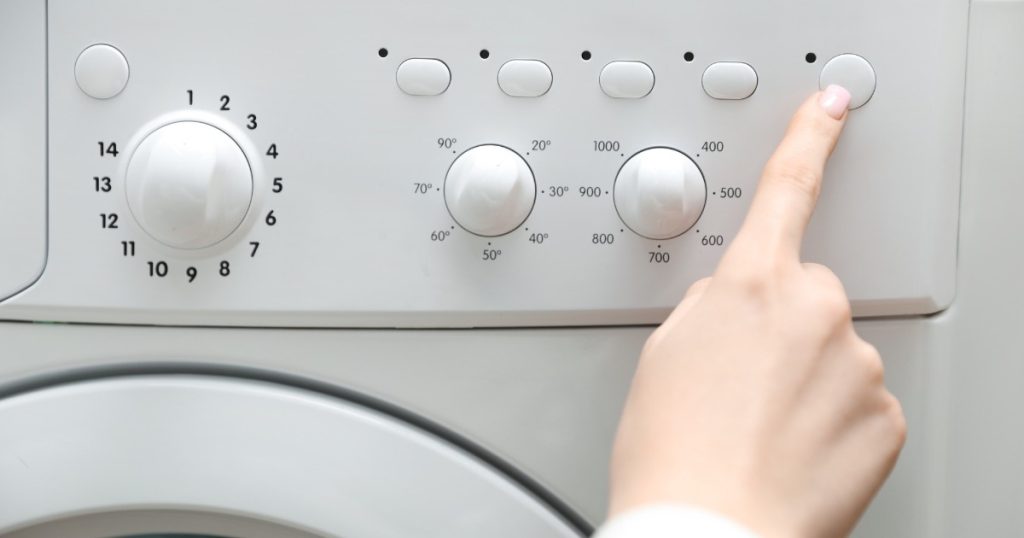
How to Choose the Right Fabric Mode Every Time
The hard truth is: when most people stand in front of the washing machine, they don’t know which laundry mode their clothes need. This is where the confusion comes in. Instead of guessing between cotton, synthetics, wool, or delicates, you should use a structured approach:
- Identify the most delicate fiber in the garment.
- Choose a temperature based on fiber sensitivity.
- Select a spin speed appropriate to the fabric thickness.
- Avoid overusing Heavy Duty or Sanitize cycles.
If it seems overwhelming, that’s okay. Washing machines are more advanced than ever, and fabric blends make decisions even more complicated.
That’s exactly why a laundry mode selector tool is essential. Instead of memorizing fabric behavior, you simply select:
- Fabric type
- Soil level
- Washer type (top load or front load)
The tool recommends:
- Best washing machine mode
- Ideal temperature
- Safe spin speed
- Optional rinse settings
It removes guesswork and prevents expensive fabric damage.
Final Perspective: Fabric First, Mode Second
The biggest mistake homeowners make is choosing the mode first and thinking about the fabric later. The correct order is reversed: Fabric determines the mode.
Cotton handles the strongest cycle. Wool needs softness. Polyester needs medium heat. Silk needs minimal movement. Denim needs color protection. Baby clothes need extra washing. Winter clothes need insulation protection.
When you understand fabric-based laundry mode selection, you’ll stop damaging clothes and start washing smarter.
Laundry isn’t random – it’s fiber science meets mechanical precision. And once you match the type of fabric with the right washing machine setting, everything changes: cleaner clothes, longer life, lower replacement costs, and improved machine performance.
Washing Machine Settings Explained
Most people just pick the wash cycle and press start. But if you really want better cleaning, fabric protection, and lower energy bills, you need to understand washing machine settings beyond “normal” or “delicate.”
The best washing machine temperature setting, what spin speed should I use, what does the soil level setting mean, and what the extra rinse function is, these kinds of questions are common in every American home. This tells you something important: People don’t fully understand what these controls actually do.
Modern washing machines — especially high-efficiency models from brands like LG Electronics, Samsung Electronics, and Whirlpool Corporation — give users advanced customization options. But power without knowledge can damage clothes.
This in-depth guide uses real fabric science and practical examples to explain washing machine temperature settings, spin speed (RPM), soil level, prewash, extra rinse, water level control, delay start, and load size detection.
Temperature Setting (Cold vs Warm vs Hot Wash)
Temperature setting is one of the most important controls on a washing machine. It affects stain removal, fabric preservation, bacteria elimination, and energy consumption.
Cold Water (60–80°F)
Cold water is ideal for:
- Dark cotton
- Polyester
- Synthetic blends
- Delicate fabrics like silk
- Wool
- Stretch fabrics
Cold water prevents shrinkage and fading. It’s also energy-efficient because a large portion of the electricity used in washing machines is used to heat water.
Modern detergents are designed to work well in cold washes. However, cold water can struggle with grease-heavy stains if not paired with the right detergent. For fabrics like wool, silk, and 50/50 blends (wool-polyester), cold water isn’t optional—it’s essential.
Warm Water (90–110°F)
Warm water is the most balanced temperature setting. Best for:
- Cotton blends
- Office wear
- Lightly soiled jeans
- Synthetic fabrics
Helps reduce the problem of stain breakage without the aggressive shrinkage of fibers caused by hot water.
If you’re not sure what washing machine temperature to set, hot water is usually the safest medium for everyday tasks.
Hot Water (120–160°F)
Hot water is powerful but risky.
Best for:
- White towels
- Bedding
- Heavily soiled cotton
- Sanitizing loads
Hot water kills bacteria and breaks down oil-based stains more effectively. But it also causes:
- Cotton shrinkage
- Color fading
- Wool felting
- Synthetic fiber stress
Never use hot water for:
- Silk
- Wool
- Stretch fabrics
- Dark denim
The right temperature setting depends on the most delicate fabric in the load.
Spin Speed (RPM) Explained
The rotation speed is measured in RPM (revolutions per minute). This determines how fast the drum rotates during the final cycle to remove moisture.
Low Spin (400–800 RPM)
Best for:
- Wool
- Silk
- Delicate fabrics
- Lightweight synthetics
Low RPM reduces stress and prevents stretching. Using high spin speeds on wool can permanently distort its shape.
Medium Spin (800–1200 RPM)
Ideal for:
- Cotton blends
- Polyester
- Shirts
- Everyday clothing
Medium spin removes sufficient water without causing fiber damage.
High Spin (1200–1600 RPM)
Best for:
- Towels
- Heavy cotton
- Bedding
- Durable denim
High RPM extracts more moisture, reducing dryer time. However, it increases fabric tension.
Using high spin on delicate fabrics leads to:
- Seam stress
- Elastic breakdown
- Shape distortion
Spin speed must match fabric thickness and elasticity.
Soil Level Setting (Light, Normal, Heavy)
Soil level setting adjusts the wash time and agitation intensity. Many people misunderstand this feature. What does soil level mean in a washing machine? Soil level does not control the soil sensor – it changes the cycle duration and mechanical action.
Light Soil
Best for:
- Lightly worn clothing
- Office wear
- Quick refresh loads
Using heavy soil for lightly dirty clothes wastes water and energy.
Normal Soil
Balanced cleaning for everyday wear.
Heavy Soil
Extended wash time, stronger agitation, and more soaking.
Best for:
- Muddy jeans
- Work uniforms
- Sports clothing
Using Heavy soil on delicate fabrics increases friction and reduces garment lifespan.
Soil level should match dirt intensity—not habit.
Pre-Wash Setting
The Pre-wash option adds an extra wash phase before the main cycle.
Best for:
- Extremely dirty clothes
- Stain-heavy loads
- Mud-covered garments
Pre-wash uses water and light agitation before the main wash cycle begins. It’s particularly useful for heavy cotton fabrics.
However, using pre-wash unnecessarily:
- Increases water use
- Extends cycle time
- Wears fabric faster
Avoid pre-wash for:
- Silk
- Wool
- Delicate garments
- Light soil loads
Use it strategically, not routinely.
Extra Rinse Setting
The Extra rinse option adds an additional rinse cycle to remove detergent residue.
Best for:
- Baby clothes
- Sensitive skin
- Allergy sufferers
- Heavy detergent loads
- Thick fabrics like towels
Detergent residue trapped in cotton fibers can cause skin irritation. Extra washing improves the comfort of the fabric.
Frequent extra washing increases water consumption. This is helpful – but not always necessary. baby clothes and towels, extra washing is recommended.
Water Level Setting
Older top-load washers used to manually control the water level. Modern high-efficiency washers adjust automatically. How much water should a washing machine use? Manual water level settings typically include:
- Small
- Medium
- Large
Selecting a water level that is too high reduces cleaning friction. Too low water causes excessive condensation and stress on the fabric.
For heavier items like bedding and winter jackets, a higher water level ensures proper saturation. Front-load washers typically use less water and rely on tumbling rather than soaking. The water level matches the size of the load, not the capacity of the drum.
Delay Start Feature
The delay start setting allows you to schedule a wash cycle for a later time. How does the delay start work on a washing machine? Benefits include:
- Running during off-peak electricity hours
- Scheduling loads to finish before you wake up
- Better time management
However, leaving wet clothes in for too long after the cycle is complete can cause odors to develop. It’s convenient to start late, but you should remove the clothes immediately after completion.
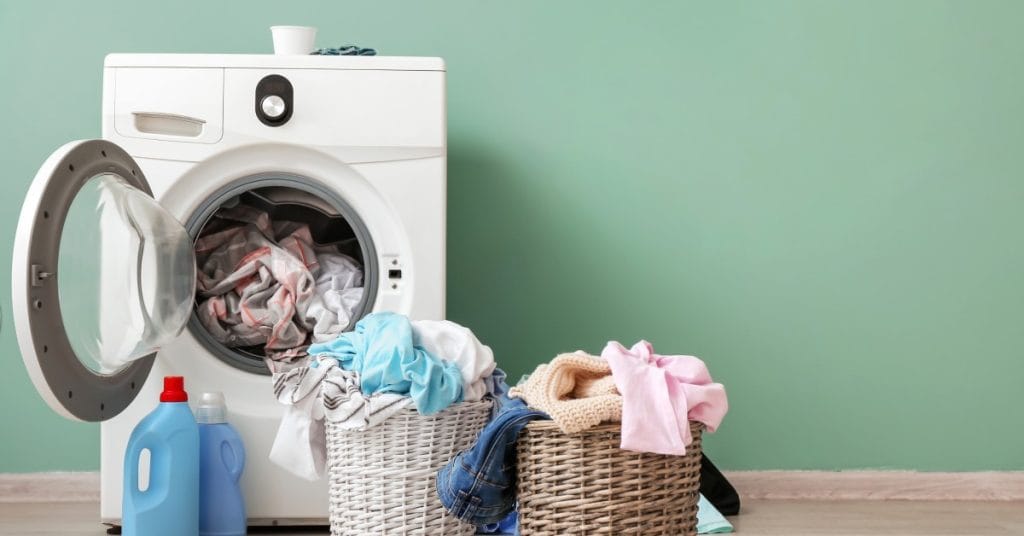
Load Size Detection (Automatic Sensing Technology)
Modern washers include automatic load size detection, sometimes called auto-sensing technology. This system uses sensors to:
- Measure drum weight
- Adjust the water level
- Modify cycle duration
- Optimize energy use
High-efficiency washers from brands like Bosch and Maytag often have advanced load sensing algorithms. What is load sensing in a washing machine? Load sensing prevents:
- Water waste
- Underfilling
- Overfilling
- Imbalanced spinning
However, excessive pressure in the drum can confuse the sensor and reduce cleaning efficiency. Always leave about 20-25% of the drum space for proper movement.
Fabric-Specific Settings Strategy
Understanding washing machine settings becomes powerful when applied to specific fabrics.
For cotton:
- Warm or hot temperature
- Medium to high spin
- Normal soil
For wool:
- Cold temperature
- Low spin
- Light soil
- No pre-wash
For polyester:
- Warm or cold
- Medium spin
- Normal soil
For silk:
- Cold
- Very low spin
- Light soil
- No heavy agitation
For denim:
- Cold or warm
- Medium spin
- Normal soil
For baby clothes:
- Warm or hot (if fabric allows)
- Extra rinse
- Medium spin
The correct washing machine settings depend on fiber type, soil level, and garment structure.
Common Mistakes with Washing Machine Settings
Most fabric damage comes from these errors:
- Using hot water on wool
- High spin on delicate fabrics
- Heavy soil setting on light loads
- Skipping the extra rinse for baby clothes
- Overusing pre-wash
- Overloading the drum despite load detection
Understanding settings prevents:
- Shrinkage
- Fading
- Stretching
- Elastic damage
- Premature wear
Final Perspective: Settings Control Everything
Washing machine cycles are preset. But the settings are where the precision happens.
- Temperature controls chemical reactions.
- Spin speed controls moisture extraction and fabric pressure.
- Soil level controls the duration of agitation.
- Pre-wash and extra wash control cleaning depth.
- Water level and load detection control efficiency.
When you understand your washing machine settings, you’ll stop guessing and start optimizing. Laundry isn’t just about pushing a button. It’s about aligning fabric science with mechanical control.
And once you master temperature, RPM, soil level, and wash technique, you’ll gain complete control over cleaning performance, fabric longevity, and energy savings. That’s the difference between an average wash and intelligent laundry management.
Brand-Specific Washing Machine Mode Guide
If you search for “LG washing machine modes explained” or “Samsung washer cycle meaning,” you’ll quickly notice a few important things: Every brand uses different names for the same type of function. It can be confusing.
One washer says “TurboWash.” Another says “Super Speed.” One says “Allergen.” Another uses “Sanitize.” The basic mechanics may be the same, but the branding and cycle tuning are different.
This brand-specific washing machine mode guide explains how the biggest appliance manufacturers design their washer cycles, how their mode names differ, and what types of fabrics each cycle is actually designed for.
Understanding brand-specific washer settings prevents costly mistakes like washing wool on the high-speed cotton cycle or running denim on the delicate steam setting.
LG Electronics Washing Machine Modes Explained
LG Electronics is known for its high-efficiency front-load washers and advanced cycle optimization. Search trends like “LG washer cycle guide” and “LG turbowash vs normal” are extremely common in the United States.
Normal Cycle (LG)
LG’s Normal cycle is designed for everyday mixed fabrics. It typically uses hot water, medium agitation, and a spin speed of 800-1200 RPM, depending on the model. Best for:
- Cotton blends
- T-shirts
- Polyester shirts
- Everyday laundry
Not ideal for:
- Wool
- Silk
- Delicate lace
Cotton/Heavy Duty (LG)
LG often separates cotton and heavy-duty cycles. The cotton mode uses higher water temperatures and stronger drum speed options. Heavy-duty increases wash time and agitation. Best for:
- Towels
- Durable cotton
- Work clothes
- Thick denim
High spin speeds (up to 1300-1400 RPM on some models) help to efficiently remove water. Heavy-duty use on synthetic stretch fabrics can reduce elasticity over time.
Delicates & Wool (LG)
LG includes both a delicate and a dedicated wool cycle on many models.
Delicates:
- Cold water
- Low RPM (400–800)
- Gentle tumbling
Wool:
- Even gentler motion
- Controlled soaking
- Minimal spin
These settings protect silk blouses, wool sweaters, and lightweight fabrics from fiber stress.
TurboWash (LG)
TurboWash increases water spray and reduces wash time by optimizing drum rotation. Many people wonder if LG TurboWash is good for heavy fabrics? It is best for the following:
- Light to moderately soiled cotton
- Polyester blends
Not ideal for heavily stained workwear.
Steam & Allergiene (LG)
LG’s Steam Cycle helps disinfect and reduce allergens. The Allergy Cycle targets dust mites and bacteria, making it ideal for bedding and baby clothes. High heat and steam work well for:
- Towels
- Sheets
- Allergy-sensitive loads
Avoid for silk or wool due to heat intensity.
Samsung Electronics Washing Machine Modes Explained
Samsung Electronics focuses heavily on technology-driven cycles. Samsung Super Speed Cycle Explained and What Samsung EcoBubble Mode Means.
Normal Cycle (Samsung)
Balanced wash for everyday tasks. Adjustable temperature and spin speed make it versatile for cotton and synthetic blends.
Super Speed (Samsung)
This cycle significantly reduces wash time while maintaining cleaning power. Best for:
- Small loads
- Light soil
- Polyester
- Office wear
Not ideal for thick denim or heavily soiled cotton.
EcoBubble Technology (Samsung)
Ecobubble mixes detergent with air and water to create foam before it enters the drum. This improves cold water cleaning performance. Does Samsung Ecobubble clean in cold water? The answer is yes. It is great for:
- Cotton blends
- Synthetic fabrics
- Energy-efficient washing
Cold wash with EcoBubble protects color and reduces shrinkage risk.
Bedding Cycle (Samsung)
Designed for heavy items like comforters and blankets. It adjusts the drum rotation and water level to ensure thorough cleaning. Avoid using Normal mode for heavy bedding—Samsung’s Bedding Cycle prevents imbalance problems.
Sanitize & Steam (Samsung)
Sanitize uses high heat to remove bacteria. Steam helps loosen deep stains. Best for:
- Baby clothes
- Towels
- Illness-related laundry
Not safe for wool or silk.
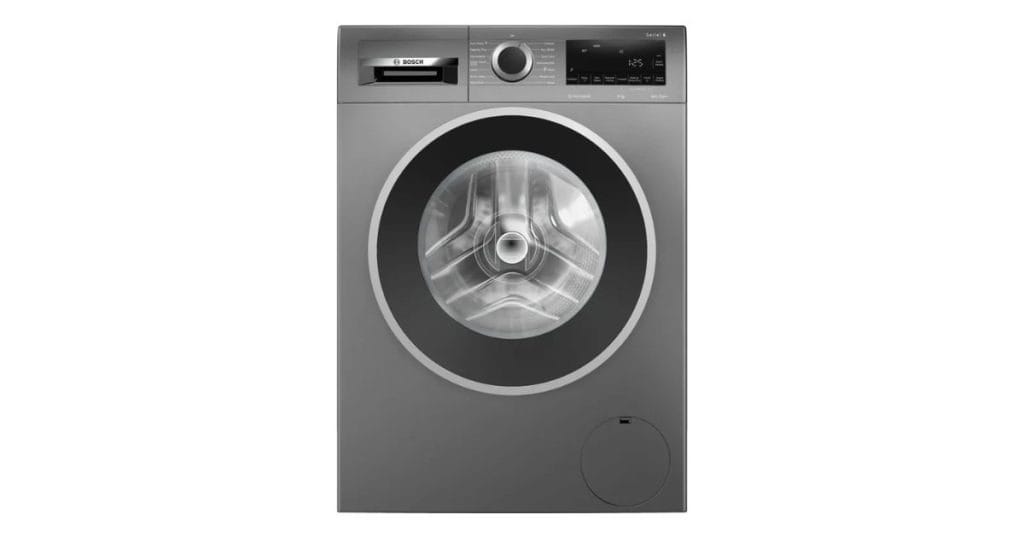
Bosch Washing Machine Programs Explained
Bosch is known for precision engineering and fabric-friendly drum designs.
Bosch washing machine programs explained.
Cotton (Bosch)
Designed for durable fabrics with customizable temperature (cold to hot) and high RPM options. Excellent for:
- White cotton
- Towels
- Bed sheets
Bosch often extends wash time for deeper cleaning.
Easy Care (Bosch)
This is Bosch’s version of a Synthetic cycle. Best for:
- Polyester
- Blended fabrics
- Office shirts
Medium agitation and moderate spin protect fiber integrity.
Delicate/Silk (Bosch)
Low drum movement, cold water, minimal spin. Best for:
- Silk blouses
- Lightweight garments
Wool/Hand Wash (Bosch)
Extremely gentle motion mimicking hand washing. Critical for:
- Wool sweaters
- Fine knits
AllergyPlus (Bosch)
This program maintains higher temperatures for longer periods to reduce allergens. Suitable for:
- Bedding
- Baby clothes
- Towels
Whirlpool Corporation Washer Settings Explained
Whirlpool Corporation designs washers using fabric-driven cycle logic. Whirlpool Washer Cycle Guide.
Normal & Casual (Whirlpool)
Normal for cotton and mixed loads. Casual cycle reduces wrinkles for synthetic and blended fabrics. Casual:
- Lower spin
- Controlled agitation
- Warm water default
Heavy Duty (Whirlpool)
Extended wash time and aggressive agitation. Best for:
- Heavily soiled cotton
- Work uniforms
Not suitable for stretch fabrics.
Delicate (Whirlpool)
Cold water, slow spin, gentle motion. For:
- Silk
- Lace
- Thin fabrics
Sanitize with Oxi (Whirlpool)
Uses hot water and an extended wash for deep sanitation. Best for:
- White towels
- Sheets
- Hygiene-focused loads
Maytag Washer Modes Explained
Maytag emphasizes durability and strength. The Maytag PowerWash cycle explained.
PowerWash (Maytag)
High-intensity cycle for tough stains.
Best for:
- Muddy denim
- Workwear
- Heavy cotton
High RPM extraction reduces drying time. Not recommended for wool or silk.
Wrinkle Control (Maytag)
Designed for synthetic fabrics prone to creasing. Moderate heat and reduced spin minimize wrinkles.
Quick Wash (Maytag)
Short cycle for small, lightly soiled loads.
GE Appliances Washer Cycles Explained
GE Appliances insists on straightforward cycle labeling. GE Washer Cycle Meaning.
Colors Cycle (GE)
Optimized for color retention using cold or warm water.
Ideal for:
- Dark cotton
- Denim
- Synthetic blends
Whites Cycle (GE)
Uses hotter water and strong agitation for white cotton fabrics.
Active Wear (GE)
Low heat, moderate agitation for athletic fabrics and polyester blends.
Deep Clean (GE)
Longer wash duration for heavy soil loads.
Why Brand-Specific Mode Knowledge Matters
Every brand calibrates:
- Agitation intensity
- Spin speed range
- Temperature duration
- Water usage
Two machines labeled “Normal” may behave differently. Choosing the wrong brand-specific cycle can cause:
- Shrinkage (cotton + high heat)
- Felting (wool + strong agitation)
- Elastic damage (polyester + high RPM)
- Color fading (denim + hot water)
Understanding brand-specific washing machine programs allows you to match fabric type with the correct cycle logic.
Laundry is no longer just about selecting “Normal.” It’s about understanding how your specific washer brand engineers its modes.
When you align:
- Fabric science
- Soil level
- Temperature
- Brand cycle design
You maximize cleaning performance while protecting fabric lifespan. That’s how you turn brand confusion into washing confidence.
Common Washing Machine Problems & Mode Mistakes
Why did my clothes shrink during washing? Why does my washing machine pull on my clothes? Why do my clothes smell after washing? And washing machines not draining are all extremely common problems in the United States. This tells you something important: Most laundry problems aren’t machine failures—they’re caused by incorrect mode selections and settings.
Modern washers from brands like LG Electronics, Samsung Electronics, and Whirlpool Corporation are built with advanced wash cycles. But if you select the wrong washing machine mode for the wrong clothes, damage is almost certain.
This guide will explain the most common washing machine problems, what causes them, and how selecting the wrong cycle contributes to shrinkage, stretching, fading, odors, excessive spin damage, drain problems, and error codes.
Wrong Mode Causing Shrinkage
Why did my clothes shrink after washing? The answer is that shrinkage occurs when the fibers of the fabric contract due to heat and friction. Natural fibers like cotton and wool are especially vulnerable.
Cotton Shrinkage
Cotton shrinks primarily because of:
- Hot water washing
- High heat drying
- Heavy agitation
If you wash cotton shirts on a heavy-duty setting with hot water (120-140°F), the fibers become stiff. Combining this with high spin speeds (1200-1400 RPM) increases the risk of shrinkage.
Best prevention:
- Use warm or cold water
- Select Normal or Cotton mode (not Heavy Duty unless necessary)
- Avoid excessive dryer heat
Wool Shrinkage (Felting)
Wool shrinkage is more severe. It happens due to:
- Hot water
- Aggressive agitation
- High spin speed
Using the normal or cotton cycle on a wool sweater will cause felting—the fibers become permanently stuck together. Best practices:
- Use Wool or Delicate cycle
- Cold water only
- Low spin speed (400–800 RPM)
Once wool shrinks, it cannot be reversed.
Synthetic Fabric Shrinkage
Polyester rarely shrinks in water, but it can be deformed by drying at high temperatures. If you use the steam or sanitize cycle unnecessarily, the elastic elements of the blended fabric can become weak. Shrinkage is usually a molding error, not a manufacturing defect.
Clothes Stretching Issue
Stretching typically occurs due to:
- Overloading the drum
- High spin speed
- Incorrect cycle for fabric type
Knit Fabrics & Stretch Materials
Knitwear, such as sweaters, leggings, and athletic wear, is at risk from high RPM spin cycles.
If you wash stretchy polyester blends on heavy duty mode with a 1400 RPM spin, the concentric forces stretch the seams and elastic fibers. Best resistance:
- Use a Synthetic or Delicate cycle
- Reduce spin speed
- Avoid overloading
Cotton & Water Weight
Cotton absorbs a lot of water. If overloaded, heavy wet clothes will stretch under their own weight during the spin cycle. Leave 20-25% drum space for proper movement. Stretching is usually due to mechanical stress, not just water.
Color Fading
Color fading happens due to:
- High temperature
- Over-agitation
- Excessive detergent
- Long wash cycles
Denim Fading
Denim is very sensitive to hot water. Washing jeans on the White or Sanitize mode accelerates the loss of blue color. Best settings:
- Cold water
- Normal or Colors cycle
- Turn inside out
Dark Cotton & Polyester
Dark colored fabrics should always be washed in cold water. Hot water opens the pores of the fibers, releasing the dyes. Using a heavy soil setting unnecessarily increases the mess and speeds up the color breaking. If the color fades, check:
- Temperature setting
- Soil level
- Cycle duration
The right washing machine mode preserves color integrity.
Bad Smell After Washing
Odor is usually caused by:
- Mold buildup
- Detergent residue
- Low water temperature
- Leaving clothes inside the drum too long
Front Load Washer Odor
Front load machines from brands like Samsung Electronics are at risk of moisture accumulating in the gasket if not dried properly. Prevention:
- Leave door open after cycle
- Run tub clean cycle monthly
- Use correct detergent amount
Low Temperature Washing
Continuous cold washes without an occasional hot cycle can cause bacteria to build up inside the drum. Run a hot sanitize or tub clean cycle occasionally.
Excess Detergent
Using too much detergent creates residue that traps odor-causing bacteria. Extra washing helps with the following:
- Baby clothes
- Towels
- Thick cotton fabrics
Odors are rarely random – it’s usually a maintenance or mode selection issue.
Over-Spinning Damage
Can high spin speed damage clothes? Yes. High spin speeds (1200–1600 RPM) are efficient for water extraction, but delicate fabrics suffer under extreme force.
Silk & Wool Damage
High RPM stretches protein fibers and distorts shape. Always use:
- Low spin (400–800 RPM)
- Delicate or Wool cycle
Synthetic Elastic Breakdown
Leggings, gym wear, and stretch denim contain elastic fibers. Repeated high spin cycles weaken the elasticity over time. A medium spin (800-1000 RPM) is safe for blended fabrics.
Excessive spinning doesn’t always show immediate damage—but it significantly shortens the life of the garment.
Drain Problems
Water is not draining from the washing machine. Drainage problems can be caused by the following reasons:
- Clogged drain pump filter
- Kinked drain hose
- Overloading
- Wrong cycle interruption
Overloading & Balance Issues
Washing heavy items like bedding without the Bedding mode can create an imbalance. The machine may stop in the middle of the cycle and fail to drain properly. Always use the Bulky or Bedding mode:
- Comforters
- Large blankets
- Winter jackets
Fabric Debris
Small fabric particles from cotton towels can clog filters over time. Clean the drain pump filter regularly (especially on front-load washers). Drain problems are often maintenance-related – not mechanical failure.
Washing Machine Error Codes Overview
Modern washers display error codes to indicate specific issues. Common error types include:
- Unbalanced load errors
- Water supply errors
- Drain errors
- Door lock issues
For example:
- Load imbalance errors happen when heavy cotton items are unevenly distributed.
- Drain errors appear if the pump filter is blocked.
- Water supply errors occur if inlet hoses are restricted.
Brands like Bosch and GE Appliances have digital diagnostic systems that detect specific fault categories.
However, many “error codes” are triggered by incorrect cycle usage rather than machine malfunctions. Example: Using the laundry mode for small loads can confuse the load detection sensors.
Fabric-Specific Mistake Patterns
Cotton:
- Shrinks with high heat
- Fades with hot water
- Stretches if overloaded
Wool:
- Shrinks with agitation
- Distorts with high spin
- Felts with heat
Polyester:
- Weakens under high heat
- Elastic damage under high RPM
Silk:
- Tears with strong agitation
- Loses sheen under hot water
Denim:
- Fades under hot wash
- Seams stress under heavy spin
Baby clothes:
- Irritation if detergent not rinsed properly
Most washing machine problems connect directly to fabric behavior.
The Real Cause: Mode & Setting Mismatch
Here’s the truth: most washing machine problems are preventable.
They happen because:
- Wrong temperature selected
- Wrong spin speed used
- Soil level set too high
- Heavy Duty used for delicate fabrics
- Overloading drum
- Ignoring maintenance cycles
Understanding washing machine troubleshooting starts with understanding fabric science. Laundry isn’t just about pressing a button. It’s about matching:
- Fabric type
- Soil level
- Temperature
- Spin speed
- Washer cycle
When you align these components properly, you eliminate shrinkage, expansion, discoloration, odors, and mechanical stress.
Washing machine problems are rarely random. They are usually predictable – and preventable – with the right mode selection and smart settings control.
The Hidden Mechanics Behind Cleaner Clothes
Most people think doing laundry is easy – add detergent, select a washing machine cycle, and press start. But behind every successful wash is a combination of chemistry, physics, water quality, and fabric science.
Search terms like “Does water hardness affect washing machines?”, “Cold vs. hot wash performance” and “Does high spin speed damage clothes?” show that more and more homeowners are trying to understand what really happens inside the drum.
If you want true laundry optimization – not just clean-looking clothes but longer fabric life and lower energy bills – then you need to understand the science behind it.
Water Hardness Impact on Washing Performance
One of the most overlooked factors in washing machine performance is water hardness. How does hard water affect laundry?
Hard water contains high levels of calcium and magnesium minerals. These minerals interfere with the effectiveness of detergents and leave residue on clothes.
How Hard Water Affects Different Fabrics
Cotton is highly absorbent. In hard water conditions, minerals build up in the cotton fibers, making the towel feel stiff and rough. Over time, white cotton can become gray or dull.
Wool and silk are even more susceptible. Mineral buildup can change the texture and reduce softness. Synthetic fabrics like polyester are less absorbent but still affected—detergent residue can stick to the surface fibers, trapping odors.
Hard water also reduces sudsing. This means your detergent works less efficiently, leading to the common mistake of adding more detergent. This only makes the problem worse. To combat hard water:
- Use a high-efficiency detergent designed for hard water
- Avoid overusing detergent
- Consider occasional maintenance cycles with descaling agents
Water hardness doesn’t just affect cleaning—it affects fabric longevity and washing machine performance.
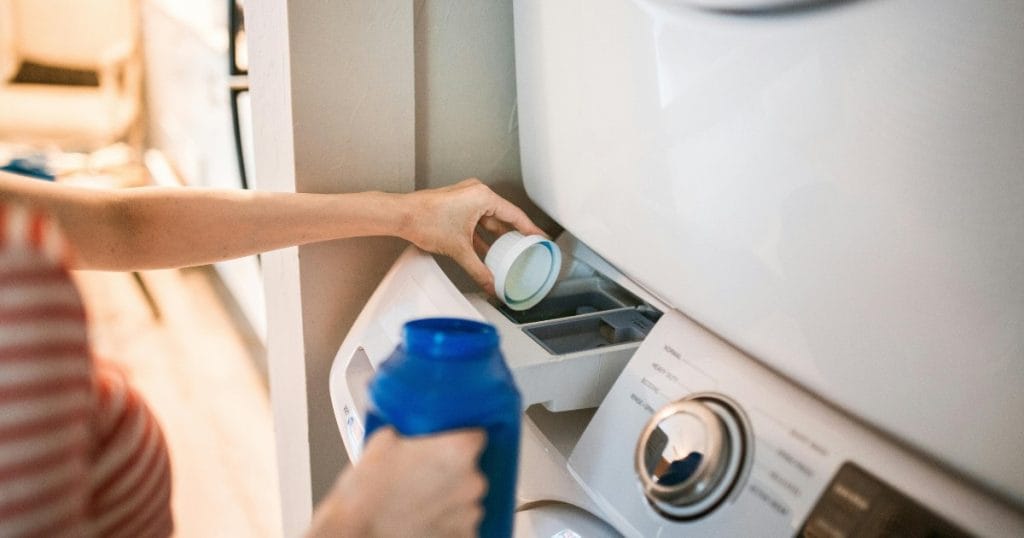
Detergent Chemistry Explained
How do laundry detergents work? Detergents work through surfactants—molecules that break down oils and lift dirt from clothes. They surround grease particles and suspend them in water so they can be washed away. Modern detergent chemistry includes:
- Enzymes (break down protein stains like sweat)
- Surfactants (remove oils)
- Builders (soften water)
- Optical brighteners (enhance appearance)
Fabric-Specific Detergent Interaction
Cotton absorbs detergent deeply. Excess detergent can build up, especially without extra washing. Wool and silk require mild detergents because harsh chemicals can break down protein fibers.
Polyester traps body oils. Enzyme-based detergents are especially effective for synthetic activewear. Using the wrong detergent chemistry for the fabric can:
- Skin irritation (especially baby clothes)
- Fading
- Stiff texture
- Persistent odor
The right detergent paired with the correct washing machine setting is critical for optimal results.
Cold vs Hot Wash Science
is cold water as effective as hot water? The answer depends on the stain type and the fabric.
Cold Wash Science
Cold water (60-80°F) protects the fibers. It prevents cotton from shrinking, preserves denim dyes, and protects delicate fabrics like silk and wool.
Cold washing is extremely effective with modern enzyme-based detergents. For lightly soiled items, cold washing is almost as effective as warm water. Cold washing is ideal for:
- Dark cotton
- Polyester
- Synthetic blends
- Stretch fabrics
- Delicate garments
Hot Wash Science
Hot water (120–160°F) breaks down oil and bacteria more effectively. It is ideal for:
- White cotton towels
- Bedding
- Heavily soiled garments
- Sanitizing cycles
However, hot water causes cotton fibers to shrink and wool fibers to peel. Excessive heat can weaken synthetic fabrics. Heat speeds up chemical reactions, which improves stain removal—but it also increases the stress on the fabric.
- The science is simple:
- Cold water protects.
- Hot water intensifies.
The best washing machine temperature setting depends on the soil level and fabric type.
Eco Wash vs Normal Wash Electricity Comparison
“Does Eco Mode save electricity? Eco wash cycles are designed to reduce energy consumption by lowering the water temperature.
Up to 70-90% of a washing machine’s electricity consumption is responsible for heating the water. By using cold water and increasing the wash time, Eco Mode reduces energy demand while maintaining cleaning performance.
Eco Mode Performance
Eco wash is effective for:
- Light to moderate soil
- Cotton blends
- Synthetic fabrics
- Daily laundry
It may struggle with:
- Heavy grease stains
- Thick towels
- Muddy workwear
Normal wash cycles usually use warm water and have a short wash time. They clean faster but use more energy. Energy comparison:
- Hot wash consumes the most electricity.
- Warm wash consumes moderate electricity.
- Cold eco wash consumes the least.
For households focused on reducing utility bills, Eco Wash significantly reduces long-term energy costs—especially when used consistently.
However, it is recommended to use the heat or sanitize cycle occasionally to prevent odors from building up inside the washing machine.
Spin Speed vs Fabric Damage Research
Can high spin speeds damage clothes? Spin speed, measured in RPM (revolutions per minute), determines how much water is removed during the final cycle. High RPM means:
- Faster drying time
- Less energy use in dryer
- More mechanical stress
Fabric-Specific Spin Impact
Cotton can withstand higher RPMs (1000–1400) due to its structural strength. Wool should be kept below 800 RPM to prevent distortion. Silk requires very low spins (400–600 RPM) to protect the delicate fibers.
Polyester can withstand medium spins (800–1000 RPM), but high RPMs can degrade elastic blends. Denim is beneficial to avoid seam stress from medium spins.
Research on textile durability shows that repeated high-RPM spinning increases micro-fiber breakdown over time. The damage is gradual – not immediate – but cumulative. Spin speeds must match:
- Fabric elasticity
- Garment weight
- Fiber type
Using maximum RPM on every load shortens garment lifespan.
The Interaction Between Water, Chemistry, and Fabric
Laundry Science About Interaction:
- Water hardness affects detergent performance.
- Detergent chemistry affects stain removal.
- Temperature affects fiber reaction.
- Spin speed affects mechanical stress.
For example:
- Hard water + cotton + excess detergent = stiffness and residue.
- Hot water + wool = shrinkage.
- High RPM + stretched fabric = loss of elasticity.
- Cold water + heavy grease = incomplete cleaning.
Every washing machine cycle is a balance between chemistry and physics.
Why Laundry Science Matters for Fabric Longevity
When you understand:
- How water hardness impacts cleaning
- How detergent chemistry works
- The difference between cold vs hot wash science
- How Eco mode compares to Normal wash electricity use
- The effect of spin speed on fabric durability
You stop guessing—and start optimizing. Laundry isn’t random. It’s a controlled science inside a spinning drum.
By aligning the fabric type (cotton, wool, polyester, silk, denim, baby clothes) with the right temperature, detergent, and spin speed, you extend the life of your clothes, reduce energy consumption, and prevent common washing machine problems. That’s the difference between basic washing and intelligent laundry management.
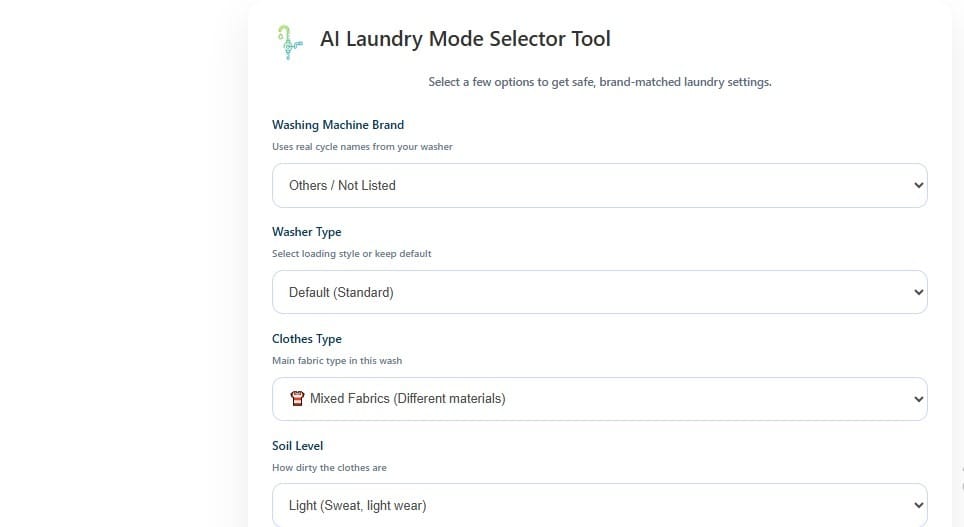
Laundry Mode Selector Tool Wash Settings
If you’ve ever pulled a cotton shirt two sizes too small out of the washer, watched your favorite wool sweater stretch beyond repair, or watched dark denim fade after just a few washes, you’ve already experienced what choosing the wrong washing machine mode can do. The truth is simple: The wrong wash cycle ruins clothes faster than inferior fabrics.
Many people are confused about “best washing machine mode for cotton, shrinkage of wool after washing, how to properly wash polyester, cold vs. hot wash for clothes, and what delicate cycles mean. Modern washers offer Normal, Delicate, Heavy Duty, Eco Wash, Quick Wash, Cold Wash, Steam, and more. But without understanding fabric science, choosing the wrong setting can be costly.
That’s where a laundry mode selector tool makes all the difference.
Why Choosing the Wrong Mode Destroys Clothes
Every washing machine cycle combines three forces: water temperature, drum movement, and spin speed. The wrong combination damages fibers at a microscopic level. Over time, that damage becomes visible. Let’s break it down by fabric type.
Cotton Shrinkage
Cotton is a natural cellulose fiber. When exposed to hot water and intense tension, the fibers shrink. This is why cotton shrinks in the washing machine. Hot washes with typical high spin speeds accelerate shrinkage, especially in the case of untreated cotton.
Heavy-duty mode for lightly soiled cotton T-shirts? Is it overkill? You’re applying industrial-grade mechanical stress to everyday fabrics.
Wool Stretching and Felting
Wool is protein-based. Heat and tension cause the fibers of the wool fibers to bond together. This is how felting occurs. If you wash wool on a normal or heavy cycle instead of the proper wool or delicate cycle, you will either shrink it dramatically or stretch it out of shape.
Many people don’t know how to wash a wool sweater without shrinking. The answer is controlled temperatures and minimal agitation. The wrong mode equals permanent damage.
Polyester and Synthetic Wear
Polyester and synthetic blends are more durable than natural fibers, but high heat weakens their structure. Excessive twisting can distort the shape and reduce the elasticity of sportswear.
Best washing machine settings for polyester – Using high heat on polyester can cause color fading and surface pilling.
Silk and Delicates Damage
Silk requires very gentle handling. Even medium spinning speeds can stress the fibers. The wrong wash cycle can ruin silk’s natural shine and break the fibers.
If you want to know if silk is machine washable, then it is only on the extra-delicate setting with cold water.
Denim Fading and Fiber Breakdown
Denim, especially dark wash jeans, fades quickly after washing with intense agitation on a warm or hot cycle. The high mechanical stress loosens the dye molecules. Many people don’t know how to stop jeans from fading in the washing machine, and this often leads to selecting the wrong cycle.
Common Mode Mistakes People Make
A big problem is assuming that “normal” is safe for everything. But it’s not.
Normal cycle usually means medium to high speed movement and medium spin speed. It’s fine for sturdy cotton towels but too aggressive for rayon, viscose, modal, silk or knitwear.
Another common mistake is using Heavy Duty for lightly soiled clothes. Heavy cycles increase the drum’s movement and increase the wash time, which accelerates the deterioration of the fabric.
Quick Wash cycles are also abused. They use high-speed movement in short bursts. This can stress delicate fibers.
Then there’s the Eco Wash confusion. Eco modes use less water and lower temperatures, but often increase the wash duration. For some fabrics, this is beneficial. For others, prolonged tumbling can cause stretching. Without understanding the behavior of fibers, selecting a mode becomes a matter of guesswork.
How the Laundry Mode Selector Tool Solves the Confusion
Instead of memorizing fabric science, you use a structured decision-making system. Your laundry mode selector tool takes the guesswork out of combining the following:
- Fabric type
- Soil level
- Color sensitivity
- Fabric weight
- Stretch sensitivity
- Machine type (Top Load or Front Load)
They are looking for clarity using words like washing machine settings guide or what cycle to use for mixed fabrics. Your appliance provides it instantly. Instead of selecting a cycle based on habit, users input:
- Fabric type (Cotton, Wool, Polyester, Silk, Denim, Blends, Rayon, Linen, Activewear)
- Soil level (Light, Medium, Heavy)
- Color (Dark, Light, Mixed)
- Fabric thickness (Thin, Medium, Heavy)
The tool then recommends:
- Water temperature (Cold, Warm, Hot)
- Agitation level (Low, Medium, High)
- Spin speed (Low RPM, Medium RPM, High RPM)
- Recommended detergent type
This transforms confusion into confidence.
Step-by-Step Guide to Use the Laundry Mode Selector Tool
Using the tool is simple and structured.
Step 1: Select Fabric Type
Choose the dominant fabric. If the garment is 60% cotton and 40% polyester, select Cotton Blend. This is critical because fiber composition determines temperature tolerance and agitation strength.
For example:
- 100% Cotton → Normal or Gentle (based on soil)
- Wool → Wool or Delicate
- Silk → Delicate Cold
- Polyester → Normal Cold
- Denim → Cold Normal, Low Spin
- Activewear → Synthetic or Cold Gentle
Step 2: Choose Soil Level
Light soil requires less mechanical action. Heavy soil requires stronger agitation.
The tool prevents you from using Heavy Duty unnecessarily. That alone extends garment lifespan.
Step 3: Select Color Category
Dark fabrics require cold water to prevent dye bleeding. Light fabrics can tolerate warmer settings.
The tool accounts for color fading risk automatically.
Step 4: Review Recommended Settings
You’ll see:
- Ideal wash temperature
- Recommended cycle name
- Safe spin speed range
- Drying recommendation
This removes guesswork and prevents damage.
Step 5: Adjust the machine manually
Set your washer accordingly. Whether you use LG, Samsung, Whirlpool, Maytag, Bosch, or GE models, the logic remains the same: temperature + agitation + spin must match fiber type.
Why This Matters Long-Term
Fabric damage doesn’t happen instantly. It’s cumulative. Repeated high-spin cycles cause micro-tears in cotton fibers. Repeated hot washes break down the elastane in stretch denim.
Wool fibers weaken as a result of excessive tension. By choosing the right washing machine mode every time, you:
- Reduce shrinkage risk
- Prevent color fading
- Avoid fabric stretching
- Lower pilling formation
- Extend garment lifespan
- Reduce replacement costs
Many families unknowingly waste hundreds of dollars worth of clothes each year due to incorrect cycle selection. The Laundry Mode Selector tool transforms laundry from habit-based washing to science-based washing.
Fabric-Specific Protection Examples
For cotton T-shirts, the tool recommends cold water with moderate agitation, unless it is very dirty.
- For wool sweaters, it enforces low agitation and cold temperature automatically.
- For silk garments, it recommends ultra-low spin to prevent fiber stress.
- For polyester activewear, it balances odor removal with fabric protection.
- For denim, it prioritizes color retention.
The Cost of Not Using a Selection System
Washing mistakes are subtle but expensive.
- Shrunken cotton shirts.
- Misshapen wool sweaters.
- Faded black jeans.
- Elastic breakdown in leggings.
- Pilled polyester tops.
All from incorrect cycle selection. When users rely on memory or guesswork, they repeat the same mistakes. When they use a guided selector, they protect fabric integrity.
Take Control of Your Laundry Today
Laundry should not feel complicated. It should feel controlled.
Your Laundry Mode Selector Tool bridges the gap between textile science and everyday washing. Instead of worrying whether to choose Delicate, Normal, Eco, or Heavy Duty, users get a data-backed recommendation in seconds.
- Stop shrinking your cotton.
- Stop stretching your wool.
- Stop fading your denim.
- Stop damaging your delicates.
- Make every wash intentional.
👉 Use the Laundry Mode Selector Tool Now and Protect Your Clothes With the Right Mode Every Time
