

Laundry day can be frustrating when you’re not sure which cycle to choose. Different fabrics, soil levels, and load sizes require different settings — and Whirlpool machines have a variety of wash cycles to meet every need.
This Whirlpool washing machine cycle guide will help you understand Whirlpool’s wash programs, what they do, and choose the best cycle for your clothes — from cotton sheets to delicate sweaters. Whether you’re new to Whirlpool washers or have laundry skills, this in-depth guide will explain it all in clear, practical language.
What Makes Whirlpool Washing Machine Cycles Unique?
Whirlpool designs its washing machines with a variety of cycles and options so you can match the right machine action, temperature, and time to exactly what you’re washing. Choosing the right setting not only cleans clothes more effectively, it also protects your clothes and prevents unnecessary wear and tear or shrinkage.
Whirlpool washers schedule wash actions by cycle, and many models let you adjust the temperature, spin speed, and soil level for better control. Some cycles also include additional features like extra rinse, pre-soak, and deep water fill, which are useful for really dirty items.
Use Your Laundry Mode Selector Tool to Pick Perfect Settings
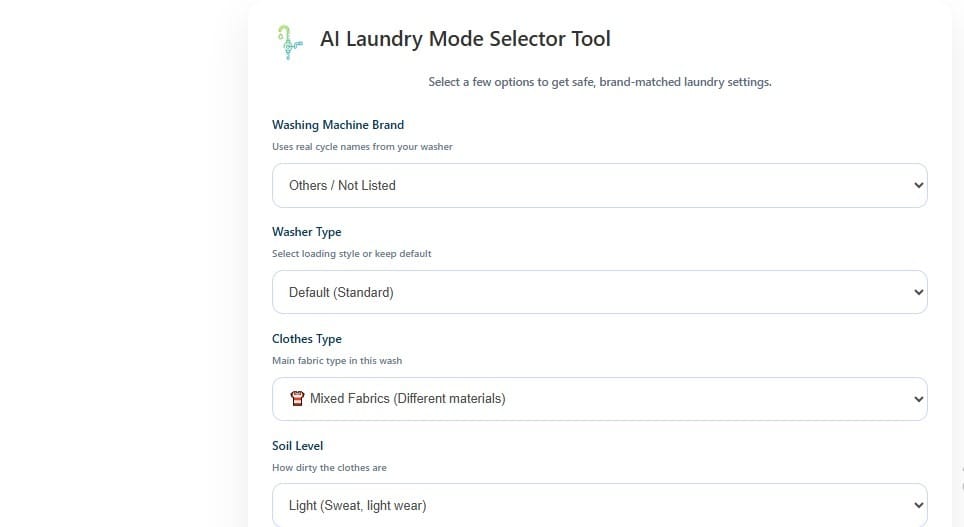
Choosing the perfect Whirlpool cycle can still seem confusing, especially when you’re balancing fabric type, soil level, and your schedule. That’s where the My Laundry Mode Selector tool comes in.
This simple tool helps you choose the perfect Whirlpool wash cycle by asking you a few quick questions: what you’re washing (fabric type), how dirty it is, and how quickly you need it done.
Based on your answers, it recommends a cycle, water temperature, spin speed, and helpful options like extra rinse or pre-soak. The tool makes decision-making easy, so you get clean clothes and a quick laundry day without trial and error.
Standard Whirlpool Washing Machine Cycles
Here’s a logistically organized list of Whirlpool wash cycles, how they work, and when to use them.
Normal (Everyday Laundry)
The normal cycle is the default for most everyday laundry. It combines efficient agitation and spin to handle moderately soiled items.
✔ Best for: cotton shirts, jeans, towels, underwear, casual wear
✔ Temperature: Warm
✔ Why use it: Balanced cleaning action for everyday loads
For cotton and linen garments, normal is often the best first choice – it’s tough enough to clean soil, but gentle enough that it won’t lose color or shape when combined with the right temperature.
Colors (Cool Wash for Brights & Darks)
This cycle uses cold water to protect bright and dark colors from fading. It cleans well without heat, which helps maintain the intensity of the colors.
✔ Best for: colored T-shirts, active wear, dark fabrics
✔ Temperature: Cool
✔ Note: Pair with a mild detergent designed for colors to prevent bleeding.
Whites (Hot Water Heavy Cleaning)
Whites is Whirlpool’s most popular cycle, used for heavily soiled white clothes and linens. Hot water removes tough stains and helps restore brightness when used with bleach.
✔ Best for: white sheets, cotton towels, undergarments
✔ Temperature: Hot
✔ Pro tip: For best results with whites, add a color-safe bleach per label instructions.
Quick Wash (Fast Clean)
Quick Wash is designed for lightly soiled clothes that need a quick fix — perfect if you forgot your shirt tonight.
✔ Best for: small, lightly soiled loads
✔ Temperature: Warm
✔ Duration: ~30 minutes
Note: Because this cycle is shorter, don’t overload it — keep loads small for the best results.
Delicates / Gentle
This setting is gentle, rotating at low speeds and using light movements, which is perfect for delicate items.
✔ Best for: lingerie, sheer fabrics, sweaters
✔ Temperature: Cool
✔ Tip: Use a mesh wash bag for delicate items to prevent snagging.
Bulky / Sheets
Heavy duty cycles use more water and different wash cycles to prevent large items like blankets and comforters from getting stuck inside the drum.
✔ Best for: blankets, sleeping bags, sheet sets
✔ Temperature: Warm
✔ Why it matters: Higher water volume and gentler action help large items wash evenly.
Heavy Duty (Max Clean Power)
Heavy duty is for the toughest loads – think work clothes, heavily stained items, and fabrics that require a lot of moving.
✔ Best for: towels, work pants, outdoor gear
✔ Temperature: Hot (or Warm)
✔ Note: This cycle uses more energy and takes longer, but it gets deeply soiled clothes clean.
Rinse & Spin / Drain & Spin
These are utility cycles rather than full wash programs.
- Rinse & Spin: adds a rinse and water removal for items that just need a freshen up or after hand-washing.
- Drain & Spin: only drains water and spins; great if your load is extra wet after washing.
Both are helpful when an extra rinse or faster drying is needed.
Understanding Whirlpool Wash Temperatures
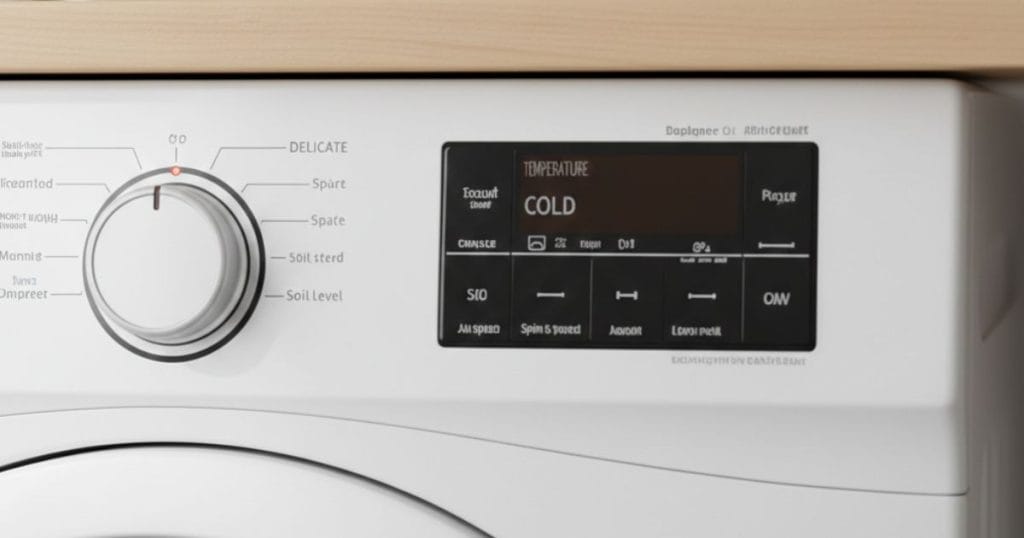
Temperature control is key to fabric care and cleaning performance:
- Hot Water: breaks down heavy soils, ideal for whites and towels.
- Warm Water: a balanced choice for everyday colors and cottons.
- Cool or Cold: protects colors and delicate fabrics while saving energy.
Always check garment care labels first — heat can shrink some fabrics or fade colors if misused.
Picking the Best Cycle for Fabrics Like Cotton
Cotton Clothing (Best Settings): Normal or Whites cycles are usually the best for cotton unless it’s part of a delicate blend.
- Everyday Cotton: Normal cycle with warm water.
- Whites & Heavy Soil: Whites cycle with hot water.
- Delicate Cotton Blends: Colors or Delicate cycles at cool/cold water.
Whirlpool’s fabrics guide also recommends sorting clothes by type (cotton, synthetics, delicates) and color before washing.
Cycle Options & Modifiers
Most Whirlpool washers let you choose how you want the wash done after you pick the cycle:
- Temperature: Adjust to match the fabric’s care needs.
- Soil Level: Choose a higher soil level for dirty clothes.
- Spin Speed: Higher spin removes more water but may increase wrinkles.
- Extra Rinse & Pre-Soak: Useful for stubborn stains.
Modifiers change the overall time and energy used, so selecting them wisely can improve cleaning and protect clothes.
Whirlpool Washing Machine Cycle Guide Chart
According to Whirlpool’s official cycle chart, each program has default settings for temperature, soil level, and options. The machine will often remember your last modified selections for next time.
These charts help you match laundry types to cycles — for example, heavy duty for heavily soiled work clothes, heavy for blankets, and regular for everyday cottons.
How Long Whirlpool Cycles Typically Take
Cycle duration varies based on the program chosen.
- Quick Wash can be completed in around 30 minutes.
- Normal or Delicates typically take around 45–60 minutes.
- Heavy Duty and Sanitize cycles can take 75 minutes or more.
Longer cycles often provide better cleaning for tough stains or bulky items.
Common Mistakes & Best Practices
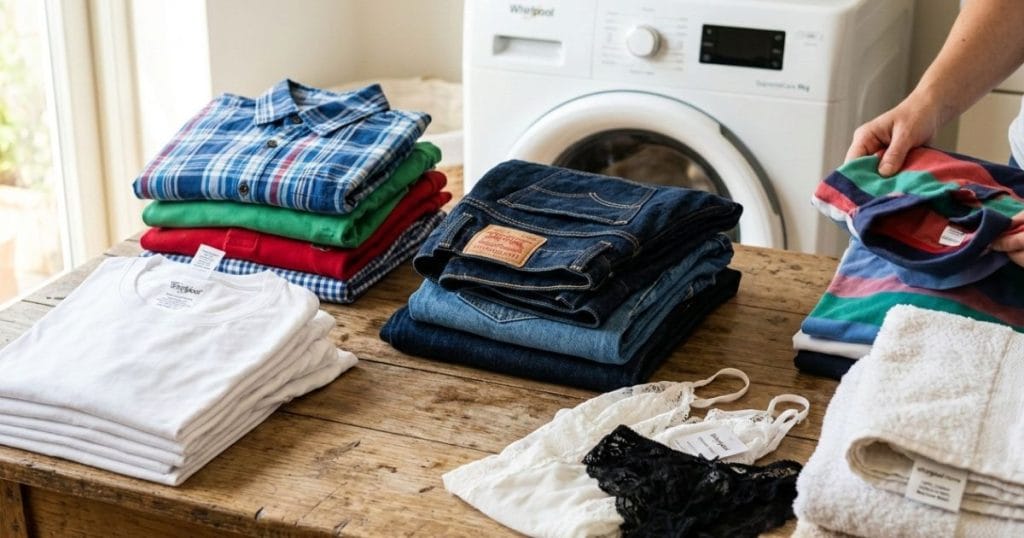
Even with the right Whirlpool cycle guide, laundry mistakes can happen:
- Overloading washer: Too many clothes reduce cleaning efficiency and may leave clothes wet after spinning.
- Wrong cycle choice: Delicate cycle on heavy fabrics leads to poor cleaning; heavy duty on delicate clothing can damage fibers.
- Ignoring care labels: Always check garment tags first for recommended cycles and temperatures.
Following these tips, along with the cycle guide, will make laundry day more predictable and effective.
Whirlpool Washing Machine Cycle Guide
Whirlpool washers offer a variety of cycles designed for everyday laundry needs — from cotton basics to heavy comforters. Understanding each setting helps you protect your clothes, reduce wear, and get the best cleaning results every time.
Keep fabric care labels and cycle charts handy, and use features like modifiers and temperature adjustments wisely. With this guide and your laundry mode selector tool, making laundry decisions becomes easier, faster, and smarter.
