
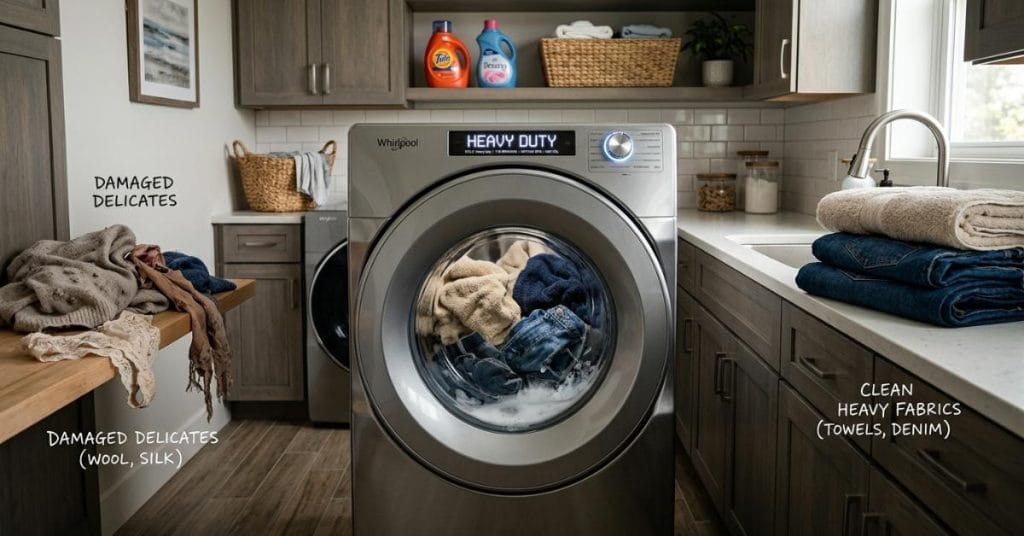
If you’ve ever looked at your washing machine and wondered whether to use “normal” or “heavy duty,” you’re not alone. Many people use the heavy duty wash cycle incorrectly, either skipping it altogether or overdoing it every time they wash clothes. Both of these mistakes can damage fabrics, waste energy, and shorten the life of clothes.
The truth is, the heavy-duty cycle setting on a washing machine is designed for a very specific purpose. When used correctly, it removes deeper dirt, sweat, oil, mud, and tough stains better than the regular cycle. But when used on the wrong types of fabrics, it can fade colors, weaken fibers, and shrink clothes faster than expected.
In this guide, I’ll explain everything in simple terms: what a heavy-duty wash cycle is, how long a heavy-duty wash cycle lasts, when to use it, when to avoid it, and how to protect your clothes while deep cleaning.
If you frequently wash towels, jeans, work clothes, bed sheets, sportswear, or heavily soiled clothes, understanding this cycle properly can completely transform the results of your laundry.
What is Heavy Duty Wash Cycle?
The Heavy Duty wash cycle is a powerful cleaning mode designed for thick fabrics and heavily soiled garments. For these heavier garments, the Heavy Duty wash cycle should be used instead of the regular cycle:
- Stronger drum agitation
- Longer washing time
- Higher spin speed
- More intense rinsing
- Extended soaking and cleaning phases
The goal is simple: remove stubborn dirt and deep stains that normal cycles often leave behind.
Most modern washing machines have a heavy-duty cycle, as many of today’s fabrics are more deeply ingrained with oil, sweat, and dirt than in the past. Sportswear, denim-blend fabrics, towels, and bed sheets often require more powerful cleaning.
A heavy duty cycle washing machine setting is commonly recommended for:
- Towels
- Jeans
- Work uniforms
- Bed sheets
- Hoodies
- Gym clothes
- Muddy clothes
- Pet bedding
- Kitchen fabrics
- Thick cotton items
However, this cycle is not suitable for soft or delicate clothes. Using it carelessly is one of the main reasons for clothes to lose their softness or deteriorate prematurely.
How Does the Heavy Duty Cycle Actually Work?
Many people think that the machine just “washes hard,” but several technical changes occur during the cycle.
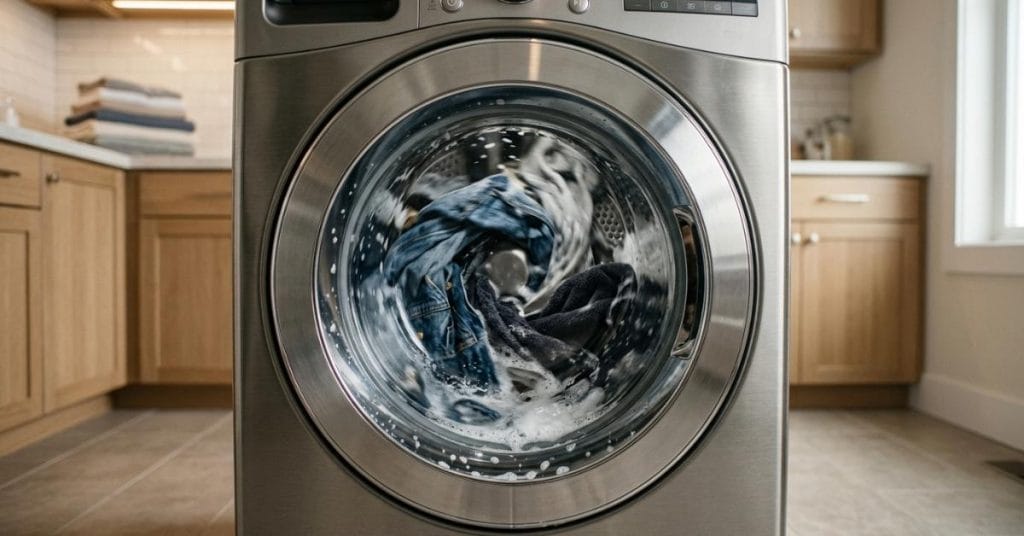
The washer increases the agitator intensity, which means the drum spins harder to loosen dirt trapped inside the fabric fibers. The contact time is also increased, which helps the detergent break down oil and stains more effectively.
The machine often increases the spin speed at the end of the cycle. This removes more water from thicker fabrics, which helps towels and jeans dry faster later.
Some washers also increase the rinse cycle in heavy-duty mode to remove excess detergent and dirt residue. This adjustment provides a deeper clean but puts more stress on the fabric fibers.
How Long Is Heavy Duty Wash Cycle?
One of the most common questions people ask is: How long does a heavy-duty wash cycle last? The answer depends on the brand of washing machine, the amount of laundry, and the level of dirt, but the duration of most heavy-duty wash cycles is as follows:
- 1.5 to 3 hours on standard washers
- 45 to 90 minutes on newer high-efficiency models
- Even longer when extra rinse or steam options are enabled
Compared to regular cycles, heavy-duty settings are intentionally slower, as they require longer soaking, agitating, and washing times for a deeper clean.
Many people think that a longer cycle automatically means a better clean. This is only partially true. A longer wash cycle helps remove stubborn dirt, but unnecessarily overwashing can also increase wear on fabrics.
That’s why it’s more important to choose the right mode than just choosing the most powerful option.
Heavy Duty Wash Cycle Time by Fabric Type
Different types of fabrics react differently to prolonged washing. Towels and thick cottons generally do best on a heavy wash cycle for a long time because their fibers are durable. Even denim can benefit from a vigorous agitator if it is heavily soiled.
But synthetic fabrics, stretchy athletic wear, and blended materials can quickly deteriorate if washed on a heavy wash cycle repeatedly.
For example:
- Towels → heavy duty works well
- Jeans → heavy duty works well occasionally
- Bedding → useful for deep cleaning
- Delicates → avoid completely
- Wool → never use heavy duty
- Silk → unsafe
- Activewear → only if extremely dirty
The problem is that many people use heavy duty mode as a “default” setting without considering fabric structure.
When You Should Use Heavy Duty Cycle
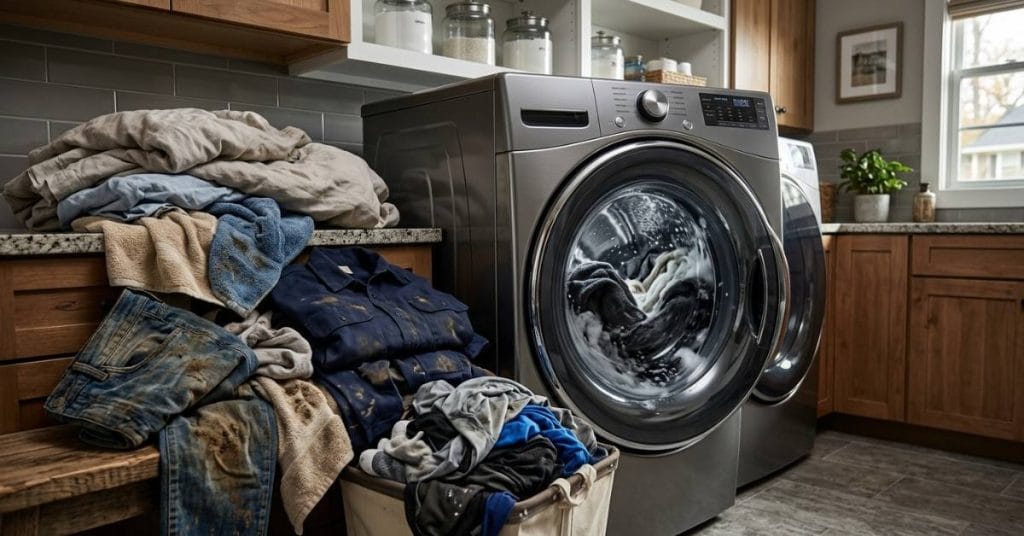
The heavy-duty cycle setting on a washing machine works best when clothes are really dirty, not just worn once. Situations that are suitable for heavy-duty washing include:
Towels and Bath Linens
Over time, towels absorb body oils, detergent residue, bacteria, and moisture. Heavy-duty towels help to deep clean these and restore their absorbency.
Work Clothes
Construction workers’ uniforms, mechanics’ clothing, gardening clothes, and industrial fabrics often have oil, dirt, and odors trapped deep within the fibers.
Muddy or Outdoor Clothing
Dust and dirt accumulate in clothes after hiking, playing sports, or working outdoors. These may not be completely removed by regular washing.
Bedding
Heavy duty mode can help wash thick comforters, bed sheets, and pillowcases more effectively, especially during allergy season.
Pet Fabrics
Pet bedding and blankets often accumulate hair, odors, and oils, which require more thorough washing to clean.
When You Should NOT Use Heavy Duty Cycle
This is where most laundry mistakes are made. Many people think that more powerful cleaning means the clothes will be cleaner. In reality, aggressive cycles can gradually degrade the quality of the clothes. Avoid heavy-duty mode in the following cases:
Delicate Fabrics
Delicate fabrics like silk, lace, chiffon, satin, and soft synthetic blends are made from light and sensitive fibers. These materials look elegant and feel soft to the touch because they are thinner and less durable than heavier cotton or denim. The problem with heavy-duty wash cycles is that they create intense agitation and high drum speeds. Instead of gently moving the fabric through the water, the washer wrings, rubs, and spins the fabric too vigorously.
Silk can lose its smooth weave and natural shine after repeated heavy-duty washes. Lace can tear or snag because the fabric has a fine thread pattern that can easily snag when spun at high speeds. Chiffon is especially vulnerable because it stretches and bends quickly at high speeds. Soft synthetic fabrics can also lose their shape over time, develop wrinkles that don’t completely come out, or become frayed.
Many people think the damage is immediate, but most fabric damage is gradual. A garment may look fine after a single wash but gradually lose its softness, fit, and beauty over months. This is why soft fabrics should almost always be washed on the delicate, hand-wash, or low-spin cycle rather than the heavy-duty mode.
Wool and Sweaters
Wool is one of the most sensitive fabrics for washing machines. The natural wool fibers react strongly to heat, friction, and movement. On the heavy-duty cycle, the washer creates a constant rubbing and twisting motion. This causes the wool fibers to become stiff and compressed together, a process called felting.
Once felted, sweaters become smaller, thicker, and stiffer. Unfortunately, this damage is usually permanent. Even expensive wool sweaters can shrink dramatically with just one incorrect wash cycle.
The heavy-duty cycle is especially dangerous because it combines three things that wool dislikes the most:
- Strong agitation
- Long washing time
- High spin speed
The longer a sweater is spun, the more stress is placed on its fibers. Additionally, wool absorbs a lot of water, making the garment heavier during spinning. This extra weight stretches the seams and weakens the fabric’s structure.
Even acrylic or blended sweaters can become distorted from over-washing. Sleeves can stretch unevenly, collars can lose their shape, and the fabric can quickly start to pill. For sweaters, using cold water on the gentle cycle is usually the safest option.
Stretch Fabrics
Stretch fabrics rely on elastic fibers to hold their shape. Leggings, yoga pants, gym wear, compression clothing, and activewear typically contain materials like spandex, elastane, or Lycra. These fibers are flexible, but they are sensitive to high friction and intense spinning.
Elastic fibers are repeatedly stretched and compressed during heavy-duty washing cycles. Over time, their elasticity weakens. This is why older leggings sometimes become loose near the knees or waist, even though the outside of the fabric looks normal.
Sweat, body oils, and detergent residue tend to be more deeply embedded in gym wear than regular clothing. Many people think that a more vigorous wash is necessary. But excessive shaking often damages the fabric’s stretch structure faster than dirt.
Another problem is heat buildup. Using hot water on a heavy-duty cycle for long periods of time can quickly break down elastic materials. Once the elasticity weakens, the garment will permanently lose its fitted shape.
This is why many athletic apparel brands specifically recommend using the Gentle or Sportswear cycle instead of the Heavy-Duty mode.
Lightly Worn Clothes
One of the biggest mistakes in washing clothes is using the heavy-duty mode for lightly used clothes. Many clothes don’t really get dirty after a single wear. They may only have a little sweat, dust, or a slight odor. In these situations, using an aggressive cycle causes unnecessary damage to the clothes.
Each wash gradually damages the fibers of the clothes. The heavy-duty cycle exacerbates this damage, as it washes for a long time, spins vigorously, and uses more friction. If the clothes aren’t very dirty, this extra cleaning power will do little good, but will actually increase wear and tear on the clothes in the long run.
This also affects utility costs. Heavy duty cycles usually consume more:
- Water
- Electricity
- Detergent
- Drying energy
Over time, unnecessary overwashing shortens the life of clothes and increases household expenses. For everyday shirts, office wear, lightly worn jeans, or casual wear, the Normal or Eco cycle is often sufficient.
Many people mistakenly believe that “a stronger wash means cleaner clothes,” but choosing the right cycle is actually more important than the highest washing power.
Dark Colored Clothes
Dark-colored clothing fades as the fabric slowly loses its color during washing. Heavy-duty cycles speed up this process because they are exposed to more friction, water, and detergent for longer.
When dark-colored clothing rubs vigorously against other fabrics inside the drum, tiny particles of color are loosened from the fabric. High-speed spinning increases this friction. Over time, black clothing turns gray, navy blues become dull, and dark colors lose their brightness.
Cotton fabrics fade especially quickly because their fibers absorb and release color easily when washed vigorously. Heavy-duty cycles with hot or warm water accelerate this fading process.
Another common problem is surface erosion. As fabric fibers weaken, clothing begins to reflect light differently, causing colors to appear older and faded.
To protect dark clothing:
- Wash inside out
- Use cold water
- Avoid excessive detergent
- Choose normal or dark-colore cycles
- Avoid unnecessary heavy-duty washing
Dark clothing usually lasts much longer when washed gently.
Many Laundry Problems Are Actually Cycle Problems
Many people blame the detergent when clothes shrink, fade, stretch, or become wrinkled. But in reality, the real cause is often incorrect washing methods.
Using the wrong cycle repeatedly creates problems like:
- Fabric thinning
- Color fading
- Elastic damage
- Shrinking
- Rough texture
- Pilling
- Shape distortion
There’s a reason why modern washing machines have multiple modes. Different types of fabrics require different speeds, amounts of water, and spin speeds.
The heavy-duty cycle is great for towels, bed sheets, work clothes, and heavy, heavily soiled fabrics. But using it every time you wash your clothes can slowly degrade the quality of your clothes.
The safest bet is to choose a wash cycle based on the type of fabric and the amount of soil, rather than always choosing the strongest setting.
Why Clothes Get Damaged in Heavy Duty Mode
The biggest problem is friction. With increased use, the friction between fabrics increases. Thicker fabrics can usually withstand this better, but softer fabrics weaken over time.
Common problems include:
- Fading
- Shrinking
- Pilling
- Stretching
- Fiber breakdown
- Loss of softness
High spin speeds also stress the fabric’s seams and elastic fibers. That’s why laundry experts recommend matching cycles based on both the type of fabric and the level of soiling, rather than just the amount of dirt.
Heavy Duty vs Normal Wash Cycle
Many people confuse these two settings. Normal mode is designed for everyday clothes with moderate soil. It uses balanced agitation and medium spin speed. Heavy Duty mode is more powerful, longer-lasting, and more effective. The real difference is:
| Feature | Normal Cycle | Heavy Duty Cycle |
|---|---|---|
| Wash Time | Shorter | Longer |
| Agitation | Moderate | Aggressive |
| Spin Speed | Medium | High |
| Best For | Daily clothes | Thick dirty fabrics |
| Fabric Stress | Lower | Higher |
| Water Usage | Moderate | Higher |
| Cleaning Strength | Standard | Deep cleaning |
Normal mode is safer for most everyday clothing. Heavy duty mode should be used strategically, not automatically.
Does Heavy Duty Cycle Use More Water and Electricity?
Yes, in most cases. Since this process takes longer and often involves vigorous scrubbing, heavy-duty mode typically costs more:
- More electricity
- More water
- More detergent
- More machine wear
That’s another reason why overusing it is inefficient. Many households mistakenly increase their utility bills because they assume that “powerful wash” means “good cleaning.”
In reality, washing clothes on the right cycle saves more money in the long run, as it makes clothes last longer and reduces the need for rewashing.

How to Use Heavy Duty Cycle Properly
The safest way is to balance. Separate heavy items from thin items before washing. Avoid mixing light items with towels. Use the correct amount of detergent and avoid overloading the drum.
Overloading is especially harmful during heavy-duty cycles, as it makes it harder for the machine to clean evenly and puts more strain on the motor and clothes.
Unless sterilizing is needed, cold or lukewarm water is generally safer than hot water. Heavy-duty agitation with hot water is one of the fastest ways to shrink cotton fabrics.

Smart Laundry Tools Make Cycle Selection Easier
One of the biggest problems today is that modern washing machines have too many settings, and most people end up guessing.
That’s why tools like Washly Laundry Mode Selector are so useful. Instead of randomly choosing between Normal, Heavy Duty, Delicate, or Quick Wash, this tool helps recommend the right cycle based on the following factors:
- Fabric type
- Soil level
- Load size
- Temperature preference
- Spin intensity
Washely’s tool helps to reduce fabric damage while increasing cleaning accuracy. Users can choose settings according to the actual washing situation, rather than relying on habits.
This is especially helpful when washing different types of fabrics or expensive garments.
Common Heavy Duty Wash Cycle Mistakes
One of the biggest mistakes is using heavy-duty detergent every time you wash clothes just because they “feel cleaner.”
Another common mistake is washing soft or thin clothes together with towels or jeans. The friction of the heavy fabric can damage soft clothes.
Using too much detergent is also a problem. Washing clothes for a long time will already clean them deeply, and excess detergent residue can get trapped inside the fibers of the clothes.
Many people also ignore the spin speed settings. Spinning clothes at an excessively high speed can reduce drying time, but it also increases stress on the clothes.
Washing clothes is not just about removing dirt; its main purpose is to effectively clean and protect the clothes.
Final Thoughts
Understanding the heavy-duty wash cycle is essential if you want cleaner clothes without damaging your clothes.
The heavy-duty cycle setting on your washing machine is powerful and effective, but it should be used sparingly. Towels, jeans, bed sheets, work clothes, and heavily soiled items benefit the most from it. Soft fabrics, woolens, stretchy fabrics, and lightly used items generally don’t do well on it.
If you’ve ever wondered what a heavy-duty wash cycle is, how long it lasts, or when to use it properly, the answer is always the same: match the cycle to the type of fabric and the amount of soil.
Instead of guessing, following well-organized instructions can help protect fabrics, reduce energy waste, and improve laundry results in the long run.