
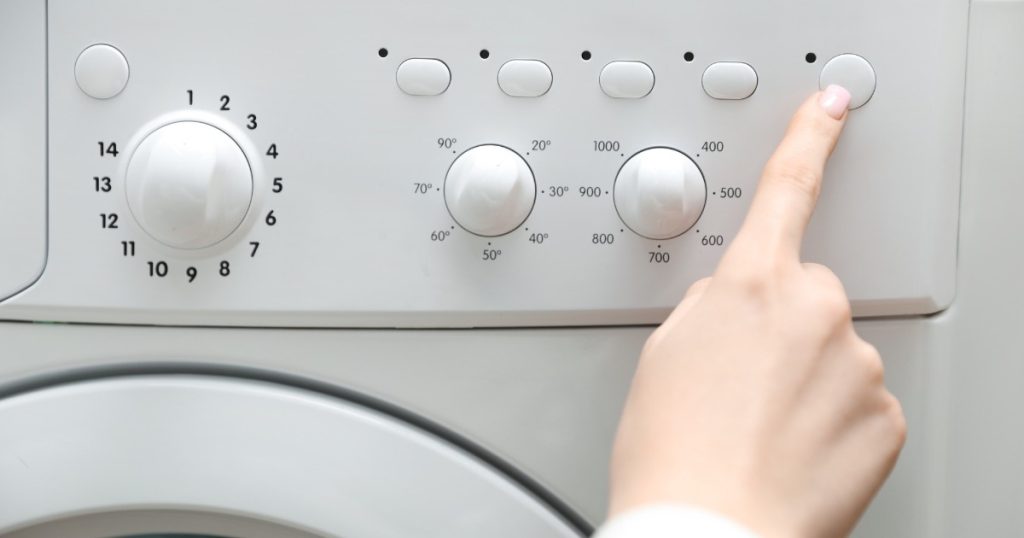
Modern washing machines have multiple wash modes, but most people still only use one or two settings each time. The result? Clothes fade faster, fabrics get damaged, and energy is wasted. Understanding washing machine modes is no longer optional – it directly affects the life of clothes, wash quality, and utility bills. This guide explains washing machine modes in simple language so you can choose the right cycle every time.
Why Washing Machine Modes Matter More Than You Think
Each washing machine mode is based on three technical factors: drum movement, water temperature, and spin speed. When these don’t match the type of fabric or soil level, the clothes are damaged. Heavy clothes washed on a gentle cycle stay dirty, while delicate clothes washed on an aggressive cycle lose their shape. That’s why it’s essential to understand washing machine modes before you press the start button.
Many users guess instead of selecting the mode correctly. Your laundry mode selector tool is designed to eliminate this guesswork.
Where you Easily select your washing machine brand, fabric type, soil level, and load size to get the best wash settings instantly. Our AI Laundry Mode Selector tool will recommend the ideal wash cycle, water temperature, spin speed, drying method,d and detergent amount. Suitable for cotton, fine wool, jeans, baby clothes, Mat/Rugs and synthetic fabrics. Save energy, protect clothes, and take the stress out of laundry!
Normal Wash Mode Explained
Normal mode is the most commonly used washing machine setting. It uses moderate drum movement, a balanced water level, and a medium spin speed. This mode works best for everyday clothes like cotton shirts, trousers, and mixed loads that are not heavily soiled.
However, the normal mode is often overused. Using it for delicate or heavily soiled clothes can increase washing efficiency, but it also damages the fabric over time. If you’re not sure if Normal mode is enough, a laundry mode selector tool can confirm whether your clothes need a more powerful or gentle cycle.
Heavy Duty Mode Explained
The Heavy Duty mode is designed for thick, heavily soiled fabrics like towels, jeans, bed sheets, and work clothes. This cycle uses a higher spin speed to remove heavy, stubborn dirt and deep-seated dirt during the wash.
A common mistake is using the Heavy Duty mode too frequently. While effective, it stresses fabrics and uses more water and electricity. Heavy Duty should only be used when necessary, not as a default setting.
Delicate Wash Mode Explained
The Delicate mode is designed for fabrics that are prone to stretching, tearing, or losing their shape. Silk, lace, wool blends, and lightweight synthetic fabrics benefit from this gentle cycle. It uses a slower drum movement, lower spin speed, and shorter wash duration.
Skipping the Delicate mode is one of the biggest reasons clothes get ruined in the washing machine. If your fabric label says “gentle wash,” this mode—or the tool-recommended equivalent—is the right choice.
Quick Wash Mode Explained
The Quick Wash mode is designed for lightly soiled clothes that don’t need a deep clean, but rather a freshening up. It uses less water, less time, and a faster drum motion. This mode is ideal for gym clothes worn once or clothes that have been worn for a few hours.
Using Quick Wash is ineffective for heavily soiled clothes. It may save time, but it won’t clean properly. A washing machine mode calculator or selector tool can help you determine when Quick Wash is actually appropriate.
Eco Mode Explained
Eco mode focuses on reducing water and electricity usage. It typically operates at lower temperatures and has longer wash times. While Eco mode saves energy, it is not ideal for greasy or heavily soiled clothes.
Eco mode works best when the type of fabric and the level of soiling are properly matched. Otherwise, clothes may come out partially clean, causing users to try to rewash and waste more resources.
Rinse and Spin Mode Explained
The Rinse & Spin mode is not a complete wash cycle. It is used when clothes are already washed but need additional rinsing or spinning. This mode is effective for removing detergent residue, especially for people with sensitive skin.
This mode will not clean clothes if used incorrectly. It serves a specific purpose and should only be used when necessary.
Hand Wash or Wool Mode Explained
This mode simulates gentle hand washing using minimal agitation and a very low spin speed. It is ideal for wool, sweaters, and garments labeled “hand wash only.”
Many people avoid this mode due to confusion, but it is one of the most fabric-friendly cycles on modern washing machines.
The Real Problem: People Choose Modes by Guessing
The biggest problem isn’t the lack of washing machine modes – it’s choosing the wrong one. Most users don’t factor in the type of fabric, the level of dirt, or the size of the load. This is where guesswork can lead to long-term damage.
This is exactly why using the Laundry Mode Selector tool makes sense. Instead of guessing, the tool analyzes:
- Fabric type
- Soil level
- Load size
Then it automatically recommends the most suitable washing machine mode.
How a Laundry Mode Selector Tool Improves Wash Results
The Laundry Mode Selector tool acts as a decision guide. You input basic information about your clothes, and it tells you which wash cycle is safest and most effective. This prevents damage to fabrics, improves cleaning quality, and reduces unnecessary energy use.
For those who frequently switch between different fabrics – cotton, denim, delicates – the tool eliminates confusion and saves time.
When You Should Use a Washing Machine Mode Calculator
You should rely on your washing machine mode calculator or selector tool when:
- You are washing mixed fabrics
- You are unsure between normal and heavy-duty
- Clothes are expensive or delicate
- You want to reduce water and electricity usage
In short, whenever the choice is not clear, the tool ensures accuracy.
Understanding washing machine modes is the foundation of proper laundry care. Each mode has a specific purpose, and using the wrong mode has real consequences for clothes and costs. Rather than relying on habit or guesswork, learning how each mode works – and using the Laundry Mode Selector tool when necessary – produces better wash results and longer-lasting clothes.
This page will serve as your reference point for washing machine modes, while the tool will help you correctly apply that knowledge in real life.