
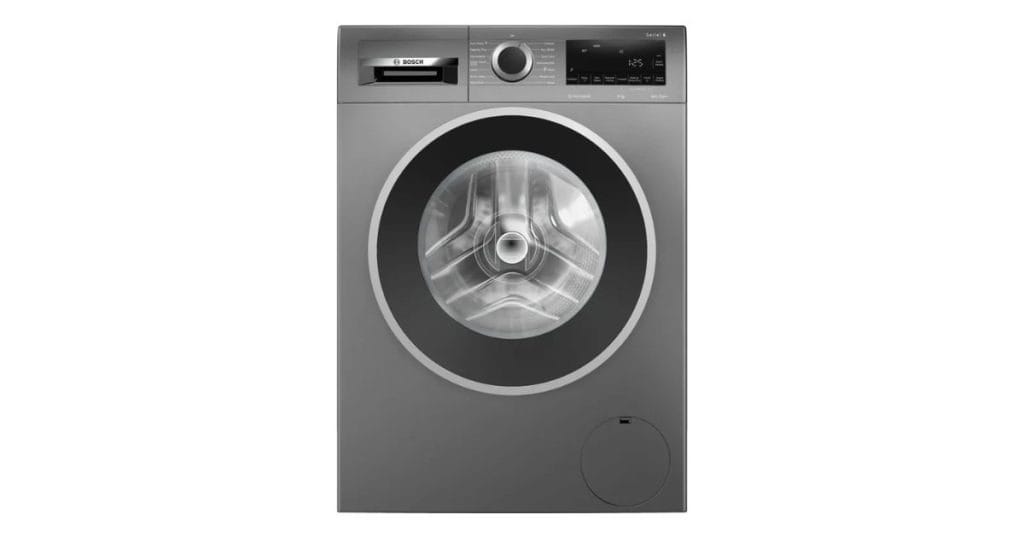
If you own a Bosch washer, you already know that this brand has a strong reputation for reliability and efficiency. Bosch is known worldwide for its durable home appliances. But even high-quality machines can develop problems over time.
In this detailed guide, we’ll break down common Bosch washing machine faults, explain why they happen, and show you how to fix them step by step. Whether you’re having drainage problems, error codes, spinning problems, or water leaks, this guide will help you troubleshoot with confidence.
Why Do Bosch Washing Machines Develop Faults?
Before getting into specific problems, it’s important to understand some practical points: Most washing machine problems are not caused by manufacturing defects. They usually occur because of:
- Hard water buildup
- Overloading
- Poor maintenance
- Blocked filters or hoses
- Electrical fluctuations
Many homeowners think the problem is minor, and then they want to fix the appliance quickly without knowing what the problem is. The main reason is that you need to first understand where the problem is and why it is happening.
Now let’s take a deeper look at what are the most common problems with Bosch washers and how to solve them.
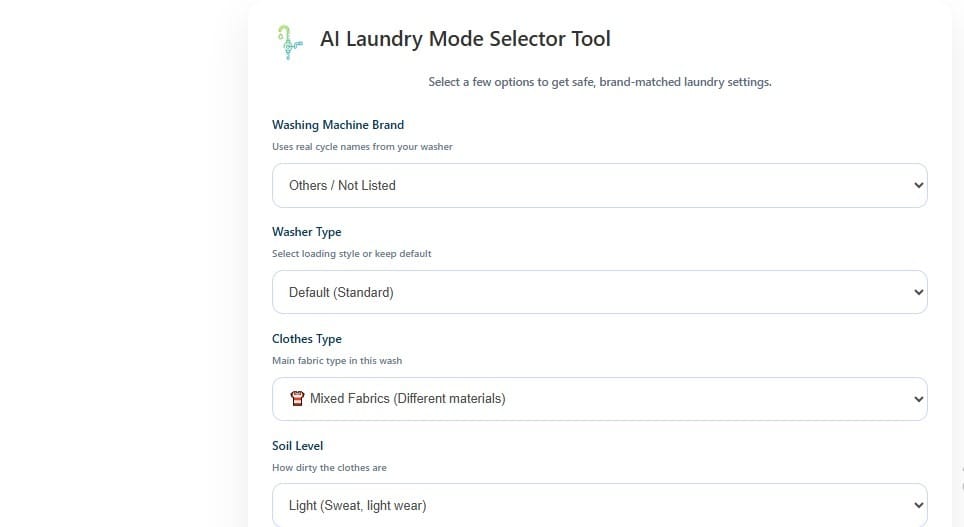
Laundry Mode Selector Tool
If you’re often confused about which washing machine setting to use, your laundry mode selector tool has an instant solution. Instead of guessing between Normal, Delicate, Heavy Duty, or Quick Wash, the tool gives you the right mode based on fabric type, soil level, load size, and season.
You simply select the garment material (such as cotton, wool, polyester, or blended), choose how dirty the clothes are, and enter basic load details. Within seconds, the tool recommends the safest and most effective washing machine mode. It also suggests ideal water temperature, spin speed, and detergent type.
It prevents fabric damage, color fading, shrinkage, and unnecessary energy waste. Over time, using the right mode increases the lifespan of your washer and reduces the risk of repairs. Instead of trial and error, you make data-driven decisions.
If you want clean clothes, lower electricity bills, and fewer washing mistakes, this tool makes the process easy and smart.
1. Bosch Washing Machine Not Draining Properly
One of the most common faults with Bosch washing machine units is drainage problems. You can notice if there is water accumulating in the drum after the wash cycle is complete.
Why It Happens
In most cases, the problem is a clogged drain pump filter. Coins, lint, hairpins, and small clothing items can clog the filter and restrict water flow. Other possible causes include:
- Blocked drain hose
- Faulty drain pump
- Kinked hose behind the machine
How to Fix It
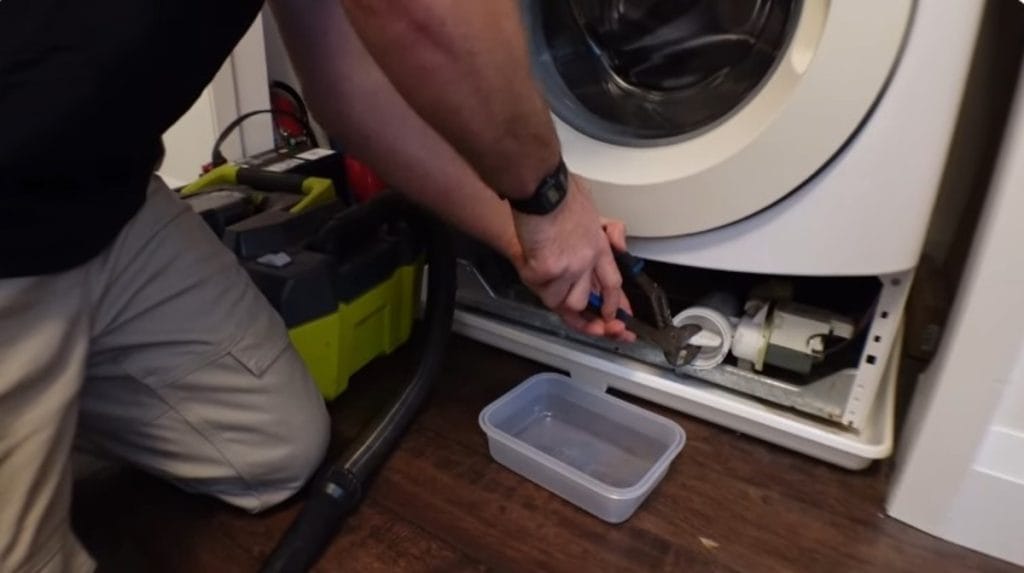
Start by opening the machine. Open the small access panel on the bottom and locate the drain pump filter. Place a towel and a shallow tray underneath before removing it. Clean out the debris thoroughly.
If the filter is clean but the washer still won’t drain, check the drain hose for a blockage. Only consider replacing the pump if both the filter and hose are clean and the pump is making unusual noises. Drainage problems are often simple maintenance issues, not mechanical failures.
2. Bosch Washer Not Spinning
Another frequent complaint is that the Bosch washing machine is not spinning, or clothes come out soaking wet.
Possible Causes
An unbalanced load is the most common cause. Bosch washers are designed to stop spinning if the drum detects uneven weight distribution. Other causes may include:
- Worn carbon brushes
- Faulty motor
- Drive belt damage
- Control board issue
What You Should Do
First, redistribute the clothes evenly inside the drum. Avoid washing heavy items like blankets.
If the problem persists, pay attention to the noise of the motor. If the drum does not move at all, the motor brushes may be worn out. This is more common in older Bosch models.
If you see an error code with a Bosch washing machine spinning problem, read the manual to decode it before replacing any parts.
3. Bosch Washing Machine Leaking Water
Water leaks are caused by pressure and can damage floors and nearby cabinets.
Common Leak Sources
Leaks usually come from:
- Door seal (rubber gasket) damage
- Loose hose connections
- Overfilled detergent drawer
- Cracked inlet hose
The door seal is particularly vulnerable. Small objects like burr wire or sharp zippers can pierce it.
How to Diagnose
Dry the machine completely and run a short cycle while observing carefully. First, identify where the water is leaking.
If the water is leaking from the front door, carefully check the gasket. If it is leaking from the back, check the hose connections.
Replacing the gasket is more cost-effective than replacing the entire machine. Acting early can prevent major problems.
4. Bosch Washing Machine Not Turning On
When the machine doesn’t start at all, it seems serious. But don’t assume it’s bad beforehand.
Possible Reasons
- Power outlet issue
- Blown fuse
- Faulty door lock
- Control board malfunction
The Bosch washer will not start if the door lock is closed. This safety feature prevents accidents.
Practical Fix
First, test the wall outlet with another appliance. If the power is OK, check to see if the door clicks properly when you close it.
If the display is blank, a professional washing machine mechanic may be needed, as electrical skills are required to repair the control board.
5. Bosch Washer Showing Error Codes
Modern Bosch machines display error codes when something goes wrong. These codes are helpful, not scary. Some common Bosch washing machine error codes include:
- E18 (drainage problem)
- E17 (water supply issue)
- E23 (water leak detected)
Always look up your exact model number before troubleshooting. Error codes narrow down the problem and prevent guesswork. Ignoring error codes can worsen minor issues over time.
6. Excessive Vibration and Noise
If your Bosch washer is shaking violently or making a loud banging noise, don’t ignore it.
Why It Happens
Most vibration problems are caused by improper installation. If the machine is not level, it will vibrate during the spin cycle. Other causes include:
- Worn shock absorbers
- Broken drum bearings
- Transport bolts not removed (in new machines)
Fixing the Problem
Use a spirit level to check that the washer is level. Adjust the feet if necessary.
If the noise sounds like metal grinding, the drum bearings may be worn out. This repair can be expensive and may not be worth it on older units.
7. Bosch Washing Machine Not Filling With Water
When the drum remains dry after starting the cycle, it is usually a water supply problem.
Common Causes
- Closed water tap
- Blocked inlet filter
- Faulty water inlet valve
Hard water areas are often caused by sediment buildup in inlet filters.
Solution
Turn off the water supply and remove the inlet hose. Clean the small mesh filter inside. Reconnect everything securely. If the problem persists, the inlet valve may need to be replaced.
8. Bad Smell Inside the Washer
One of the most overlooked problems with Bosch washing machines is a smelly washing machine.
Why It Happens
Front-loading washers are more likely to develop mold because moisture gets trapped in the rubber seals. Detergent residue also builds up over time.
How to Prevent It
Run an empty, hot washing machine once a month with white vinegar or washer cleaner. Leave the door slightly open after each wash to allow air to circulate. Regular maintenance dramatically reduces long-term defects.
9. Door Won’t Open After Cycle
It can be annoying if the door remains locked after a wash. Bosch washers keep the door locked until the water is completely drained and the interior temperature has dropped. If the door still won’t open after a few minutes, check:
- Whether water remains in the drum
- If the drain system is blocked
- If the door lock mechanism is faulty
Never force the door open. That will damage the locking system.
Preventing Common Faults With Bosch Washing Machine
Many of these problems can be avoided with simple habits.
Avoid overloading. Clean the filter every few months. Use the right type of detergent. Install a voltage stabilizer if your area has unstable electricity. Regular care extends the life of your washer and significantly reduces repair costs.
When Should You Call a Professional?
DIY troubleshooting works for drainage, cleaning, leveling, and minor pipe problems. But call a technician if:
- You smell burning
- The machine trips your breaker repeatedly
- The control board fails
- The motor stops functioning completely
Electrical repairs should not be attempted without proper knowledge.
Extra Tips
Although Bosch appliances are made to a high standard, no washing machine is immune to breakdowns. The key is to identify problems early and take action before minor issues turn into costly repairs.
Most common faults with Bosch washing machine units are maintenance-related rather than serious mechanical failures. With proper cleaning, balanced loads, and regular inspections, your washing machine can last for more than a decade.
If you encounter a specific problem and are unsure whether it is minor or serious, describe the symptoms clearly before replacing parts. A careful diagnosis always saves money and frustration.
A well-maintained washing machine doesn’t just clean clothes – it protects your investment.