
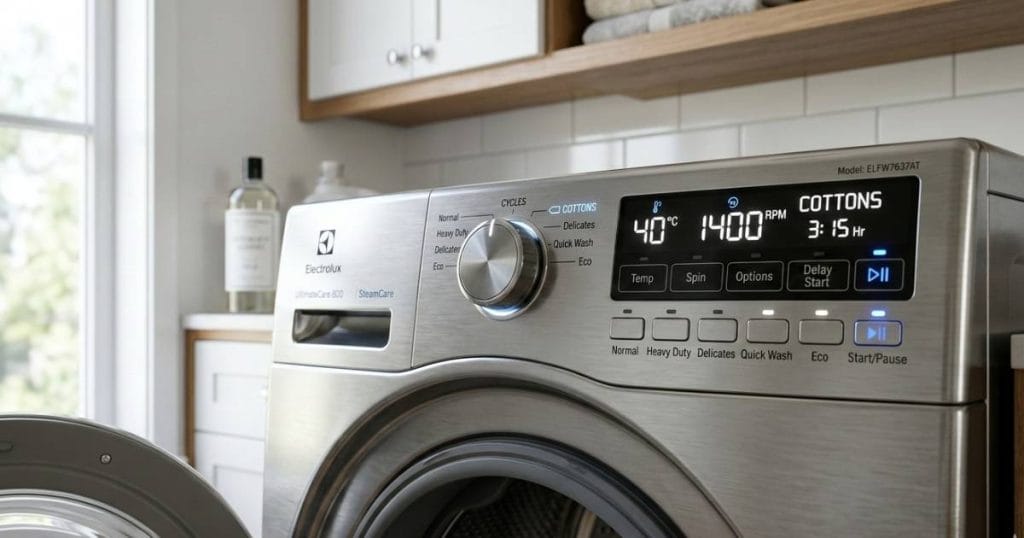
If you’ve ever stood in front of your washer and stared at the dial, unsure whether to choose Normal, Heavy Duty, or Delicates, you’re not alone. Modern washers are powerful, efficient, and packed with technology—but they can also seem confusing. This guide to Electrolux washing machine cycles explained is designed to clear up that confusion and help you choose the right setting for every load with confidence.
Electrolux washers are known for their advanced fabric care systems, smart sensors, and energy efficiency. But the real performance difference comes down to understanding how each cycle works, what temperature to use, and how spin speed affects your clothes. When you understand these basics, you prevent shrinkage, protect delicate fibers, and extend the life of your clothes.
Let’s break it all down into simple, practical terms.
How Electrolux Cycles Work
When we talk about the explanation of Electrolux washing machine cycles, we are actually talking about three main elements working together: wash speed, water temperature, and spin speed. Each cycle is programmed to balance these factors differently depending on the type of fabric and the level of soil.
Electrolux front-load washers typically use a tumbling motion instead of an agitator. This is gentle on fabrics and provides powerful cleaning power. Sensors detect the load size and automatically adjust the water level, improving efficiency and protecting clothes from overwashing.
The main difference between cycles isn’t just the time – it’s how aggressively the drum moves, how hot the water is, and how fast the final spin goes.
Using the Laundry Mode Selector Tool
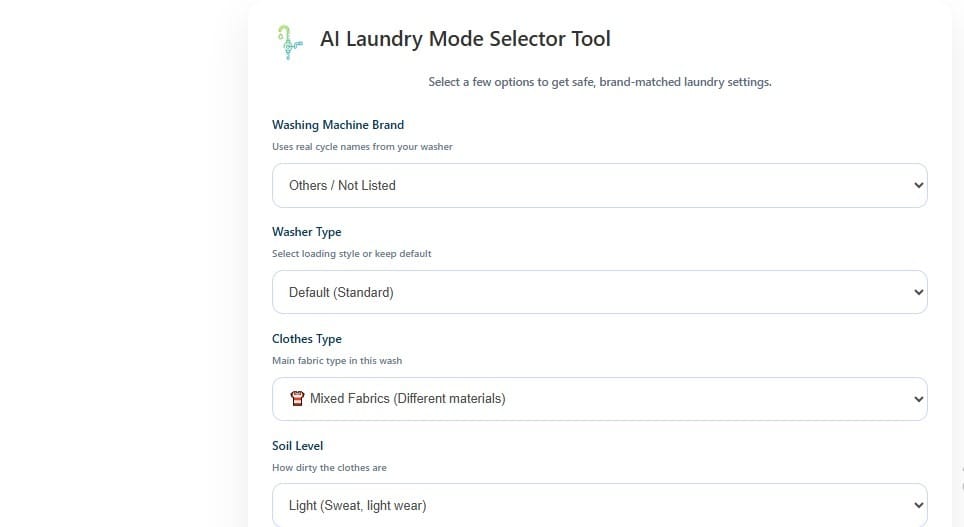
To make cycle selection easier, our Laundry Mode Selector tool helps you choose the perfect setting in seconds. This smart guide tells you about fabric type, soil level, and color to help you make easy choices.
Based on your options, it recommends the ideal cycle, temperature, and spin speed. The tool is designed to take the guesswork out of washing and prevent costly laundry mistakes. Whether you’re washing cotton towels, mixed fabrics, or delicates, this assistant helps you match the settings precisely. It’s especially helpful for busy families who want consistent, professional-level laundry results without trial and error.
Cotton Fabrics Choosing the Best Mode
Cotton is one of the most common fabrics in American households, but not all cotton items should be washed the same. A thick cotton bath towel is very different from a light cotton T-shirt.
For heavier cotton items like towels, jeans, and bedding, the Cotton or Heavy Duty cycle is usually best. This cycle uses a strong tumbling action and a high spin speed to remove moisture effectively. Warm or hot water works best for white cotton towels, especially when sanitation is important.
For light cotton T-shirts, casual tops, and everyday clothing, the Normal or Eco cycle is usually safe. Warm water is ideal for most everyday cotton garments, while cold water works best for colored cottons to prevent fading.
If you are washing cotton blends, especially cotton-poly blends, choose a Normal or Permanent Press cycle to avoid additional wrinkles.
A mistake many people make is using hot water for all cottons. While cotton is durable, repeated hot washing can weaken the fibers and cause shrinkage over time.
Heavy Duty Cycle When to Use It
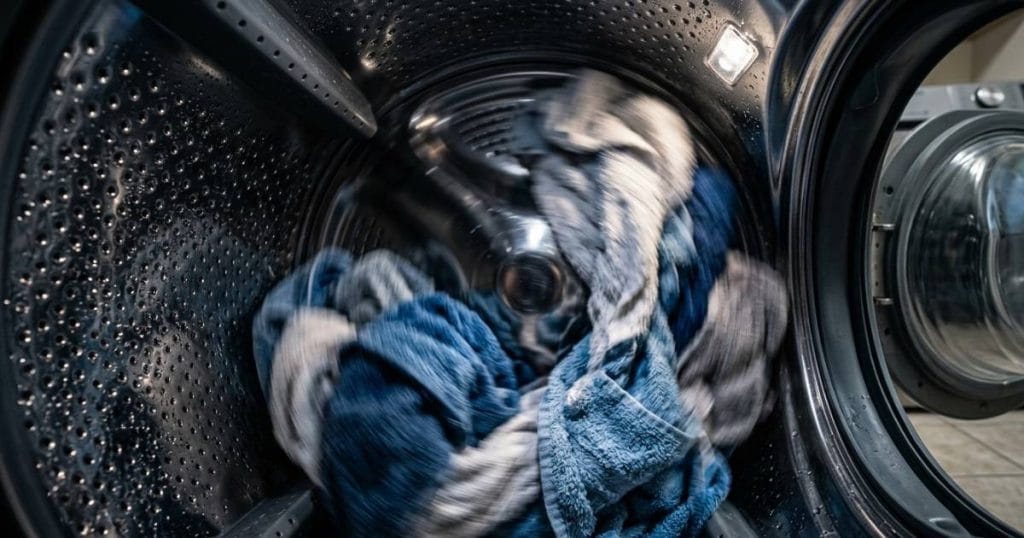
The Heavy Duty cycle is designed for heavily soiled items. Consider muddy work clothes, sportswear, or thick towels. This cycle increases agitation time and often uses a higher spin speed to remove more water.
Due to its intensity, it is not suitable for delicate fabrics. Using Heavy Duty on lightweight garments can cause premature fading and stretching. This is where understanding the compatibility of your fabrics becomes essential.
Electrolux washers are designed to maintain the integrity of fabrics, but selecting the wrong cycle can also shorten the life of a garment.
Delicates and Hand Wash Settings
Delicate fabrics such as lace, silk blends, light synthetics, and thin cottons should be washed using the Delicates cycle. This setting uses a slower drum movement and a lower spin speed.
Cold water is generally recommended for delicate fabrics. High temperatures can break down delicate fibers and cause shrinkage or distortion.
If you have lingerie or special items, placing them in a mesh laundry bag provides extra protection during the cycle.
A common mistake is to assume that Delicates means less cleaning. In reality, it simply adjusts the mechanical intensity and provides proper cleaning.
Spin Speed Explained in Simple Terms
Spin speed, measured in RPM (revolutions per minute), determines how much water is removed during the final spin. Higher RPM means drier clothes, but more stress on the clothes.
Electrolux front-load washers often reach 1200 to 1400 RPM. High spin speeds are great for towels, jeans, and heavy cotton loads because they reduce drying time. However, delicate fabrics tend to stretch at lower spin speeds.
If your clothes come out excessively wrinkled, a high spin speed may be the cause. Lowering the RPM slightly can make a noticeable difference in the appearance of the clothes.
Temperature Recommendations for Best Results
Water temperature plays a key role in cleaning performance and fabric protection. Cold water is best for dark colors, delicate fabrics, and lightly soiled fabrics. It prevents fading and saves energy.
Hot water works well for everyday cotton clothing and blended fabrics. It balances cleaning power with fabric protection.
Hot water is ideal for white towels, bedding, and heavily soiled cotton items where sanitation is important. Modern detergents are designed to work best in cold water, so hot washes are no longer necessary for most items.
Quick Wash Convenience Without Compromise
The Quick Wash cycle is suitable for lightly soiled clothes that need a fresher wash than a deep clean. This cycle reduces wash time and is energy efficient.
However, it is not suitable for heavily soiled clothes. Using Quick Wash on heavily soiled clothes can leave residue. If you want speed without sacrificing results, keep the load small and choose the right temperature.
Fabric Compatibility Matching Cycle to Material
Selecting the right cycle requires matching the mechanical intensity to the strength of the fabric.
Heavy cotton towels require strong action and high spin. Light cotton T-shirts require medium settings. Synthetic athletic wear has cold water and medium spin options. Delicate fabrics require gentle tumbling and low spin speeds.

Common Laundry Mistakes to Avoid
A big mistake is overloading the washer. Even advanced machines need space for proper tumbling. Overloading reduces cleaning efficiency and increases damage.
Another common problem is using too much detergent. Excess soap causes buildup and prevents proper washing.
Ignoring fabric care labels is also risky. Even the best cycle can’t override the manufacturer’s fabric guidelines. Finally, mixing heavy and delicate fabrics in the same load causes uneven cleaning and potential damage.
Wash Smarter, Not Harder
Understanding Electrolux washing machine cycles isn’t just about knowing the name of the dial. It’s about learning how fabric type, spin speed, and temperature interact to protect your clothes.
Cotton towels thrive on high heat and intense spin. Every day, cotton shirts prefer warm water and medium RPM. Delicates require gentle care and low speed. Selecting the right cycle extends the life of clothes, improves cleaning results, and reduces energy waste.
When you combine the right cycle knowledge with smart tools and good habits, laundry takes the guesswork out of it and becomes a system that works efficiently every time.
Master your washer, protect your clothes, and make every load count.