
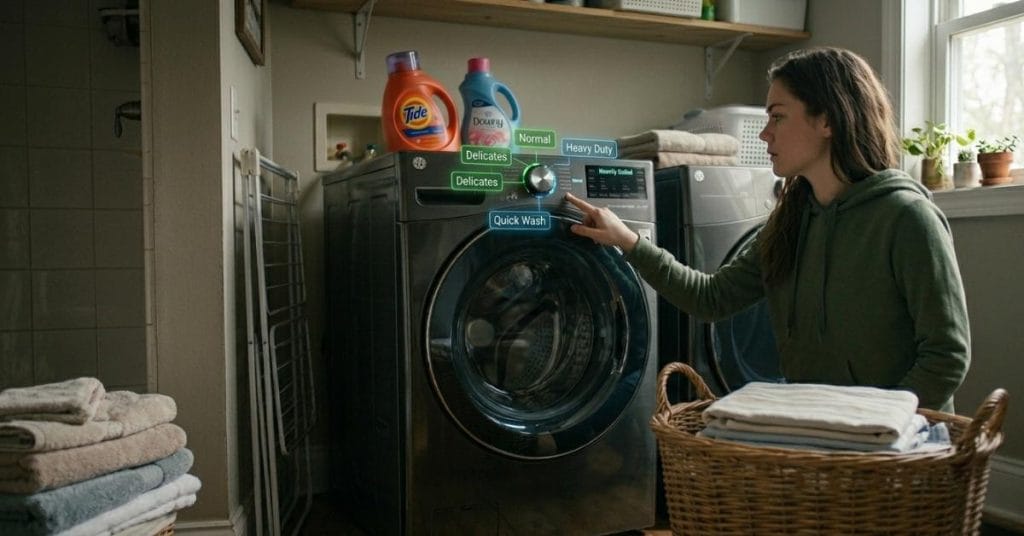
The performance of a washing machine depends on which cycle you choose. Most people load their clothes into the machine, press the start button, and expect perfect results. But then, when the clothes come out dirty, overly wet, or even damaged, the problem may seem like the machine, but the real problem is often not the machine but the wrong cycle selection.
If you use a GE washer and don’t fully understand its cycles, you’re missing out on its true potential. This guide explains the GE washing machine cycles in a practical and easy way, so you not only know the names, but also when and why to use each one.
Why Understanding GE Washing Machine Cycles Matters
GE washing machines are designed with multiple cycle options to handle different types of fabrics, levels of soil, and loads of laundry. But here’s the problem: Most users use one default cycle for everything.
This habit leads to the following problems:
- Clothes are not getting fully clean
- Excessive wear and tear
- Longer cycle times than necessary
- Repeated errors like imbalance or drainage issues
When you understand how each cycle works, you not only improve washing results but also prevent common problems like GE washing machines not draining or excessive vibration.
Confused about which laundry mode to use? You’re not alone. Choosing the wrong setting is one of the biggest reasons clothes don’t come out clean—or worse, get damaged.
Our Laundry Mode Selector Tool takes the guesswork out. Just select your fabric type, load size, and dirt level, and instantly get the best washing mode for your machine. It’s fast, simple, and designed to help you avoid common mistakes, save time, and get better results every wash.
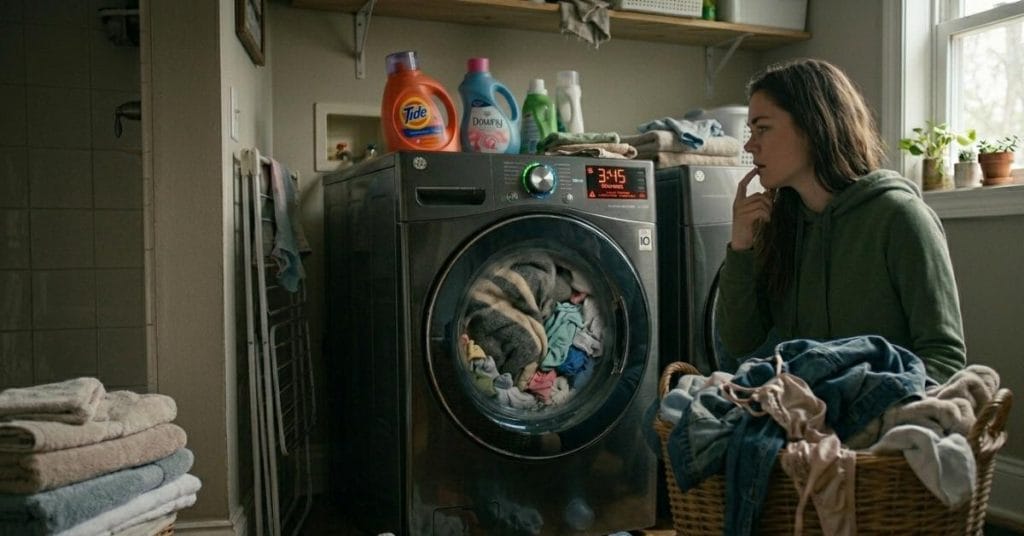
Normal Cycle: The Most Used, Most Misused Option
The Normal cycle is designed for washing everyday clothes—such as cottons, mixed fabrics, and moderately soiled items. It uses a balanced combination of wash motion, water level, and spin speed.
In reality, many people put extra clothes on this cycle or use it to wash heavy items like blankets. And that’s where the problem starts. The machine struggles to balance the clothes, which can cause the machine to wobble or not spin completely.
If your clothes come out wetter than expected, it may not always be a drainage problem—it could also be due to improper use of the cycle.
Heavy Duty Cycle: Power Comes With a Cost
The heavy-duty cycle is designed primarily for washing tough fabrics like jeans, towels, and heavily soiled clothes. It has a strong agitator and a long wash time.
But the mistake many users make is this: they think it will clean better for normal clothes, so they use this cycle. In reality, it:
- Increases wear on fabrics
- Consumes more water and energy
- Can create imbalance issues in top-load machines
For top load users of GE washing machines, one of the main causes of excessive vibration and noise complaints is excessive use of the heavy duty cycle.
Delicates Cycle: Gentle but Often Ignored
This cycle is designed for delicate fabrics like silk, lace, or light clothing. It uses slow agitation and a low spin speed.
Many users avoid it because they think it doesn’t clean properly. That’s partly true; it’s not designed for heavy soil.
But using the Normal or Heavy cycle on delicate fabrics can stretch, tear, and damage the fabric over time.
Quick Wash Cycle: Fast but Limited
The Quick Wash cycle is one of the most misunderstood features. It is designed for lightly soiled, small loads and usually takes 15-30 minutes to complete.
Many people put extra clothes through this cycle in the hope of a thorough clean. This does not produce good results and can sometimes lead to incomplete washing or soil buildup.
This cycle works if you are short on time, but only if you use it correctly.
Deep Fill and Bulky Cycles: Solving Real Problems
GE washers, especially top-load models, include a Deep Fill or Bulky cycle. These are designed for blankets, sheets, and large items.
In reality, users skip them and use the regular cycle instead. What are the results? Clothes get unbalanced, are not clean, and even stop halfway through the cycle.
If you’ve ever noticed your machine jerking or stopping suddenly, the root cause is often the wrong cycle selection.
GE Washing Machine Cycle Times: What to Expect
Cycle times vary depending on the settings. This is where many users get frustrated.
A normal cycle can take 45-60 minutes, while a heavy-duty cycle can take over an hour. The Quick Wash cycle time is much shorter, but its cleaning power is limited.
What most people don’t realize is that a longer cycle doesn’t always mean a better clean. It all comes down to choosing the right cycle for the amount of laundry.
Knowing your GE washing machine’s cycle times can help you plan better and avoid unnecessary delays.
Real Problem: GE Washing Machine Not Draining
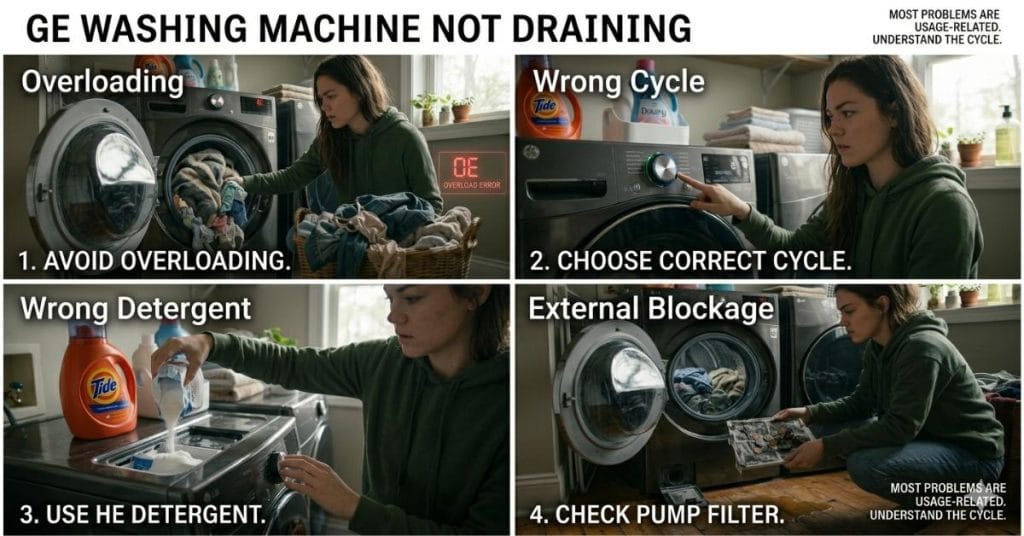
One of the most common complaints is that GE washing machines won’t drain. Although users may think it’s a mechanical problem, the cause is often related to usage.
Overloading, incorrect cycle selection, or using the wrong detergent can all affect the drain’s performance.
In some cases, the problem is external, such as a clogged pump or hose pipe. But many times, it’s related to how the machine is being used. Before attempting any repairs, it’s important to understand the behavior of the cycle.
When You Actually Need GE Washing Machine Repair
Not all problems require a technician. Many problems can be avoided with proper maintenance. However, you should consider having your GE washing machine repaired in the following cases:
- The machine consistently fails to spin
- Water leaks internally
- Electrical issues occur
- Error codes repeat even after fixing usage mistakes
The key is knowing the difference between user error and technical failure.
The Role of GE Washing Machine Parts in Performance
Every cycle depends on the proper functioning of internal components. Parts like motors, pumps, sensors, and control boards all play a role.
But the important thing is, most components don’t fail suddenly. They wear out due to improper use. For example:
- Overloading stresses the motor
- Ignoring drainage issues affects the pump
- Using the wrong detergent impacts sensors
Understanding cycles helps protect these components and extend the life of your machine.
The Hidden Connection Between Cycles and Errors
Most people consider washing machine cycles and error codes to be separate things. But they are not. Using the wrong cycle often results in errors:
- Overloading normal cycle → imbalance issues
- Using quick wash for heavy loads → poor drainage
- Wrong settings → sensor errors
Understanding cycles is not just about better washing—it’s about preventing problems before they happen.
Final Discus
A GE washing machine is designed to handle a variety of laundry needs. But its effectiveness depends entirely on how you use it.
The biggest mistake users make is treating all clothes the same. Different clothes, different amounts of laundry, and different levels of soil require different cycles.
When you understand your machine, you’ll stop reacting to problems and start preventing them.
If you want to go deeper and fully master how the modes of all brands of washing machines work, this detailed guide will help you build that foundation.