

If you’ve ever wondered, “Why is my GE washer taking so long?” while doing laundry, you’re not alone. GE washing machine cycle times are one of the most frequently searched questions online by many homeowners. Sometimes the washer finishes the job quickly, and other times it feels like it’s taking forever.
Understanding how long different cycles take—and why those times vary—can help you use your washer more efficiently and avoid unnecessary delays.
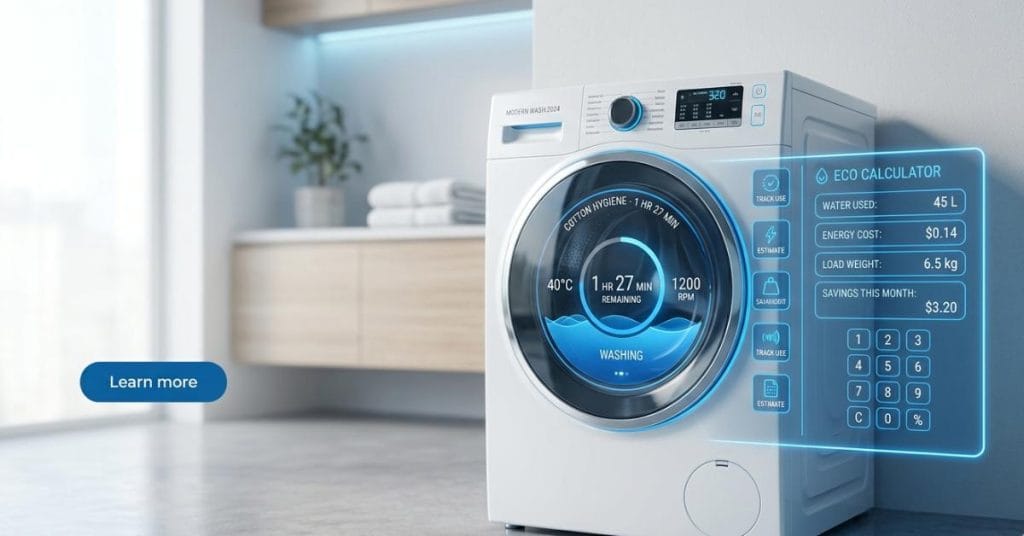
In this guide, we’ll discuss typical GE washer cycle times, factors that affect wash times, and effective solutions to reduce long cycles. If you’re looking for an estimated time for a specific load, you can also use the Washing Machine Cycle Time Calculator tool on our website, which helps you estimate wash times based on the size of the load and settings.
After completing this guide, you’ll have a good understanding of how GE washer cycles work and how to get the most out of them.
Understanding GE Washing Machine Cycle Times
Most GE washing machines have multiple cycle options for washing different types of fabrics. Each cycle has a specific purpose, and that purpose determines how long the washer will run.
Typically, GE washing machine cycle times range from about 20 minutes to over 2 hours, depending on the cycle selected and the condition of the fabric. For example:
- Quick wash cycles are designed for small loads and can finish quickly.
- Normal cycles handle everyday laundry and usually take longer.
- Heavy-duty cycles run the longest because they clean heavily soiled fabrics.
Because modern washing machines use sensors and efficiency-enhancing features, the actual cycle duration can be automatically changed during washing.

Typical GE Washing Machine Cycle Times
While the exact time varies by model, most GE washers follow roughly the same time frame for normal cycles.
Normal Wash Cycle
The Normal cycle is the most commonly used setting for everyday clothes like T-shirts, jeans, and socks.
On many GE washing machines, the Normal cycle takes about 45 to 60 minutes, depending on the water temperature, amount of laundry, and spin speed settings.
This cycle balances cleaning performance and energy savings, making it ideal for most fabrics.
If your washer seems to be taking longer than expected on this setting, it may be automatically adjusting based on the level of soiling or the amount of laundry.
Quick Wash Cycle
The Quick Wash cycle is designed for lightly soiled clothes and small loads.
Most Quick cycles finish in 15 to 40 minutes, although the exact time may vary depending on the washer model.
This cycle uses less water and agitates the clothes for less time, which helps reduce wash time.
However, the Quick Cycle should only be used when the clothes are lightly soiled. If you add extra clothes to the washer or wash very dirty clothes, the machine may automatically extend the cycle time.
Heavy Duty Cycle
The heavy-duty cycle is designed for items like towels, work clothes, and heavily soiled clothing.
This cycle typically runs for 60 minutes to 2 hours or more, as it uses vigorous agitation and a long wash cycle.
The heavy-duty cycle often uses hot water and a high spin speed to remove stubborn dirt and stains. Because of these additional cleaning steps, this cycle naturally takes longer than other options.
Delicate Cycle
The Delicate cycle is designed for fabrics like silk, lace, or lightweight fabrics.
Instead of vigorous agitation, this cycle uses a slower drum speed and a lower spin speed. Depending on the settings, the total wash time is usually between 40 and 60 minutes.
Although this cycle may seem slow, it actually protects delicate fabrics from damage.
Bulky or Bedding Cycle
If you are washing blankets, throws, or large bed sheets, it is recommended to use a special cycle for bulky fabrics.
These cycles can run for 60 to 90 minutes or longer, as the washer needs extra time to balance the heavy fabrics and ensure proper washing.
When washing a large load of clothes, the washer often rearranges the fabrics during the spin cycle, which can result in additional washing time.
Why GE Washer Cycle Times Change
Many users have noticed that the GE washing machine timer sometimes increases instead of decreases.
This can be confusing, but it usually happens because modern washers automatically adjust the cycle. Several factors affect the cycle time of a GE washing machine.
Load Size
The most common factor affecting the duration of a wash is the amount of laundry. Larger loads require more water and longer agitating times to properly clean.
If the washer senses a larger load, it may increase the wash cycle time to ensure that the clothes are thoroughly washed.
Soil Level
Another important factor is how dirty the clothes are. Heavier clothes take longer to wash and clean.
Some GE washers have sensors that detect the level of dirt and automatically increase the wash time.
Water Temperature
Water temperature also affects wash times.
Cold water often takes longer, as the washer needs extra time to dissolve the detergent and effectively remove stains. In some cases, a hot water cycle may finish a little faster.
Spin Speed
High spin speeds help remove water from clothes quickly.
However, if the washer detects an unbalanced mix of clothes, it may reduce the spin speed or rerun the spin cycle to avoid damage. In this case, the washer may add a few extra minutes to the total cycle time.
Additional Options
Many GE washers allow users to add features such as:
- Extra rinse
- Pre-wash
- Deep fill
- Sanitize mode
While these options improve cleaning performance, they can significantly increase total wash time.
Why Your GE Washing Machine Takes Too Long
Many homeowners search for “GE washing machine cycle time” because they feel like their washer is taking too long.
In most cases, the machine operates normally. However, certain problems can cause the wash cycle to be unusually long.
Overloading the Washer
Overloading is one of the main reasons why the washing machine takes longer. When the washer drum is overfilled with clothes, the machine struggles to balance the clothes during spinning.
This forces the washer to rearrange the clothes repeatedly, which increases the cycle time.
Low Water Pressure
Low water pressure can slow down the filling process. If the washer takes longer to fill, the cycle will automatically run longer.
This is often caused by a partially closed valve or a clogged inlet filter.
Drainage Problems
If the water is not draining properly, the washer may stall or repeat part of the cycle. A clogged drain hose or pump filter is a common cause of this problem.
Sensor Adjustments
Modern GE washers use sensors to improve washing performance. These sensors measure things like the weight of the clothes, the water level, and the amount of dirt.
If the washer detects that the clothes are still dirty or unbalanced, it can automatically extend the cycle time.
How to Reduce GE Washing Machine Cycle Times
GE washing machines are known for their efficiency, but many users are frustrated when the wash cycle takes longer than expected. A typical GE wash cycle takes 45 to 75 minutes, but heavy-duty cycles can take more than 90 minutes, depending on the settings and amount of laundry. The good news is that most delays are not due to machine malfunctions, but rather user habits, so you can reduce cycle times with a few smart changes.
Don’t Overload the Drum
One of the main reasons your GE washer is taking a long time is overloading. When the drum is full of clothes, the clothes can’t move freely, and the machine can’t clean and wash properly. This often results in the need for an extra rinse cycle or a longer spin time. Loading slightly fewer clothes than the capacity allows for better water circulation and allows the washer to complete the cycle faster.
Use the Right Cycle for the Job
Many people use the “Normal” or “Heavy” cycle for every load, which wastes time. GE washers have multiple cycles designed for specific needs. For lightly soiled clothes, switching to the Quick Wash cycle can cut wash time to just 15-30 minutes. Heavy cycles should only be used for bulky items like towels or bedding.
Adjust Load Size and Soil Level
GE washers use smart sensors to detect the amount of laundry and the level of dirt. The cycle time is automatically increased for heavier or more soiled laundry. If you want to wash clothes faster, you can divide a large load into smaller ones. Smaller loads not only finish the wash faster, but they also increase cleaning efficiency.
Reduce Detergent Overuse
Using too much detergent can slow down your washer. Extra soap creates more suds, which causes the machine to have to rinse several times. This increases the total wash time, but does not improve the results. Use only the recommended amount of high-efficiency (HE) detergent to avoid unnecessary delays.
Choose Optimal Water Temperature
Water temperature plays a big role in cycle time. Hot water cycles often take longer because the machine needs time to heat the water. If your clothes aren’t very dirty, using cold or warm water can significantly reduce cycle time while still cleaning effectively.
Prevent Unbalanced Loads
An unbalanced load can silently increase the time of your washing cycle. When clothes accumulate on one side of the drum, the washer stops to rearrange them before spinning. This process can repeat multiple times, which adds a few extra minutes. Mixing large and small items helps maintain balance and ensures a smooth and fast cycle.
Understand GE Smart Features
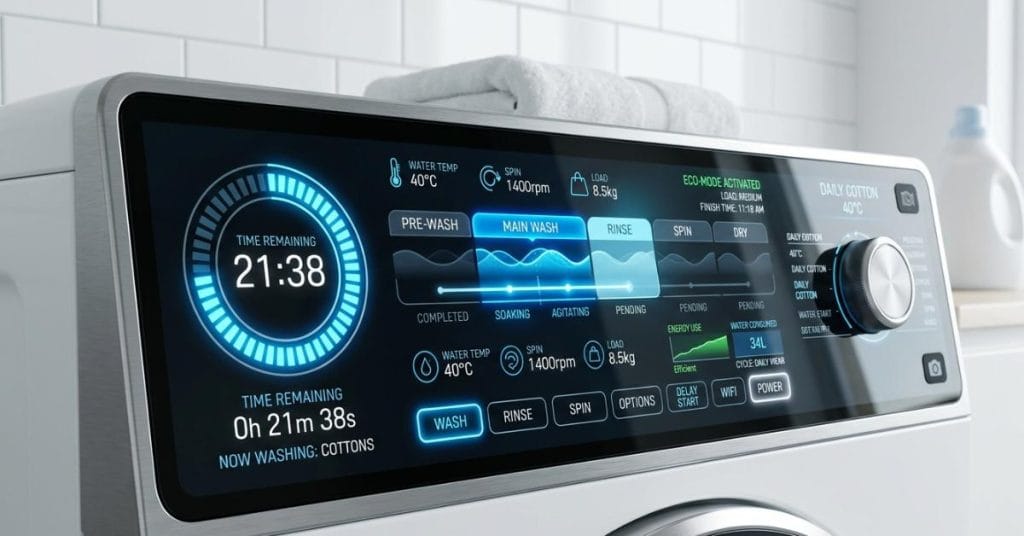
Modern GE washers automatically adjust cycle times based on conditions such as the amount of laundry, type of fabric, and water level. While this can make cycles seem unpredictable, it actually improves performance and fabric care. Instead of forcing a shorter cycle, using these features—such as selecting the right settings—can help you get faster, better results.
Estimating Wash Time Before Starting a Cycle
Many people want to know exactly how long it will take before they turn on the washing machine.
Unfortunately, washing machines adjust their cycles on their own, so the time displayed is often just an estimate.
That’s why many homeowners use a washing machine cycle time calculator to get an estimate of how long it will take to wash their clothes.
These tools analyze common factors such as:
- Load size
- Water temperature
- Fabric type
- Cycle selection
By entering these details, you can get a much more accurate idea of your washer’s total cycle time. If you’re unsure about how long it will take to wash your clothes, our calculator can help you plan your laundry more efficiently.
Frequently Asked Questions About GE Washing Machine Cycle Times
How long does a GE washer normal cycle take?
A typical cycle usually takes about 45 minutes, although it can range from 40 to 60 minutes depending on the amount of load and settings.
What is the fastest cycle on a GE washing machine?
The fastest option is the Quick Wash cycle, which can be completed in 15 to 40 minutes for a small load of laundry.
Why does my GE washer add time during a cycle?
Modern washing machines use sensors to detect the balance of the clothes and the level of dirt. If the machine detects uneven washing or excessive dirt, it can automatically extend the cycle time.
Is it normal for a wash cycle to take over an hour?
Yes. Heavy or bulky laundry cycles often run for 60 to 120 minutes, as they require more vigorous agitation and additional washing.
Final conditions
Understanding GE washing machine cycle times can help you choose the right settings and avoid unnecessary delays.
While the Quick Wash cycle can finish in less than 40 minutes, the Normal cycle typically takes about an hour, and the Heavy-Duty cycle can take longer.
The key to washing clothes quickly is choosing the right cycle, distributing the load correctly, and maintaining your washer regularly.
If you want to estimate your washing time more accurately, you can use the Washing Machine Cycle Time Calculator on our website to estimate how long it will take to wash your next load.