

If you’ve ever started a load of laundry and wondered how long it would take to finish, you’re not alone. One of the most common questions homeowners ask is, “How long does a washing machine cycle last?”
The answer depends on the type of cycle, washer model, amount of laundry, and settings selected. Typically, a washing machine cycle can run from 15 minutes to more than 3 hours. The Quick Wash cycle can finish in just 15 to 30 minutes, while the Sanitize and Heavy Duty cycles can take 2 to 3 hours or more.
Understanding why cycle times vary can help you choose the right settings, save energy, and avoid unnecessary delays in your laundry.
Understanding Washing Machine Cycle Times
Modern washing machines are much more advanced than older models. Instead of just filling the machine with water and spinning it for a set amount of time, today’s washers use sensors, load detection technology, and energy-efficient wash programs to determine the most effective cleaning process.
As a result, the cycle time displayed is often only an estimate. Depending on the size of the load, water temperature, drum balance, and cycle options selected, your washer may increase or decrease the wash time.
This is why two loads of clothes may finish washing in the same cycle at different times.

Average Washing Machine Cycle Length
The average cycle time for a typical load of washing machines is usually between 45 and 75 minutes. However, the exact duration depends on the wash cycle selected.
A Quick Wash cycle usually takes 15 to 40 minutes and is designed for lightly soiled clothes. A Normal cycle usually takes 50 to 70 minutes and is suitable for everyday laundry. A Heavy Duty cycle often takes 90 to 120 minutes because it is designed for heavily soiled clothes. A Sanitize cycle can take anywhere from 90 minutes to 3 hours, as the washer has to maintain high water temperatures for a long period of time.
While these times are general averages, the time varies for each washer model.
How Long Is a Normal Washing Machine Cycle?
The Normal cycle is the most commonly used setting in most households. It is designed to balance cleaning power, water usage, and energy efficiency.
Most Normal cycles take 50 to 70 minutes to complete. This cycle is suitable for shirts, jeans, socks, and other general fabrics that are not heavily stained.
Since the Normal cycle provides a good balance between cleaning power and performance, it is considered the best option for washing most fabrics.
How Long Is a Quick Wash Cycle?
When you’re short on time, the Quick Wash cycle can be a great help.
Most Quick Wash cycles last between 15 and 40 minutes. These cycles are designed for small loads and lightly soiled garments that only need a quick clean.
Quick Wash settings typically use a shorter wash time and a faster spin speed to reduce the total cycle time. While they save time and energy, they are not suitable for heavily stained clothing, towels, or bed linens that need a more thorough cleaning.
How Long Is a Heavy Duty Wash Cycle?
Heavy-duty cycles are designed to wash tough fabrics. This setting is often more effective for work uniforms, sportswear, heavily stained clothing, and durable fabrics.
Because the washer agitates the clothes for a longer period of time, provides extra washing, and cleans more vigorously, the heavy-duty cycle typically takes 90 to 120 minutes.
On some models, additional options may take longer. Although this cycle takes longer, it often removes stains better than a shorter wash program.
How Long Is a Sanitize Cycle?
The Sanitize cycle is one of the longest wash programs available on modern washing machines.
Most Sanitize cycles last from 90 minutes to 3 hours. This long period of time is necessary because the washer needs to maintain a high water temperature, which helps reduce bacteria and germs on fabrics.
Many homeowners use the Sanitize setting for towels, bed linens, children’s clothing, and items used during illness. While effective, Sanitize cycles use more energy than regular wash settings due to the additional water heating required.
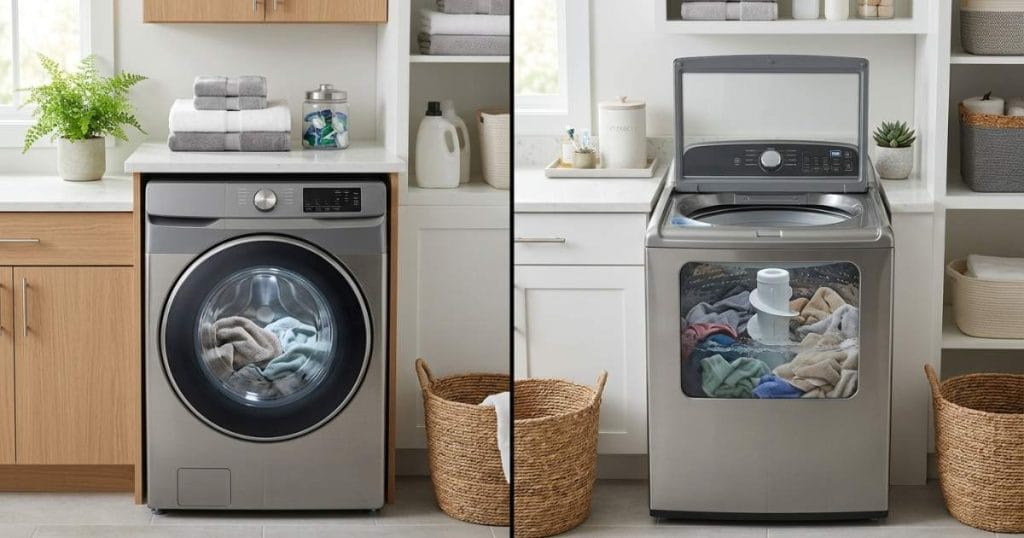
Front Load vs Top Load Washing Machine Cycle Time
The type of washer you have can significantly affect the cycle time.
Front-load washers typically have longer cycle times. Many front-load models have a standard cycle that takes 60 to 120 minutes, as they use less water and rely on the tumbling action to clean clothes efficiently.
Top-load washers are often a bit faster. Standard cycles are usually between 40 and 75 minutes, depending on the model and options selected.
While front-load washers may take longer, they often provide better water efficiency and are more gentle on fabrics.
Why Does My Washing Machine Cycle Take So Long?
Many people are frustrated when a cycle takes longer than expected. In most cases, the washer is working normally.
Modern washing machines use load-sensing technology to determine how much water and how long it needs to wash. If the machine detects a heavier load than expected, it can automatically extend the cycle time.
Unbalanced laundry can also increase wash time. When clothes accumulate on one side of the drum, the washer may stop repeatedly to redistribute the load before spinning. Low water pressure, excess detergent, and extra rinse options can also increase cycle time.
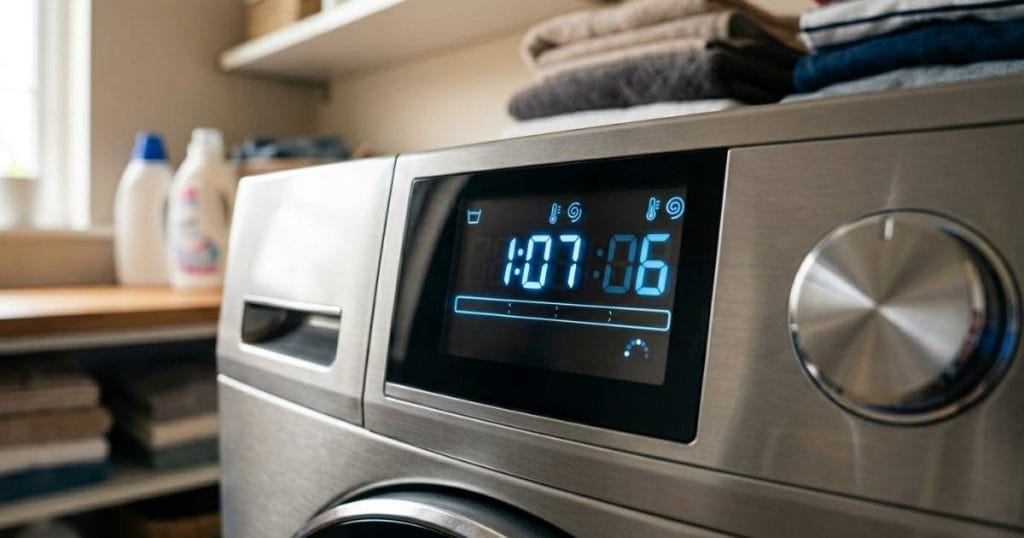
Why Does the Displayed Time Keep Changing?
One of the most common concerns among homeowners is seeing the cycle timer suddenly jump from 30 minutes to 45 minutes or more.
This behavior is normal for many modern washers. The machine continuously monitors the condition of the load throughout the cycle and adjusts the remaining time accordingly.
If the washer detects that additional washing is needed or if there is a balancing problem, the cycle time may increase. Similarly, if conditions are favorable, the machine may finish the job earlier than initially estimated.
The displayed time should be viewed as a variable estimate, not a fixed countdown.
Factors That Affect Washing Machine Cycle Duration
How long a washer cycle will take depends on several factors. The amount of laundry is one of the most important factors. Larger loads require more water, longer wash times, and additional balancing time.
Water temperature also affects cycle duration. Hot water settings can take longer to heat up, especially on energy-efficient washers. Cycle options like Extra Rinse, Pre-Soak, Deep Fill, and Wrinkle Prevention can add significant time to the overall wash process.
Even the amount of detergent used is an important consideration. Using too much detergent can create excess suds, which forces the washer to run an extra rinse cycle.
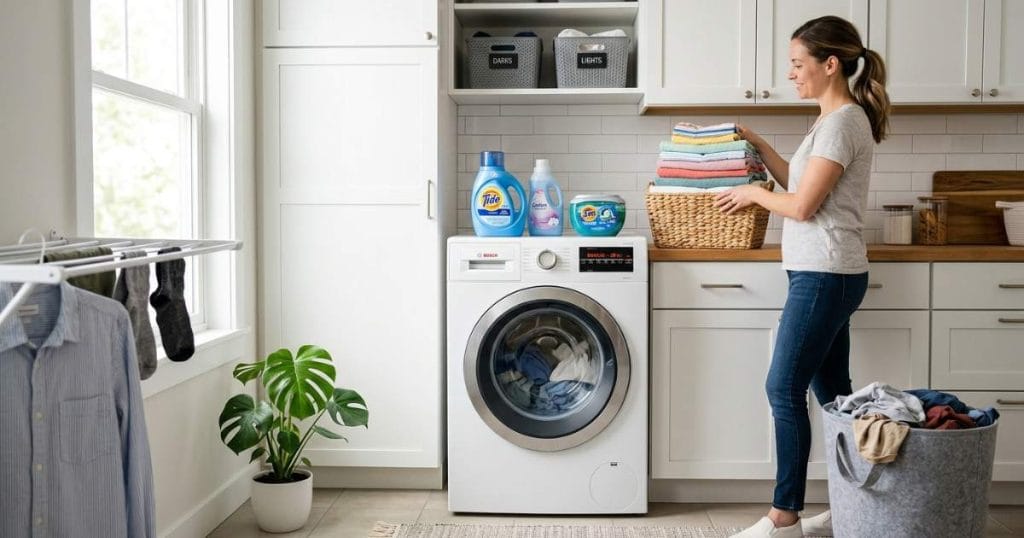
How to Reduce Washing Machine Cycle Time
If you want faster laundry results, a few simple changes can help.
The first step is to use the correct cycle for the amount of laundry. Many people choose the Heavy Duty or Sanitize cycle when the Normal or Quick Wash setting would have worked perfectly.
By keeping the load of laundry to a minimum, rather than overloading the drum, the machine can work more efficiently. Using the correct amount of detergent can help avoid unnecessary rinse cycles, which can increase wash times.
Avoid selecting extra options unless necessary. Features like Extra Rinse and Pre-Soak often significantly increase cycle times.
Are Longer Wash Cycles Better?
Many homeowners believe that a longer cycle automatically cleans better. While a longer cycle can help remove stains and improve hygiene, it is not always necessary.
For lightly soiled clothes, the Quick Wash or Normal cycle often produces excellent results using less energy and water.
The best cycle depends on the type of clothes being washed. Choosing the right cycle is usually the most effective approach, rather than simply choosing the longest cycle.
Common Washing Machine Cycle Time Mistakes
A common mistake is to overload the washer. Overloading the washer can hinder the movement of the clothes and force the machine to run longer cycles.
Another mistake is to use too much detergent. Excess suds can increase the washing time and reduce overall efficiency.
Many homeowners choose heavy-duty settings for normal clothes, which can make washing time unnecessarily long and use more energy. Understanding how the different cycles work can help you avoid these problems.
Final Thoughts
So, how long does a washing machine cycle last? The answer depends on the cycle you choose, the type of washer you have, and the condition of each load. Most washing machine cycles last between 45 and 75 minutes, while the Quick Wash cycle can finish in just 15 minutes and the Sanitize cycle can take over 3 hours.
Rather than focusing solely on speed, choose the cycle that best suits your laundry needs. By understanding washing machine cycle time and the factors that affect it, you can increase cleaning efficiency, reduce energy use, and make your laundry day much more efficient.