
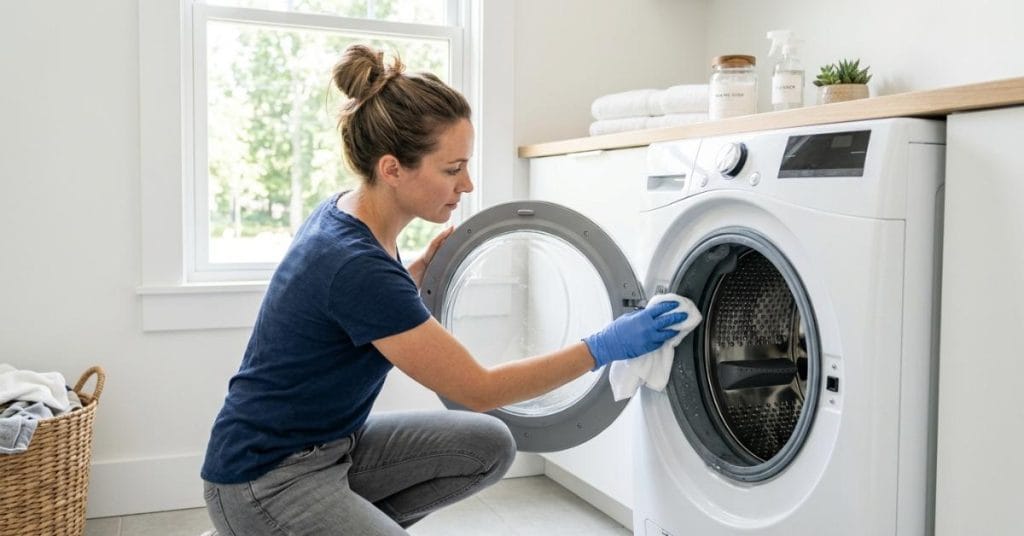
If your clothes aren’t smelling as fresh as you’d expect after a full wash cycle, the real problem could be your washing machine.
As strange as it may sound, this is one of the most common problems people face. You rely on your washer to clean your clothes, but over time, it silently builds up detergent residue, mineral deposits, mold, and bacteria. This starts to contaminate your clothes instead of cleaning them.
This guide is not just a simple tutorial on how to clean your washing machine. It’s a complete and researched analysis of why your washer gets dirty, how to properly deep clean it, what mistakes to avoid, and how to keep it clean in the long run.
Why Your Washing Machine Gets Dirty
Most people think that because they use detergent regularly, their washing machine is already clean. This is a misconception and is the root cause of the problem.
After each wash, small amounts of detergent, fabric softener, dirt particles, and hard water minerals remain in the machine. Over time, these substances accumulate inside the drum, pipes, rubber seals, and detergent drawer.
Especially in humid environments, this accumulated substance creates a favorable environment for mold and bacteria to grow.
Front-load machines are even more vulnerable, as moisture gets trapped inside their rubber gaskets. If the door is closed after a wash, that moisture does not evaporate and turns into a bad smell.
This is why your washer may start to:
- Smell musty or sour
- Leave the odor on freshly washed clothes
- Take longer to complete cycles
- Show performance issues or even error codes
At this stage, a quick rinse won’t fix the problem. You need a proper deep cleaning process.
How Often Should You Clean Your Washing Machine?
- There is no universal solution, but here are some that are effective based on actual usage.
- If you use your washing machine regularly (3-5 times a week), a thorough cleaning once a month is enough.
- If you live in an area with hard water or use a lot of detergent, you may need to clean it every 2-3 weeks.
- And if you already notice a bad smell or dirt residue, don’t wait and clean it immediately.
- Ignoring it doesn’t just affect cleanliness. It can also damage the inside of the machine and require expensive repairs.
Step-by-Step: How to Clean a Washing Machine Properly
Let’s break down the process in a way that actually works in real life.
Step 1: Clean the Drum (The Core Area)
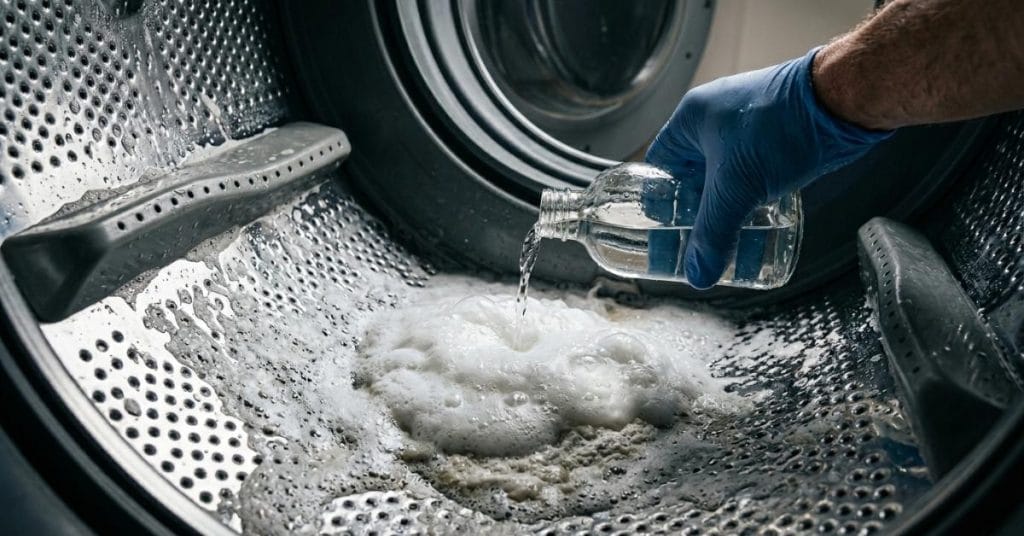
Start inside the washing machine drum. Rinse once with plain hot water and add white vinegar or a cleaner specifically made for washing machines. Vinegar helps dissolve detergent residue and naturally kills bacteria.
When the cycle is finished, sprinkle baking soda inside the drum and run it again with hot water for a short time. This removes built-up odors and adds freshness. This two-step method is much more effective than using just one cleaner.
Step 2: Focus on the Rubber Gasket (Most Ignored Area)
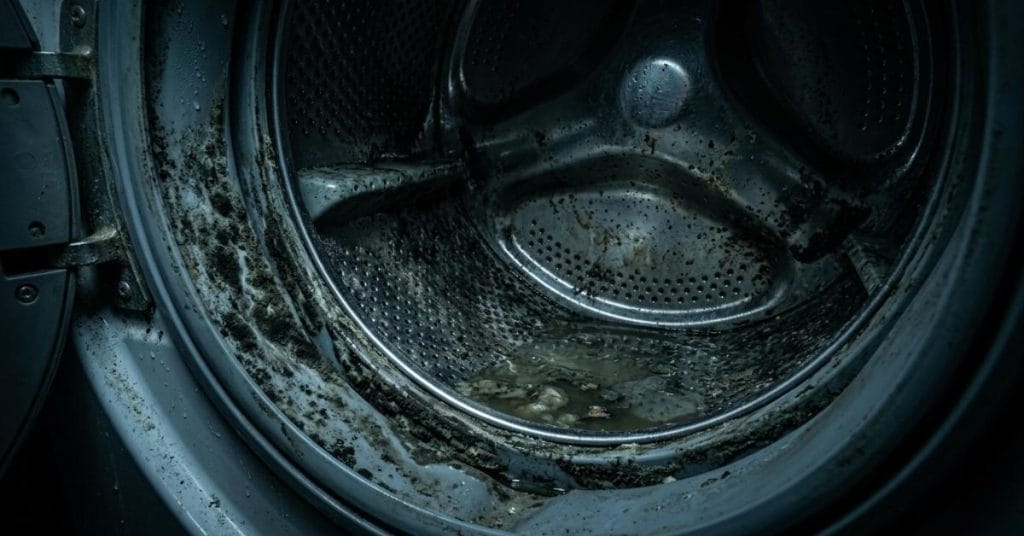
This is where most people make a mistake. Open the door and carefully inspect the rubber seal. You will often see a layer of black fungus or moss inside its folds.
Wipe the entire gasket thoroughly with a cloth soaked in vinegar or a mild cleaner. Use a soft brush for stubborn fungus. If you skip this step, your washing machine will continue to smell bad no matter what you do.
Step 3: Clean the Detergent Drawer
Remove the detergent drawer and wash it with hot water. Over time, detergent can build up and clog the flow, reducing washing efficiency. Rub off any excess dirt and dry it completely before replacing it.
Step 4: Don’t Forget the Filter
Many people don’t know that their washing machine has a filter. This filter collects lint, dirt, and debris. If it’s clogged, your washer may drain slowly or display an error code.
Locate the filter (it’s usually under the front panel), carefully remove it, and clean out any debris. If you’ve ever looked up a washing machine error code, you’ll find that many problems are directly related to a clogged filter.
Step 5: Wipe the Exterior and Control Panel
It may seem like a small thing, but it’s important. Dust and detergent spills can damage the buttons and sensors over time. Use a soft cloth to clean the exterior and control panel regularly.
Common Mistakes That Make Your Washing Machine Dirtier
This is where most people unknowingly make things worse. The biggest mistake is using too much detergent. More detergent doesn’t mean that the clothes will be cleaner, but it creates more dirt inside the machine.
Closing the door immediately after washing clothes is another problem. This traps moisture, which leads to mold growth. Waiting until the odor comes out instead of cleaning regularly makes the problem harder to fix.
And finally, ignoring minor problems with the machine, such as washing for a long time or unusual noises, can lead to bigger problems.
Front Load vs Top Load: Cleaning Differences You Should Know
Front-load machines require more attention, especially around the gaskets and door. On the other hand, top-load machines are less prone to mold, but detergent and mineral deposits build up inside the drum.
The cleaning process is similar, but front-loaders require more consistency.
How to Keep Your Washing Machine Clean (Without Extra Effort)
- Once you’ve thoroughly cleaned your washer, the goal is to keep it that way.
- Leave the door slightly open after each wash. This allows moisture to evaporate.
- Use the correct amount of detergent. Check the label, don’t guess.
- Run a cleaning cycle once a month, even if everything seems fine.
- And most importantly, pay attention to early signs like odors or slowness.
Real Problems People Face (And How This Guide Solves Them)
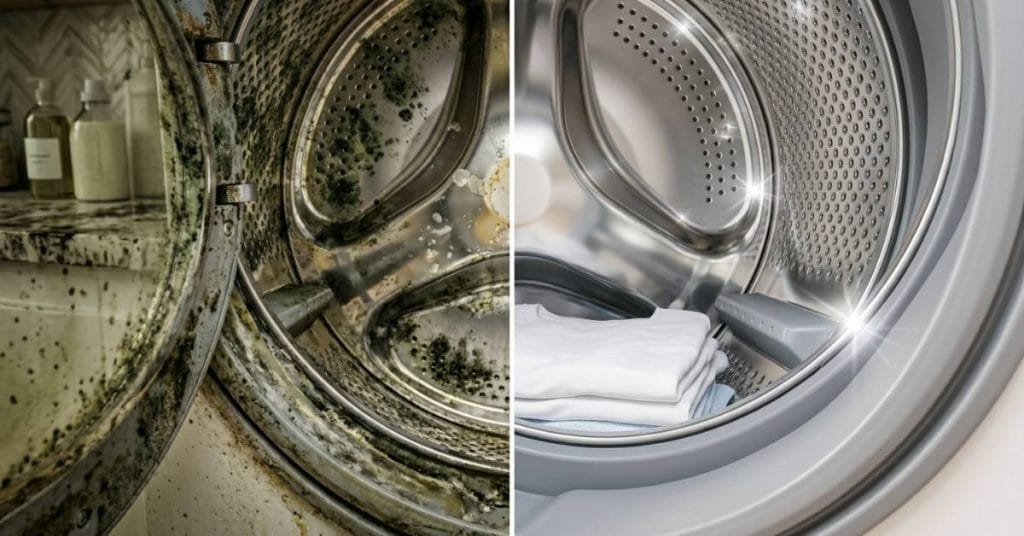
Many users complain that their clothes smell worse after washing. This is usually due to mold or fungus building up inside the drum or gasket.
Others notice that their washing machine’s cycle time is constantly increasing. This could be due to dirt building up inside the machine, reducing its efficiency.
Some even experience error codes or water drainage issues, the root cause of which is often a dirty filter. If you are experiencing any of these issues, it is not optional to clean your washing machine properly; it is essential.
Use Smart Tools to Diagnose Problems Faster
Cleaning alone doesn’t always solve the underlying problem. Sometimes, your washing machine still displays error codes or behaves abnormally after cleaning. In that case, using diagnostic tools can save you time.
Our website already has some helpful tools that can help users identify things like error codes or cycle problems. Instead of blindly guessing at the problem, these tools make troubleshooting much easier.
If your washer still isn’t working properly after cleaning, using these tools is a good way to pinpoint the problem.
Don’t Wait Until It’s Too Late
Most people only think about cleaning their washing machine when they have a problem. This process takes a lot of time, effort, and sometimes money.
If you follow the steps in this guide consistently, you will not only solve problems but also prevent them altogether.
A clean washing machine means fresher clothes, improved performance, and a longer lifespan for your machine.