
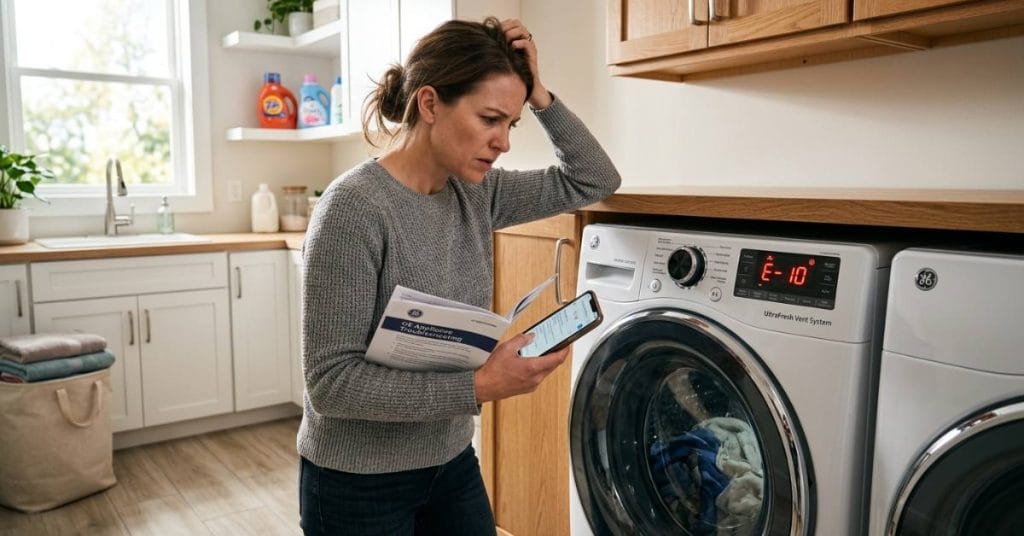
The washing machine is one of the most used appliances in any home, so when it suddenly stops working, the problem quickly becomes frustrating. Many homeowners panic when their GE washer won’t turn on, won’t drain, gets stuck halfway through, or shows a mysterious error code on the display. The good news is that many of these problems are more common than people realize, and in many cases, they can be fixed without having to call a technician right away.
This complete GE washing machine troubleshooting guide is designed to help users understand the most common GE washer problems, their causes, and how to safely resolve them. Whether you’re struggling with a drain problem, spinning issues, unusual noises, or GE washer error codes, this guide explains everything simply and practically.
Modern GE washers have advanced sensors, electronic controls, and safety systems. While these features increase efficiency, they can also create confusion when something goes wrong. Even a simple imbalance problem can sometimes generate an error code that causes the machine to shut down completely. In other cases, a power outage, clogged filters, or too much laundry in the drum can cause the washer to behave unexpectedly.
Understanding how your GE washer works is the first step to properly troubleshooting it.
Why GE Washers Commonly Develop Problems
Most washing machine problems don’t happen overnight. Small problems often grow gradually and eventually cause a wash cycle to fail. Many GE washer troubleshooting situations are related to maintenance habits, detergent misuse, overloading, or a clogged drainage system.
A common problem is using too much detergent. High-efficiency (HE) GE washers are designed to operate with a small amount of HE detergent. Using too much soap creates excess suds, which can affect sensors and prevent proper draining or spinning. Many users mistake this for a serious mechanical fault when it’s actually a detergent-related problem.
Another major cause is overloading. Washing large blankets, towels, or heavy clothing beyond the washer’s capacity puts strain on the motor, suspension system, and spin mechanism. Over time, this can lead to vibration problems, imbalance, or failure of the spin cycle.
Drainage problems are also very common. Coins, lint, hair, and dirt can gradually clog the drain pump filter or hose pipe. When water cannot drain properly, the washer may stop mid-cycle or display an error message.
GE Washer Won’t Start
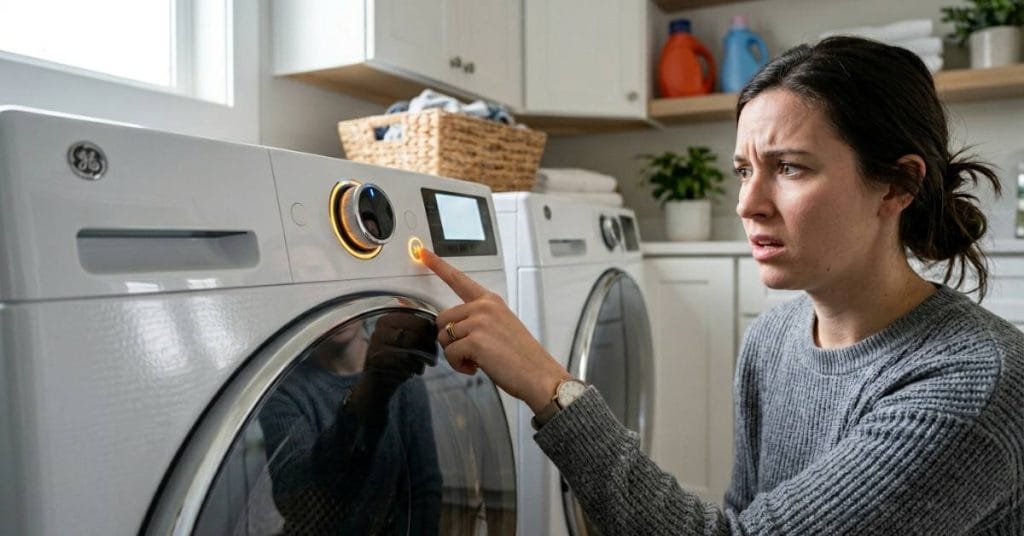
One of the most sought-after GE washer troubleshooting issues is when the machine won’t turn on at all. This problem can be caused by a variety of reasons.
Sometimes the problem can be as simple as a loose power connection or a tripped circuit breaker. Other times, the lid locking system may not be working properly. Most modern GE washers have a safety feature that prevents the machine from starting if the door or lid is not properly locked.
In some cases, users accidentally turn on the control lock feature, which completely disables the control panel. Many people assume that the washer is broken even if the controls are simply locked.
A faulty start button, damaged control board, or wiring problem can also prevent the machine from turning on. Before assuming that there is a major fault, users should unplug the washer for a few minutes and then turn it on again. This simple reset often clears up temporary electrical faults.
How to Reset a GE Washer
Many GE washer problems can be resolved with a simple reset. It’s important to know how to reset a GE washer because the electronic control board sometimes becomes unresponsive or malfunctions after a power outage or cycle failure.
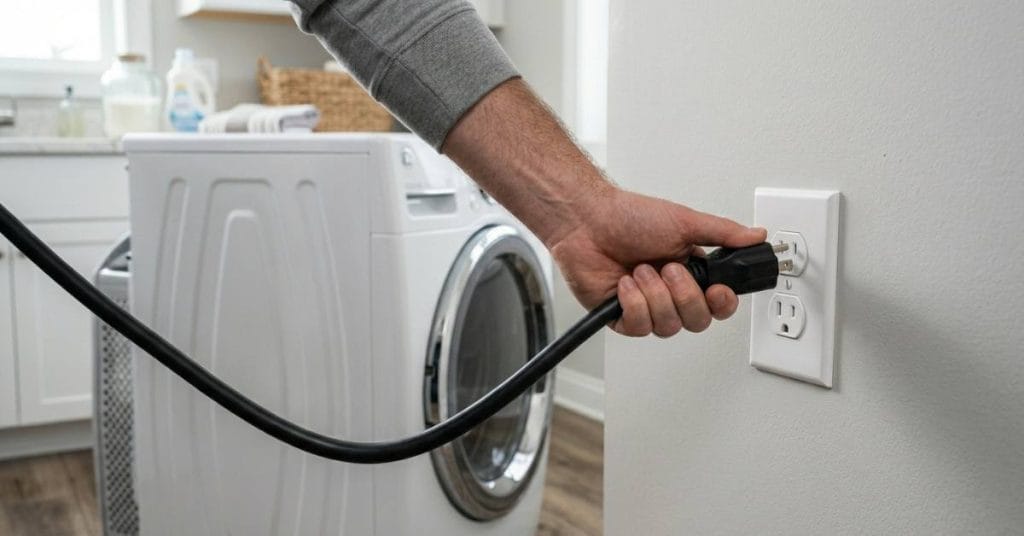
The easiest reset method is to unplug the washing machine from the power outlet for about two minutes. After reconnecting the power, users should open and close the lid several times before starting a new cycle.
Some GE models use specific reset methods, depending on the type of washer. On certain top-load models, rotating the cycle selector knob in a specific pattern may activate the diagnostic reset mode.
Resetting does not repair damaged components, but it often clears up software-related issues, temporary sensor errors, and communication failures between components.
GE Washer Not Draining Properly
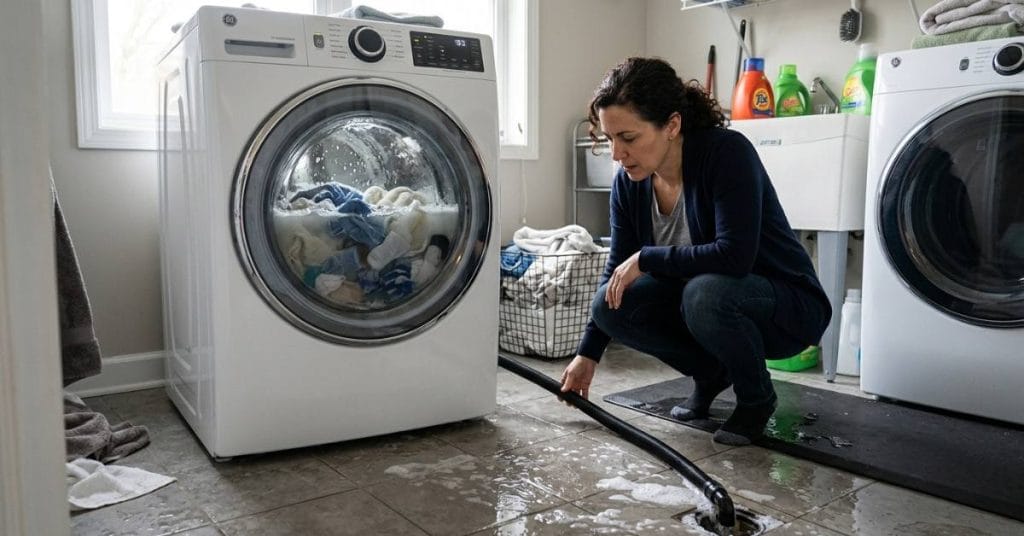
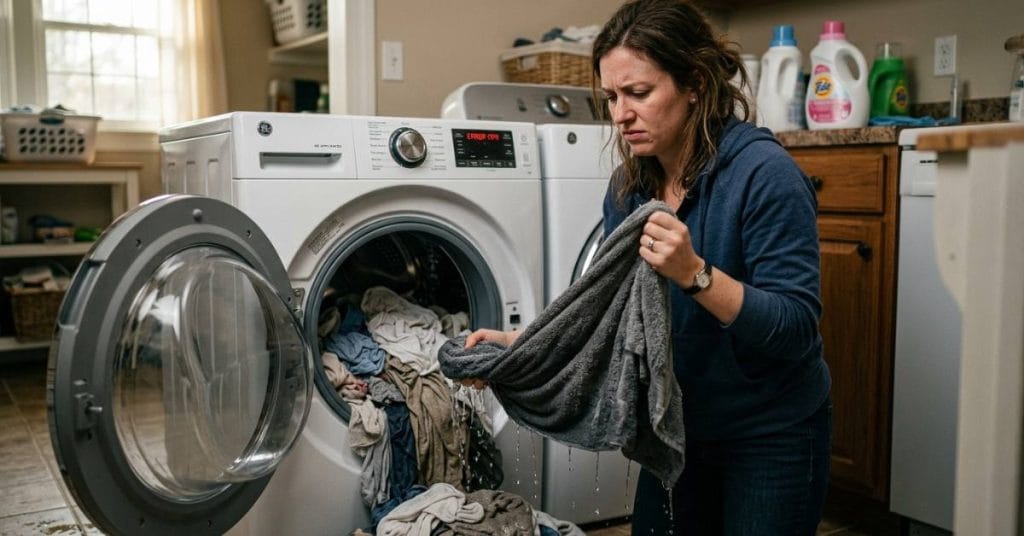
GE washers that won’t drain are one of the most frustrating problems for homeowners. Water buildup inside the drum prevents the washer from spinning, leaving clothes soaking wet and wrinkling.
The most common cause is a clogged drain pump filter or drain hose. Small objects like socks, coins, lint, or hair can block the flow of water and prevent proper drainage.
Another possible problem is a damaged drain pump. If the washer is humming but no water is draining from the drum, the pump motor may be damaged.
Users should also check the drain hose at the back of the machine. If the hose is kinked or installed incorrectly, it can cause drainage problems that can make the pump look like it’s failing.
Ignoring drain problems for a long time can eventually damage other components, as the trapped water puts additional pressure on the washer system.
GE Washer Not Spinning
The washing machine fills and drains, but won’t spin, which is also a very common problem.
In many cases, this problem is caused by an unbalanced load. GE washing machines have safety sensors that stop spinning if the load becomes unbalanced. Large blankets or towels often cause this problem.
Spinning can also stop if the lid lock is not working, because it can’t verify that the washing machine is operating safely. If the lid lock mechanism is not working properly, the machine may stop or cancel the spin cycle altogether.
Spinning can also stop if the drive belt is worn, the motor is damaged, or the motor coupling is faulty. These problems usually cause unusual noises or a weak drum movement before they lead to complete failure.
Understanding GE Washer Error Codes
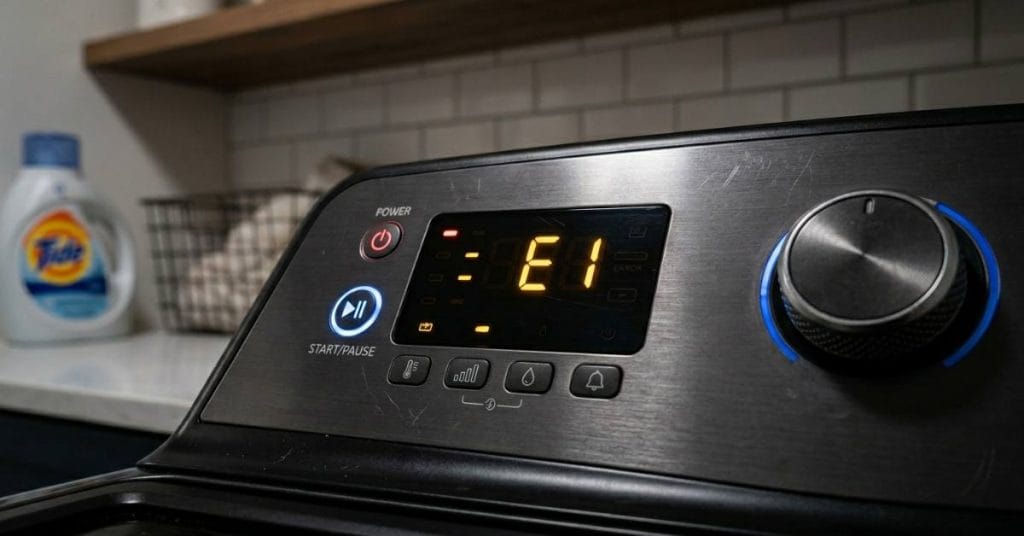
Modern washers report problems through a diagnostic system. GE washer error codes help users quickly identify problems, but many homeowners find these codes confusing.
Some common GE washer error codes include Drain Error, Lid Lock Fault, Motor Communication Failure, and Balance Detection Warning. These codes don’t come up randomly—they’re designed to point to specific problems with the system.
For example, drain-related fault codes often indicate a pump restriction or a hose pipe obstruction. Lid lock codes usually indicate a sensor or latch problem. Motor-related codes can indicate overheating, wiring errors, or excessive pressure on the load.
Understanding these codes can save time and avoid unnecessary repairs. Instead of guessing, users can immediately identify the location of a potential problem.
Washley’s washing machine error code tools can also help users quickly understand fault codes and troubleshoot more accurately, without wasting hours on manual troubleshooting.
GE Washer Making Loud Noise
Unusual noises while the machine is running usually indicate mechanical stress or worn parts.
A grinding sound can indicate damaged bearings or a foreign object stuck inside the drum. Loud knocking noises during the spin cycle are often caused by an imbalance problem or worn suspension rods.
A clicking sound can be caused by the lid lock system repeatedly engaging and disengaging. A sharp squeaking noise can sometimes indicate a worn belt or pulley problem.
Many users ignore changes in noise until the washer stops working completely, but these unusual noises are often early warning signs of a major mechanical problem developing inside the machine.
GE Dryer Troubleshooting Problems
People looking for GE washer troubleshooting often also experience dryer problems. Many laundry problems occur together, as both washers and dryers wear out over time in similar ways.
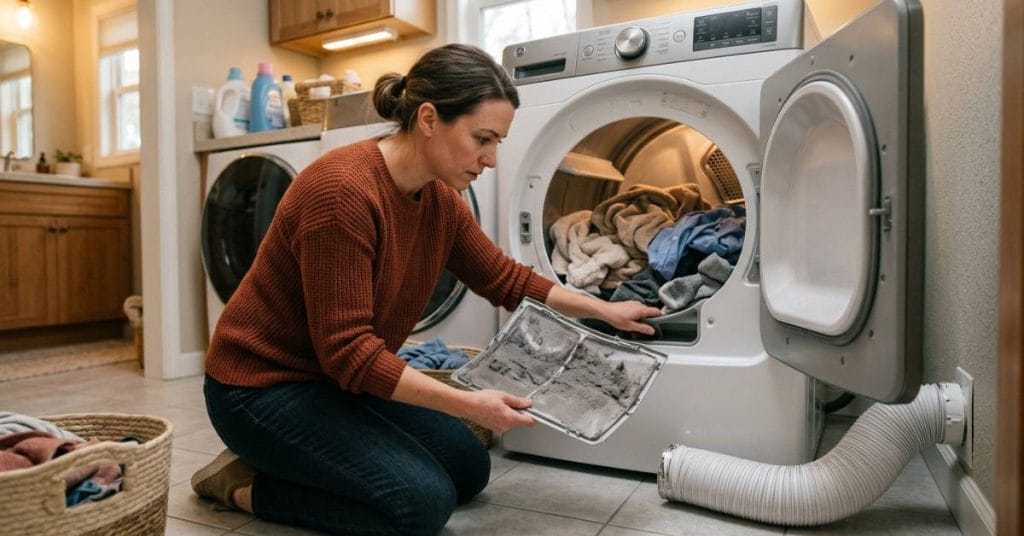
If a GE dryer is not heating properly, it could be due to airflow obstructions, blocked vents, a blown thermal fuse, or a problem with the heating element. Insufficient airflow is one of the leading causes of inefficient drying.
If clothes are taking too long to dry, users should immediately check the vents and filters for lint buildup. Not only does airflow obstruction reduce efficiency, but it can also pose a fire hazard.
Some dryers can also stop spinning due to a broken belt or a faulty door switch. Homeowners can more effectively troubleshoot both appliances by being aware of these common problems.
Preventing Future GE Washer Problems
The best way to solve problems is prevention. Many common GE washer problems can be avoided by regular maintenance and developing good laundry habits.
Regularly cleaning the drain filter helps prevent blockages and drainage problems. Avoiding overloading reduces stress on the motor and suspension system. Using the correct amount of HE detergent can help prevent excessive sudsing and sensor failure.
Leaving the washer door slightly open after use also helps reduce moisture buildup and mold growth inside the drum.
Small maintenance habits may seem insignificant, but over time, they significantly extend the life of the machine and reduce repair costs.
Final Thoughts on GE Washing Machine Troubleshooting
While many GE washing machine problems may seem serious at first, a large portion are related to maintenance habits, clogged drains, imbalances, or temporary electrical faults.
Homeowners can save time, reduce frustration, and avoid unnecessary service costs by knowing common troubleshooting methods. Whether you’re dealing with a GE washer fault code, spin cycle failure, drain problem, or how to reset a GE washer, it’s much easier to fix the problem if you can identify the root cause early on.
Instead of guessing, using the right troubleshooting steps and diagnostic tools can help you quickly resolve the problem and keep your laundry running smoothly.